If your 2006 Ford Ranger won’t start or stalls unexpectedly, a faulty PCM may be the cause. Learn the symptoms, replacement steps, and why reprogramming the anti-theft system is critical to avoid a no-start condition.
Post
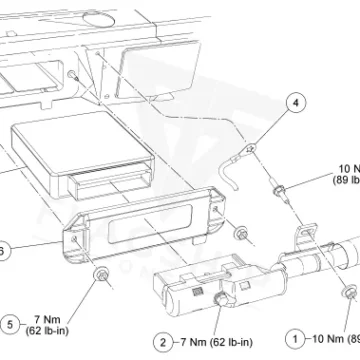

If your 2006 Ford Ranger won’t start or stalls unexpectedly, a faulty PCM may be the cause. Learn the symptoms, replacement steps, and why reprogramming the anti-theft system is critical to avoid a no-start condition.
2005 Ford Ranger with 2.3L engine may stall, misfire, or fail to start due to PCM/ECM failure. Learn symptoms, labor times, and why a VIN-programmed replacement unit simplifies repairs.
2004 Ford Ranger stalling or no-start? Learn PCM/ECM failure symptoms, replacement steps, and why a VIN-programmed unit saves time and avoids dealer trips.
2003 Ford Ranger with 2.3L engine may stall, misfire, or fail to start due to PCM/ECM failure. Learn symptoms, labor times, and why a pre-programmed replacement unit simplifies repairs.
2001 Ford Ranger losing power, stalling, or throwing codes? Learn how the PCM controls your engine, what replacement involves, and why programming matters for smooth operation.
If your 2000 Ford Ranger shows delayed shifts or slip at light throttle, beware PCM issues. Learn symptoms, TSB guidance, and repair steps for reliable performance.
If your 1999 Ford Ranger shows idle or MIL issues, learn the risks and steps to replace the PCM or ECM, avoid costly downtime and ensure proper programming.
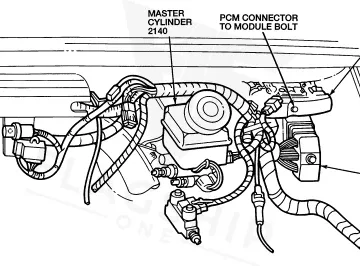
1997 Ford Ranger 2.3L may stall, misfire, or fail to start if the PCM fails. Learn symptoms, labor times, and why a pre-programmed replacement unit simplifies the repair.
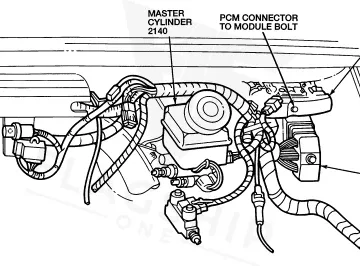
1996 Ford Ranger 2.3L showing misfires, stalling, or no-start? Learn PCM failure symptoms, replacement steps, and why a VIN-programmed unit saves hours of relearn procedures.
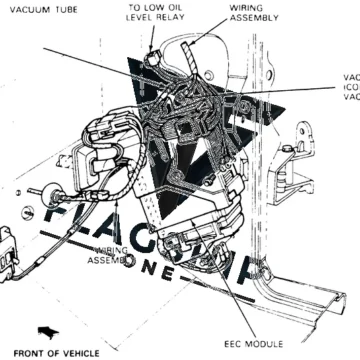
If your 1995 Ford Ranger 3.0L has no-start or stalling issues, the PCM may need replacement. Learn location, labor time, and programming requirements for a successful repair.