
Last updated on August 25th, 2026 at 01:37 pm
In the 2000 Ford Ranger the Powertrain Control Module (PCM) and Engine Control Module (ECM) serve as the vehicle’s electronic brain, managing engine timing, fuel delivery, and transmission shift strategy. When either unit fails, the engine may run rough, shift unpredictably, or refuse to start, and diagnostic trouble codes appear. These modules rely on accurate sensor data and precise calibration; any loss of communication or corrupted calibration can trigger the symptoms described in service bulletins for this model year.
Owners of a 2000 Ford Ranger may encounter a situation where the vehicle hesitates to shift or slips out of gear during light‑throttle driving. This behavior often points to the electronic control modules that coordinate engine and transmission actions. Understanding how the Powertrain Control Module (PCM) and Engine Control Module (ECM) function in this specific truck, what the factory recommends for replacement, and how a Flagship One replacement unit can simplify the process will help you make an informed decision. The following guide walks you through the basics of each module, typical failure signs, the required labor, and practical steps to keep your Ranger running smoothly after a repair.
2000 Ford Ranger
OEM programmed ECM for your 2000 Ford Ranger — plug & play, no dealer visit.
Free shipping · Lifetime warranty
The Powertrain Control Module in the 2000 Ford Ranger acts as the central processor for both engine and transmission commands, interpreting sensor inputs to adjust fuel injection, ignition timing, and shift points. It also stores calibration data that determines how the 4R44E transmission behaves under light‑throttle conditions. The Engine Control Module, while focused on engine management, shares data with the PCM to ensure coordinated operation. Together, they enable the truck to deliver power efficiently and shift reliably. When either unit loses its calibration or develops internal faults, the vehicle may exhibit delayed or slipping 1‑2 gear shifts, especially at low throttle. Maintaining proper function of these modules is essential for drivability and emissions compliance. For owners seeking a direct swap, replacement powertrain control modules for the 2000 Ford Ranger provide a ready‑made solution that matches the original specifications.
Both the PCM and ECM are located under the dash on the passenger side of the 2000 Ford Ranger, secured by bolts that typically require standard torque values. Removal begins by disconnecting the battery, then pulling the module out of its bracket, which usually takes about six‑tenths of an hour per unit according to the factory labor guide. Installation mirrors the removal steps, with the new unit placed into the same position and fastened with the original hardware. After both modules are installed, the technician proceeds with the relearn procedures, adding roughly five‑tenths of an hour for PCM relearn and another five‑tenths for ECM relearn. These steps ensure the new computers sync with the vehicle’s existing sensors and transmission control logic.
Work with the ignition off, and treat the module as static-sensitive: avoid touching the connector pins at any point.
| Operation | Configuration | Book Time |
|---|---|---|
| Powertrain Control Module R&R | All configurations | 0.6 hr |
| Powertrain Control Module Relearn | All configurations | 0.5 hr |
| Engine Control Module Relearn | All configurations | 0.5 hr |
| Engine Control Module R&R | All configurations | 0.6 hr |
Factory service procedures require a Powertrain Control Module relearn of 0.5 hours and an Engine Control Module relearn of 0.5 hours after each replacement. Flagship One supplies units that are already VIN‑programmed, so the technician can skip the on‑board calibration steps. This means the replacement can be completed with the standard removal and install times, and the vehicle will resume normal operation without additional programming. Using a a VIN‑programmed replacement unit eliminates the need for field coding and reduces the risk of calibration errors.
When the PCM or ECM in a 2000 Ford Ranger begins to fail, drivers often notice a delay in shifting from first to second gear at light throttle, or a slipping sensation during low‑speed acceleration. Other common signs include rough idle, occasional stalling, and the appearance of diagnostic trouble codes such as P0601, which indicates a internal PCM communication error. In some cases, the scan tool may lose communication altogether, preventing any live data from being read. These symptoms arise because the modules are unable to process sensor inputs correctly or maintain the calibrated shift schedule, leading to erratic transmission behavior and reduced engine performance.
Technical Service Bulletin 00‑21‑06 addresses delayed or slipping 1‑2 shifts at light throttle for 3.0L engines equipped with the 4R44E transmission. The bulletin updates the PCM calibration for vehicles built between August 1 1999 and July 31 2000, recommending a software revision to correct the shift timing issue. Applying this update can resolve the described shifting problem without replacing hardware.
| Bulletin | Subject | What It Addresses |
|---|---|---|
| 00-21-06 | 3.0L ENGINE – 4R44E – DELAYED OR SLIPPING 1-2 SHIFT AT LIGHT THROTTLE – TRANSMISSION – UPDATED | — |
The factory guide lists about 0.6 hours for removal and installation of the PCM, plus an additional 0.5 hours for the required relearn procedure.
Yes, the ECM requires a relearn step that typically takes 0.5 hours according to the service manual.
A malfunctioning PCM can disrupt the shift schedule, leading to delayed or slipping 1‑2 gear changes, especially at light throttle.
The bulletin applies to vehicles built from 8/1/99 through 7/31/00 and updates the PCM calibration to correct the described shifting problem.
Flagship One units arrive pre‑programmed to the vehicle’s VIN, so the standard relearn steps can be omitted, saving time during installation.
When a PCM or ECM needs attention on a 2000 Ford Ranger, you can choose between a brand‑new factory‑spec unit or a refurbished replacement that matches the original specifications. Both options require the same removal and install labor, but a Flagship One replacement arrives VIN‑programmed, removing the need for additional factory programming. Evaluate the condition of your truck and decide which path offers the best balance of cost and convenience.
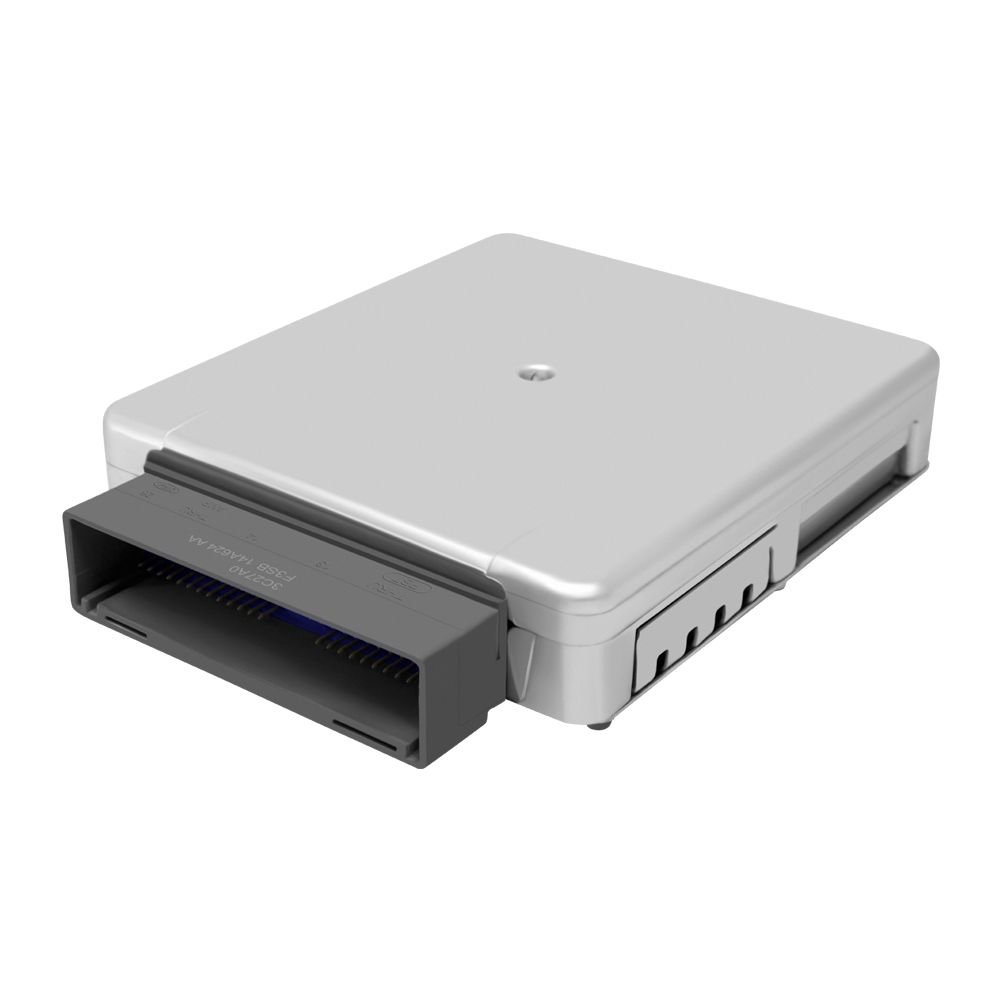
Flagship One stocks a refurbished, VIN-programmed PCM for the 2000 Ford Ranger with a lifetime warranty, free shipping and no core charge. The full Ford Ranger module lineup covers other engine configurations as well.
If your 2000 Ford Ranger is showing delayed shifts or related symptoms, addressing the PCM or ECM promptly can restore reliable performance. Consider a Flagship One VIN‑programmed unit to simplify the repair and get back on the road with confidence.