
Last updated on August 25th, 2026 at 01:37 pm
The Powertrain Control Module (PCM) in your 2001 Ford Ranger is the main computer managing engine performance and transmission behavior. A failing PCM may cause erratic idling, poor acceleration, or even a no-start condition, often triggered by electrical issues or internal faults.
If your 2001 Ford Ranger has been acting up—stalling unexpectedly, hesitating under acceleration, or refusing to start—it may be time to consider the Powertrain Control Module (PCM). This small but critical computer oversees nearly every aspect of your engine’s performance, from fuel delivery to ignition timing. When it fails, the symptoms can range from subtle drivability issues to complete engine shutdown. Replacing the PCM isn’t just about swapping a part; it involves careful installation and programming to ensure your Ranger runs as intended. Understanding the role of the PCM, the steps involved in replacement, and the potential pitfalls can save you time and frustration. Whether you’re diagnosing an existing problem or preparing for a future repair, knowing what to expect helps you make informed decisions about your vehicle’s health.
The Powertrain Control Module (PCM) in your 2001 Ford Ranger serves as the brain of your engine and transmission system. It continuously monitors data from sensors throughout the vehicle, adjusting fuel injection, ignition timing, and transmission shifts to optimize performance and efficiency. Without a properly functioning PCM, your Ranger may struggle with poor fuel economy, rough idling, or even fail to start. This module is particularly important in vehicles like yours, where engine and transmission functions are integrated into a single control unit. If the PCM fails, you might notice symptoms such as erratic shifting, misfires, or the illumination of the check engine light. Replacing it requires not just physical installation but also a relearn procedure to ensure the new module communicates correctly with the rest of the vehicle’s systems. For those looking to replace the module, replacement engine computers for the Ranger are available pre-programmed to your vehicle’s VIN, simplifying the process and reducing the risk of post-installation issues.
2001 Ford Ranger
OEM programmed ECM for your 2001 Ford Ranger — plug & play, no dealer visit.
Free shipping · Lifetime warranty
The PCM in your 2001 Ford Ranger is located inside the engine compartment, typically mounted on the passenger side near the firewall. Accessing it involves removing a few bolts and disconnecting the wiring harness, a process that usually takes about 0.6 hours of labor. The module is secured in place, so you’ll need to carefully detach it without damaging the connectors. Once removed, the new PCM can be installed in the same location, ensuring all electrical connections are clean and properly seated. There’s no need for specialized tools beyond basic hand tools, but it’s important to follow the manufacturer’s torque specifications if provided. After installation, the module will need to be relearned to the vehicle, a step that adds another 0.5 hours of labor to the process.
Work with the ignition off, and treat the module as static-sensitive: avoid touching the connector pins at any point.
| Operation | Configuration | Book Time |
|---|---|---|
| Powertrain Control Module R&R | All configurations | 0.6 hr |
| Powertrain Control Module Relearn | All configurations | 0.5 hr |
| Engine Control Module Relearn | All configurations | 0.5 hr |
| Engine Control Module R&R | All configurations | 0.6 hr |
After replacing the PCM in your 2001 Ford Ranger, the module must undergo a relearn procedure to synchronize with your vehicle’s systems. This step, which typically takes 0.5 hours, ensures the new PCM recognizes the engine’s sensors, transmission, and other critical components. Without this procedure, you may experience drivability issues such as poor acceleration, erratic shifting, or even a no-start condition. The factory process involves using a scan tool to initiate the relearn, allowing the PCM to adapt to your specific Ranger’s configuration. However, if you opt for a VIN-programmed replacement unit, this step is already completed before the module arrives. This means you can install the PCM and drive your vehicle immediately, without the need for additional programming or dealer visits. It’s a straightforward way to avoid potential headaches and ensure your Ranger runs smoothly from the moment the new module is installed.
A failing PCM in your 2001 Ford Ranger can manifest in several ways, often mimicking other mechanical or electrical issues. One of the most common signs is a no-start condition, where the engine cranks but refuses to fire up. You might also notice the engine stalling unexpectedly, particularly at idle or during deceleration, which can be both frustrating and dangerous. Poor acceleration or hesitation under load is another red flag, as the PCM may struggle to deliver the correct fuel and spark timing. Misfires are also a frequent symptom, often accompanied by the check engine light illuminating on your dashboard. In some cases, the transmission may shift erratically or fail to engage gears properly, as the PCM controls both engine and transmission functions. Scan tool communication issues are another telltale sign—if your diagnostic tool can’t connect to the PCM, it may indicate a module failure. Trouble codes like the theft deterrent voltage fault or P1639 may appear, pointing to internal PCM problems that require attention. If you’re experiencing any of these symptoms, it’s worth investigating the PCM as a potential culprit.
Ford issued several service bulletins addressing issues related to the PCM in the 2001 Ranger and similar models. TSB 01-05-01 highlights a lack of power after PCM reprogramming, specifically in vehicles equipped with 3.0L or 4.0L engines. While your Ranger has a 2.3L engine, the underlying concern—drivability issues post-reprogramming—can still apply if the PCM isn’t properly synchronized with the vehicle’s systems. Another relevant bulletin, TSB 02-23-04, addresses the 4×4 lamp illuminating unexpectedly after PCM or instrument cluster replacement. This issue is often accompanied by Diagnostic Trouble Codes (DTCs) P1635 or P1639, which may indicate a communication problem between the PCM and other modules. The bulletin also notes that the speedometer may become inaccurate or inoperative following these replacements. These bulletins underscore the importance of proper PCM installation and relearn procedures to avoid post-repair complications.
| Bulletin | Subject | What It Addresses |
|---|---|---|
| 01-05-01 | DRIVEABILITY – ENGINE – LACK OF POWER AFTER POWERTRAIN CONTROL MODULE (PCM) REPROGRAMMING – VEH | — |
| 02-23-04 | 4X4 LAMP ILLUMINATED AFTER POWERTRAIN CONTROL MODULE (PCM) OR INSTRUMENT CLUSTER REPLACEMENT – | — |
Stalling after a PCM replacement is often due to an incomplete relearn procedure. The new module needs to synchronize with your Ranger’s sensors and transmission, a process that typically takes 0.5 hours. Without this step, the PCM may not deliver the correct fuel or spark timing, leading to stalling. Using a pre-programmed unit can eliminate this issue.
Driving with a failing PCM is risky. While your Ranger may still run, symptoms like stalling, misfires, or erratic shifting can worsen over time. In some cases, the vehicle may refuse to start entirely. If you suspect PCM issues, it’s best to address them promptly to avoid further damage or unsafe driving conditions.
PCM failure often presents with multiple symptoms, such as a no-start condition, stalling, or transmission shifting problems. If your scan tool can’t communicate with the PCM or you’re seeing codes like P1635 or P1639, the module is likely the culprit. However, similar symptoms can also stem from faulty sensors or wiring, so a thorough diagnosis is essential.
In your Ranger, the terms PCM (Powertrain Control Module) and ECM (Engine Control Module) refer to the same unit. Unlike some vehicles that separate engine and transmission control, your Ranger’s PCM handles both functions. This integration means a single module failure can affect both engine performance and transmission behavior.
While the dealer can perform the relearn procedure, it’s not strictly necessary. The factory process requires a scan tool and about 0.5 hours of labor, which many independent shops can handle. Alternatively, opting for a pre-programmed replacement unit eliminates the need for post-installation programming, saving you time and potential hassle.
If your 2001 Ford Ranger is showing signs of PCM failure, you have options beyond costly dealer repairs. A refurbished replacement unit can restore your vehicle’s performance without the need for extensive programming or relearn procedures. Given the labor time involved—just 0.6 hours for removal and installation—this is a practical solution for addressing drivability issues efficiently. Whether you’re dealing with stalling, misfires, or communication errors, a properly installed PCM can get your Ranger back on the road with minimal downtime.
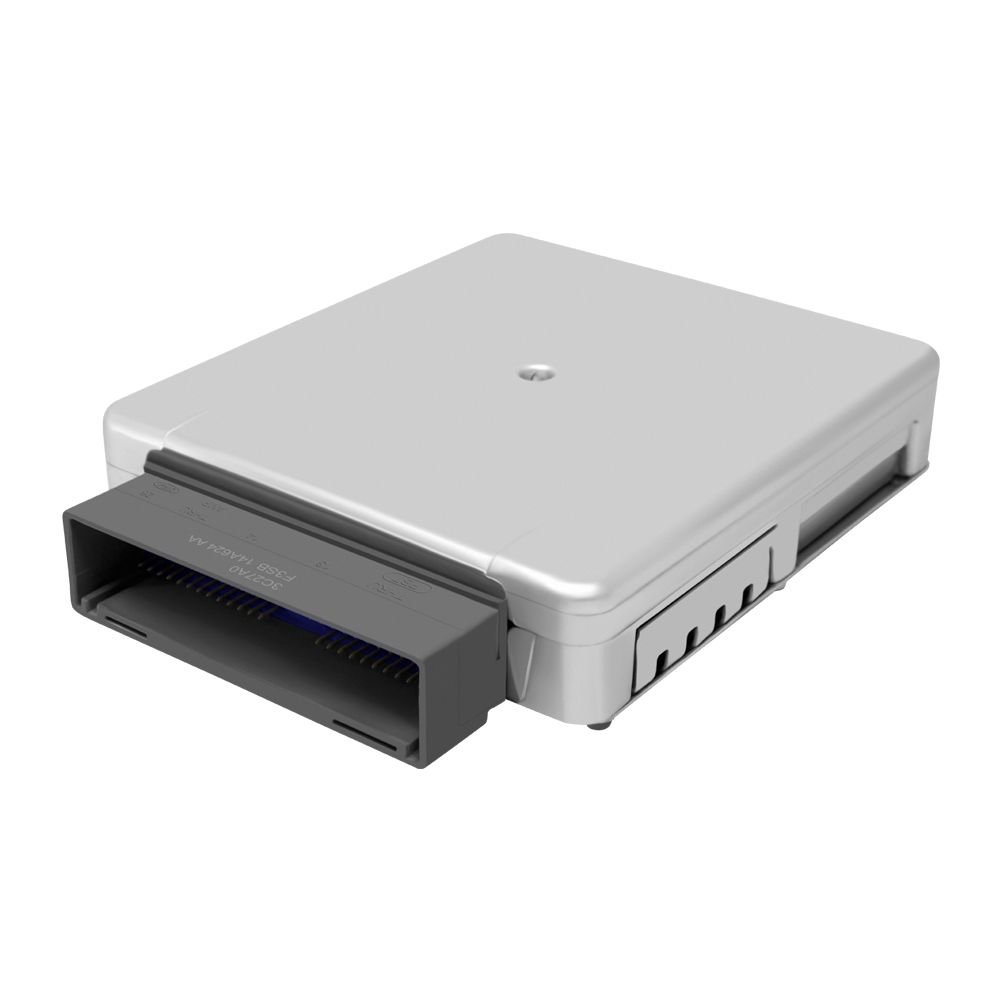
Flagship One stocks a refurbished, VIN-programmed PCM for the 2001 Ford Ranger with a lifetime warranty, free shipping and no core charge. The full Ford Ranger module lineup covers other engine configurations as well.
The PCM in your 2001 Ford Ranger plays a critical role in keeping your engine running smoothly and your transmission shifting correctly. When it fails, the symptoms can range from subtle drivability issues to complete engine shutdown. Replacing the module is a straightforward process, but it’s important to follow the correct steps to avoid post-installation problems. With a pre-programmed unit, you can skip the relearn procedure and enjoy reliable performance right away. If your Ranger is showing signs of PCM trouble, addressing it promptly can save you time, money, and frustration down the road.