2006 Ford Ranger PCM Replacement: What to Expect and How It Works
The Powertrain Control Module (PCM) in your 2006 Ford Ranger manages engine performance, fuel delivery, and transmission behavior. A failing PCM may cause erratic idling, stalling, or a complete no-start situation, often triggered by electrical issues or internal corruption.
Quick Summary
- The PCM controls engine and transmission functions in the 2006 Ford Ranger.
- Replacement typically requires 0.6 hours of labor, plus 0.5 hours for relearn procedures.
- A new PCM must be reprogrammed to sync with the vehicle’s anti-theft system (PATS).
- Failure symptoms may include no-start conditions, stalling, or warning lights on the dashboard.
- Flagship One units arrive pre-programmed to your VIN, eliminating additional setup steps.
If your 2006 Ford Ranger has been acting unpredictably—stalling at stops, refusing to start, or throwing unexplained warning lights—your Powertrain Control Module (PCM) may be the culprit. This small but critical computer oversees everything from fuel delivery to transmission shifts, and when it fails, your truck’s performance suffers. Replacing it isn’t just about swapping a part; the module must be properly configured to work with your vehicle’s security system, or you’ll face the same no-start issues all over again. Understanding the process—from identifying symptoms to installation and programming—helps you avoid unnecessary delays and ensures your Ranger runs reliably. Whether you’re diagnosing a persistent problem or preparing for a repair, knowing what to expect gives you confidence in the solution.
What the PCM Does in a 2006 Ford Ranger
The Powertrain Control Module in your 2006 Ford Ranger serves as the brain of the engine and transmission, constantly adjusting fuel injection, ignition timing, and shift points based on sensor inputs. Without a functioning PCM, your truck may struggle to start, idle roughly, or even enter a fail-safe mode that limits performance. This module also interfaces with the replacement engine computers for the Ranger, ensuring seamless operation when a new unit is installed. Its role extends beyond basic engine management; it communicates with the instrument cluster to display critical warnings and stores diagnostic trouble codes when something goes wrong. Because the PCM integrates with the passive anti-theft system (PATS), any replacement must be carefully programmed to prevent security-related no-start conditions. A well-functioning PCM keeps your Ranger responsive, efficient, and compliant with emissions standards, making it one of the most important components under the hood.
Where the PCM Is Located and What Replacement Involves
In the 2006 Ford Ranger, the Powertrain Control Module is mounted inside the engine bay, typically near the firewall on the passenger side. Accessing it requires removing a protective cover and disconnecting the wiring harness, a straightforward process that usually takes about 0.6 hours of labor. Once the old module is unbolted, the new one can be installed in its place, with care taken to ensure the connectors are securely fastened. There’s no need for specialized tools beyond basic hand tools, though proper torque on the mounting bolts helps prevent vibration-related issues. After installation, the module must undergo a relearn procedure, which adds another 0.5 hours to the job. This step ensures the PCM synchronizes with the vehicle’s sensors and systems, allowing for smooth operation. If the instrument cluster module isn’t reset alongside the PCM, your Ranger may still refuse to start due to anti-theft system conflicts.
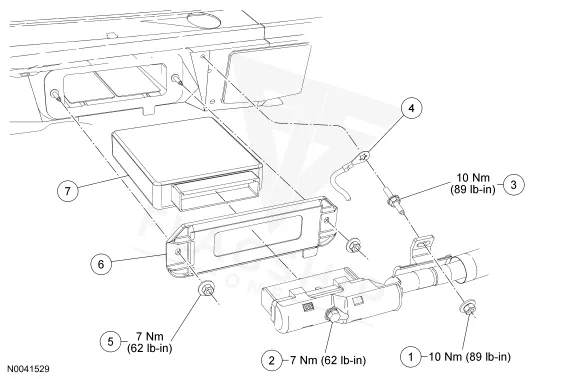
How to Reach the PCM on the 2006 Ford Ranger
- Remove the PCM wiring harness retainer nut.
- Loosen the bolt and remove the PCM connector.
- Remove the stud bolt.
- Remove the 2 nuts and the PCM cover.
- Remove the PCM.
- Position back the PCM wiring harness and ground cable.
Work with the ignition off, and treat the module as static-sensitive: avoid touching the connector pins at any point.
| Operation | Configuration | Book Time |
|---|---|---|
| Powertrain Control Module R&R | All configurations | 0.6 hr |
| Powertrain Control Module Relearn | All configurations | 0.5 hr |
| Engine Control Module Relearn | All configurations | 0.5 hr |
| Engine Control Module R&R | All configurations | 0.6 hr |
Programming Requirements After Replacement
After installing a new Powertrain Control Module in your 2006 Ford Ranger, the factory procedure requires reprogramming the passive anti-theft system (PATS) to prevent a no-start condition. This step is critical because the PCM and instrument cluster must recognize each other, or the security system will block fuel delivery and ignition. The process typically involves 0.5 hours of labor to complete the relearn, but a VIN-programmed replacement unit from Flagship One arrives pre-configured to your vehicle’s specifications. This eliminates the need for additional programming, saving you time and ensuring the module communicates correctly with the rest of the truck’s systems right out of the box. Without proper programming, even a brand-new PCM won’t function, leaving you stranded with the same issues you started with. Always confirm the module is matched to your VIN to avoid compatibility problems.
Symptoms of a Failing PCM
A failing Powertrain Control Module in your 2006 Ford Ranger may cause a range of frustrating symptoms, often mimicking other mechanical or electrical issues. One of the most common signs is a no-start condition, where the engine cranks but refuses to fire, sometimes accompanied by a flashing security light. Stalling at idle or during acceleration is another red flag, particularly if it happens intermittently. You might also notice the check engine light illuminating, often triggering codes related to fuel delivery or ignition timing. In some cases, the transmission may shift erratically or fail to engage gears properly, as the PCM controls both engine and transmission functions. Poor fuel economy or a rough idle can also point to PCM problems, especially if no other mechanical issues are found. If your scan tool shows a memory integrity fault, it’s a strong indicator that the module’s internal memory has corrupted, requiring replacement. Other symptoms may include dead scan tool communication, where the PCM fails to respond to diagnostic requests, or the vehicle entering a fail-safe mode that limits engine power. Because these symptoms can overlap with other problems, proper diagnosis is key to avoiding unnecessary repairs.
Protecting the PCM in Your 2006 Ford Ranger
- Keep your battery and charging system in good condition to avoid voltage spikes that can damage the PCM.
- Inspect wiring harnesses and connectors regularly for corrosion, fraying, or loose connections near the module.
- Avoid jump-starting your Ranger with improper voltage, as this can overload sensitive electronics.
- Address check engine lights or warning messages promptly to prevent minor issues from escalating.
- Ensure the PCM’s mounting area is clean and free of debris to prevent moisture or heat-related damage.
- Use dielectric grease on connectors to protect against corrosion, especially in humid or salty environments.
Frequently Asked Questions
Why does my 2006 Ford Ranger start but stall immediately after replacing the PCM?
This often happens when the passive anti-theft system (PATS) isn’t properly reprogrammed after installation. The PCM and instrument cluster must sync to allow fuel delivery and ignition. If the relearn procedure isn’t completed, the security system may still block engine operation, causing the stalling. A VIN-matched replacement unit can prevent this issue.
Can I drive my Ranger with a bad PCM, or will it cause further damage?
While your truck may still run with a failing PCM, it’s not advisable to drive it long-term. A faulty module can cause erratic engine behavior, poor fuel economy, or even transmission issues. In some cases, it may trigger a fail-safe mode that limits performance, leaving you stranded. Addressing the problem promptly helps avoid additional wear on other components.
How do I know if my Ranger’s PCM is bad or if it’s just a sensor issue?
Sensor issues often trigger specific trouble codes, while a failing PCM may cause multiple unrelated codes or no communication with a scan tool. If you’re seeing inconsistent symptoms—like stalling, misfires, or transmission problems—without a clear cause, the PCM is a likely culprit. A professional diagnosis can confirm whether the module or a sensor is at fault.
Does the 2006 Ford Ranger require a dealer visit for PCM programming?
While a dealer can perform the programming, it’s not always necessary. The key step is ensuring the PCM is matched to your VIN and that the passive anti-theft system is reset. A pre-programmed replacement unit eliminates the need for additional setup, making the process simpler and more convenient for independent repair shops or DIYers.
What happens if I install a used PCM from another Ranger into my 2006 model?
Installing a used PCM may work temporarily, but it often leads to compatibility issues. The module must be reprogrammed to your vehicle’s VIN and synchronized with the instrument cluster to avoid no-start conditions. Even if it starts, a used PCM may not perform optimally due to wear or mismatched software, leading to drivability problems down the road.
If your 2006 Ford Ranger is showing signs of PCM failure, you have options beyond costly dealer repairs. A refurbished replacement unit can restore your truck’s performance without the wait or expense of a new module. Since the PCM must be programmed to your VIN, choosing a pre-configured unit saves time and ensures compatibility right out of the box. Whether you’re tackling the job yourself or working with a trusted mechanic, understanding the process helps you make an informed decision and get back on the road quickly.
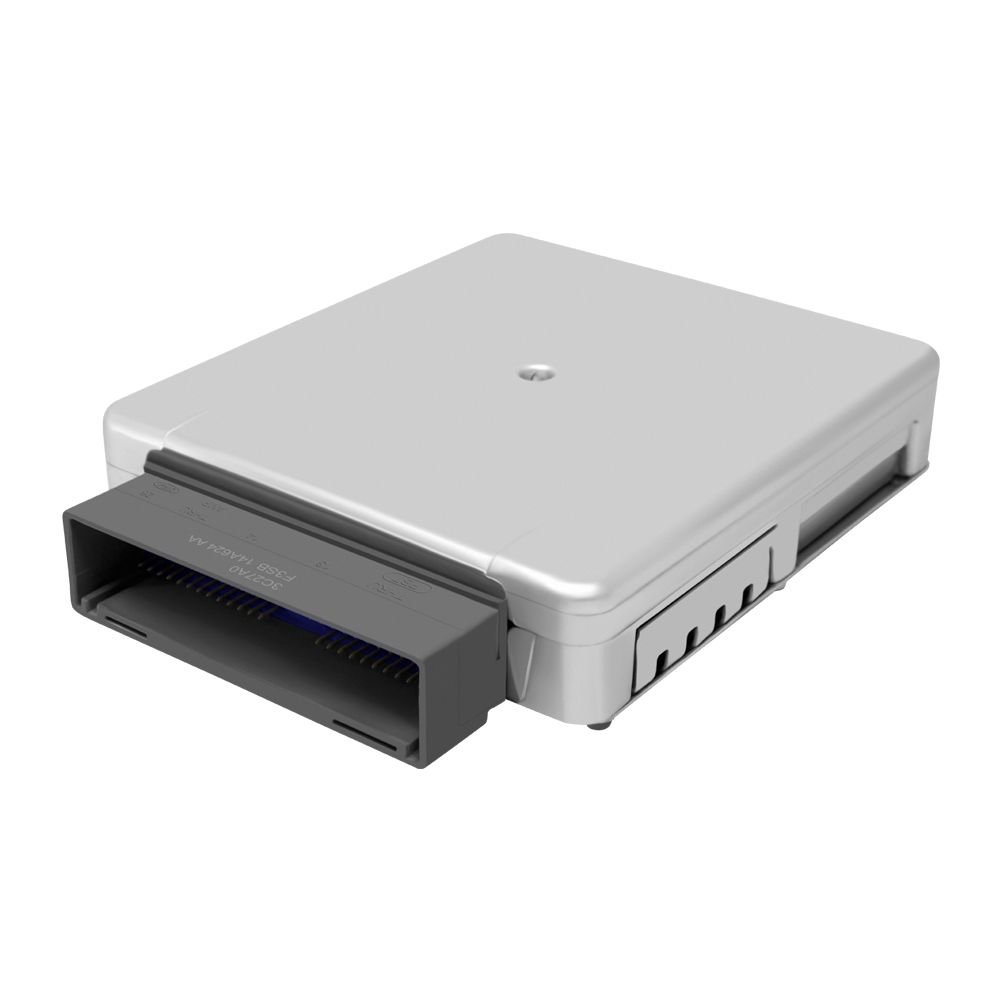
Flagship One stocks a refurbished, VIN-programmed PCM for the 2006 Ford Ranger with a lifetime warranty, free shipping and no core charge. The full Ford Ranger module lineup covers other engine configurations as well.
Final Thoughts
Replacing the Powertrain Control Module in your 2006 Ford Ranger is a manageable task when you know what to expect. From recognizing the symptoms to understanding the installation and programming requirements, being prepared helps you avoid common pitfalls. Whether you opt for a dealer visit or a pre-programmed replacement unit, ensuring the module is properly matched to your VIN keeps your Ranger running smoothly. Addressing PCM issues promptly not only restores performance but also prevents further complications down the road.