
Last updated on August 25th, 2026 at 01:35 pm
The Powertrain Control Module (PCM) or Engine Control Module (ECM) in your 2005 Ford Ranger manages fuel delivery, ignition timing, and emissions systems. Failure may cause erratic engine behavior, no-start conditions, or poor drivability.
If your 2005 Ford Ranger is experiencing unexplained stalling, rough idling, or a no-start condition, the Powertrain Control Module (PCM) or Engine Control Module (ECM) may be the culprit. This small but critical computer manages everything from fuel injection to ignition timing, ensuring your engine runs smoothly. When it fails, symptoms can range from subtle drivability issues to complete engine shutdown. Understanding what the module does, where it’s located, and what replacement involves can save you time and frustration. This guide covers the essentials: labor times, common failure signs, and why choosing a pre-programmed replacement unit can simplify the repair process. Whether you’re a DIY enthusiast or relying on a shop, knowing these details helps you make informed decisions about your Ranger’s health.
2005 Ford Ranger 2.3L
OEM programmed ECM for your 2005 Ford Ranger 2.3L — plug & play, no dealer visit.
Free shipping · Lifetime warranty
The PCM or ECM in your 2005 Ford Ranger acts as the brain of the engine, continuously monitoring sensors and adjusting fuel, air, and spark to optimize performance. It also communicates with the transmission control module to ensure smooth shifting. Without a functioning PCM, your Ranger may struggle to start, run inefficiently, or even enter a fail-safe mode that limits power. Over time, exposure to heat, vibration, or electrical spikes can degrade the module’s internal components, leading to intermittent or permanent failure. When replacement becomes necessary, you’ll want to consider replacement engine computers for the Ranger to ensure compatibility and reliability. The module’s role is so central that even minor glitches can trigger a cascade of drivability issues, making timely diagnosis and repair essential.
In the 2005 Ford Ranger with the 2.3L engine, the PCM/ECM is typically mounted in the engine bay, often near the firewall or inner fender. Accessing it usually involves removing a protective cover or air intake components, though the exact steps may vary slightly depending on the vehicle’s configuration. Once exposed, the module is secured with bolts or screws and connected via a multi-pin electrical connector. Replacement involves disconnecting the battery, unplugging the connector, removing the mounting hardware, and installing the new unit in reverse order. According to factory labor guides, the entire removal and reinstallation process should take about 0.6 hours. Proper torque on the mounting hardware is important to prevent vibration-related issues, though specific torque values aren’t always provided in standard repair manuals.
Work with the ignition off, and treat the module as static-sensitive: avoid touching the connector pins at any point.
| Operation | Configuration | Book Time |
|---|---|---|
| Powertrain Control Module R&R | All configurations | 0.6 hr |
| Powertrain Control Module Relearn | All configurations | 0.5 hr |
| Engine Control Module Relearn | All configurations | 0.5 hr |
| Engine Control Module R&R | All configurations | 0.6 hr |
After installing a new PCM/ECM in your 2005 Ford Ranger, the factory procedure requires a relearn process to synchronize the module with the vehicle’s sensors and transmission. This typically involves using a scan tool to initiate a series of calibrations, which can take up to 0.5 hours of labor. However, if you opt for a VIN-programmed replacement unit, these steps are already completed before the module arrives. This means your Ranger can be driven immediately after installation, without the need for additional programming or dealer visits. The relearn process ensures the engine and transmission operate smoothly together, preventing issues like rough shifting or poor fuel economy. Skipping this step may result in erratic behavior, so it’s critical to follow the procedure—or choose a unit that eliminates the need for it entirely.
When the PCM/ECM in your 2005 Ford Ranger begins to fail, symptoms can vary but often include a no-start condition, where the engine cranks but refuses to fire. You may also notice the engine stalling unexpectedly, especially at idle or during deceleration. Misfires are another common sign, often accompanied by a rough or uneven idle. In some cases, the check engine light will illuminate, and a scan tool may reveal communication errors or specific trouble codes like an internal control module memory check sum error. Other symptoms might include poor fuel economy, hesitation during acceleration, or the transmission shifting erratically. If the module fails completely, your Ranger may enter a limp-home mode, limiting speed and power to prevent further damage. Electrical issues, such as voltage spikes or corroded connectors, can exacerbate these problems, so addressing them promptly is key to avoiding repeat failures.
Stalling at idle, followed by a restart, is often a sign of a failing PCM/ECM. The module may be losing its memory or struggling to maintain communication with sensors. Heat or electrical interference can exacerbate the issue, causing intermittent shutdowns. A scan tool can help confirm whether the PCM is the root cause.
Driving with a failing PCM/ECM is risky. The vehicle may stall unexpectedly, enter limp mode, or suffer from poor fuel economy. In some cases, the engine may not start at all. If you suspect PCM issues, it’s best to address them promptly to avoid being stranded or causing further damage.
If the PCM is generating internal fault codes (like P0601) or failing to communicate with a scan tool, replacement is often the only solution. Reprogramming may help if the module is still functional but out of sync with the vehicle’s sensors. A professional diagnosis can determine whether the issue is software-related or a hardware failure.
Common causes include exposure to heat, vibration, or electrical spikes. Corroded connectors, poor battery voltage, or moisture intrusion can also damage the module over time. In some cases, manufacturing defects or age-related wear may lead to internal failures. Regular maintenance can help mitigate these risks.
Refurbished units are often a cost-effective choice, provided they’re tested and VIN-programmed for your Ranger. New modules may offer longer warranties but come at a higher price. Both options can work well, so consider your budget and the supplier’s reputation when making a decision.
If your 2005 Ford Ranger is showing signs of PCM/ECM failure, you have options. A repair shop can diagnose the issue and perform the replacement, but labor costs can add up quickly. Alternatively, a VIN-programmed replacement unit eliminates the need for post-installation programming, saving you time and hassle. Whether you choose a new or refurbished module, ensuring it’s compatible with your Ranger’s 2.3L engine is key to a smooth repair.
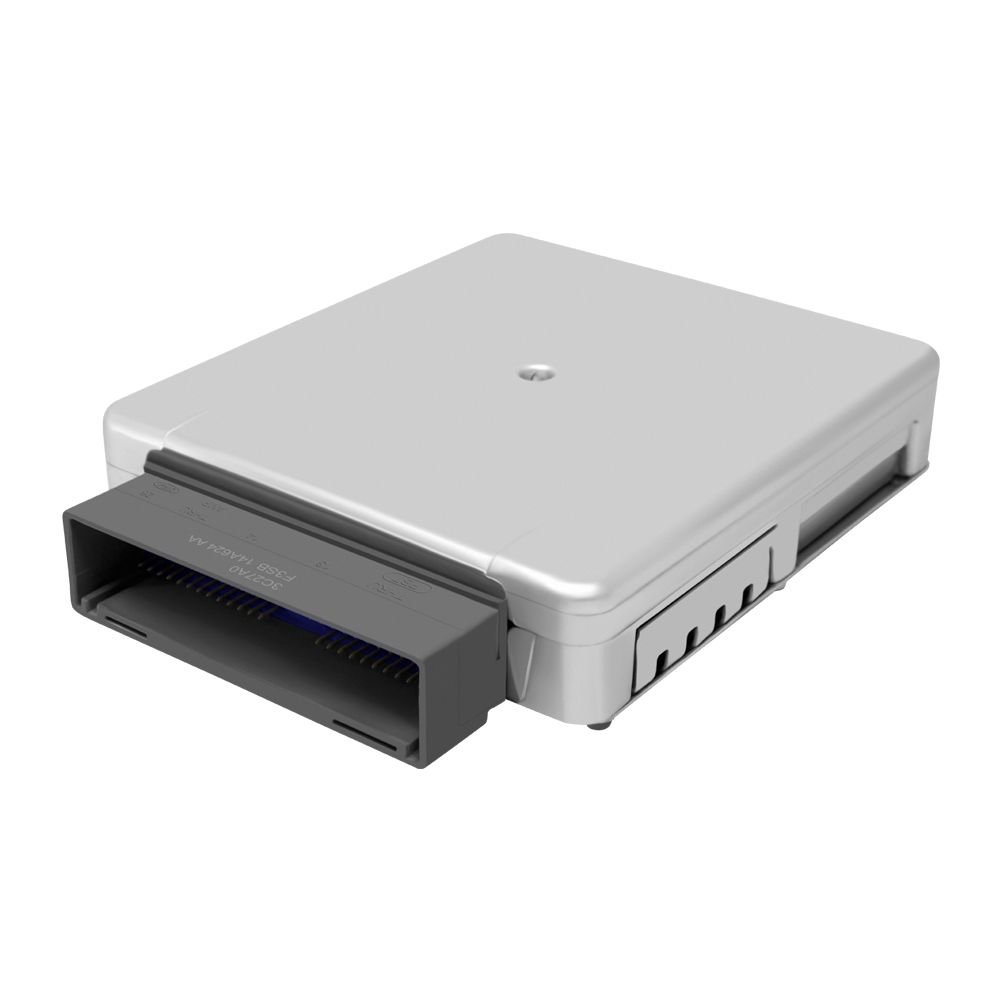
Flagship One stocks a refurbished, VIN-programmed PCM for the 2005 Ford Ranger with a lifetime warranty, free shipping and no core charge. The full Ford Ranger module lineup covers other engine configurations as well.
The PCM/ECM in your 2005 Ford Ranger plays a critical role in keeping your engine running smoothly. If you’re experiencing stalling, misfires, or no-start conditions, this module may be the culprit. Replacing it involves straightforward labor, but choosing a VIN-programmed unit can simplify the process. Regular maintenance and prompt attention to trouble codes can help extend the life of your Ranger’s electronics, keeping you on the road with confidence.