
Last updated on August 25th, 2026 at 01:33 pm
The Powertrain Control Module on your 2010 Ford Ranger serves as the central computer responsible for managing engine operations, transmission shifting, and emissions systems. When this module experiences internal failure, it can trigger the P0606 trouble code and cause stalling, no-start conditions, or erratic shifting behavior that requires professional diagnosis and replacement.
When your 2010 Ford Ranger displays a check engine light and your diagnostic scan tool reveals trouble code P0606, you may be facing a failure of the vehicle’s primary computer module. The Powertrain Control Module and Engine Control Module in your Ranger handle thousands of calculations per second, coordinating fuel delivery, ignition timing, and transmission behavior based on data from dozens of sensors. An internal fault within these modules can leave you stranded or dealing with persistent drivability symptoms that resist conventional repair attempts. This guide walks you through understanding how these modules function, what the replacement process involves, and what programming requirements exist after installation. You will learn to distinguish between genuine module failures and simpler electrical issues, understand the time investment required for proper replacement, and recognize why professional intervention often becomes necessary when internal processor faults occur. Whether you are diagnosing an unfamiliar warning light or planning a repair, this information helps you approach the situation with realistic expectations about cost, complexity, and outcomes.
The Powertrain Control Module in your 2010 Ford Ranger functions as the electronic brain managing your engine and transmission. This computer receives input from the mass air flow sensor, crankshaft position sensor, oxygen sensors, throttle position sensor, and numerous other data points, then uses that information to command fuel injectors, control spark advance, and regulate emissions control components. The Engine Control Module may share processing responsibilities or operate as a secondary controller depending on your specific vehicle configuration. replacement engine computers for the Ford Ranger integrates with over twenty unique subsystems, making it essential for normal vehicle operation.
When internal electronics within these modules fail, the consequences extend beyond simple diagnostic codes. The module may lose the ability to process sensor data correctly, resulting in incorrect fuel mixtures, poor ignition timing, or transmission engagement problems. In some cases, the module stops communicating entirely, leaving your scan tool unable to establish a data link. The P0606 code specifically indicates a processor malfunction detected by the module’s internal self-diagnostic system, suggesting that the controller has identified an irrecoverable fault within its own circuitry rather than a problem with connected sensors or wiring. This type of failure often progresses gradually, with early symptoms including intermittent warning lights, subtle performance changes, or occasional starting difficulties before complete module failure occurs.
2010 Ford Ranger
OEM programmed replacements — plug & play, no dealer visit.
Find yours by year, make & model →
Free shipping · Lifetime warranty
The Powertrain Control Module and Engine Control Module on your 2010 Ranger typically mount inside the engine compartment, though exact positioning varies based on whether you are servicing the PCM or ECM. Access generally requires removal of cosmetic covers and potentially repositioning of nearby components to reach mounting hardware and electrical connectors. Labor estimates for removal and replacement range from 0.5 to 0.6 hours depending on which specific module requires service, with additional time needed for relearn procedures that follow installation.
The replacement process involves disconnecting the battery ground cable before beginning work, removing the faulty module from its mounting location, transferring any necessary hardware or brackets to the replacement unit, and reconnecting all electrical harnesses. Proper torque specifications must be followed when securing mounting bolts to prevent vibration-related damage. Once physically installed, the module requires initialization procedures before your Ranger will operate normally. You should expect the total shop time to exceed the simple removal and installation estimates due to these necessary preparatory and follow-up steps.
| Operation | Configuration | Book Time |
|---|---|---|
| Powertrain Control Module R&R | All configurations | 0.5 hr |
| Powertrain Control Module Relearn | All configurations | 0.5 hr |
| Engine Control Module Relearn | All configurations | 0.5 hr |
| Engine Control Module R&R | All configurations | 0.6 hr |
After installing a replacement computer module in your 2010 Ford Ranger, the factory service procedure requires executing specific relearn processes to establish proper communication between the new module and your vehicle’s sensors and actuators. These relearn procedures allow the fresh module to calibrate itself to your specific engine and transmission characteristics. Without completing these steps, you may experience poor idle quality, incorrect transmission shifting, or persistent diagnostic codes despite having correct sensor operation.
Flagship One addresses this requirement by shipping replacement modules with your vehicle’s specific VIN already programmed into the unit. This pre-programming eliminates several steps from the factory relearn procedure, meaning your technician can proceed directly to vehicle-specific initialization rather than performing full VIN programming from scratch. a VIN-programmed replacement unit arrives ready to communicate with your Ranger’s network, reducing the total time needed at the repair facility and ensuring that basic data exchange occurs immediately upon installation and battery reconnection.
Module failures in your 2010 Ford Ranger typically manifest as a combination of drivability complaints and electrical system anomalies. Your engine may stall unexpectedly at idle or lose power during acceleration, often without warning. The transmission may exhibit harsh shifting, failure to engage gears, or refusal to shift out of a default mode designed to protect the drivetrain during system faults. internal processor malfunction frequently accompanies these symptoms, appearing alongside additional codes related to specific sensor circuits that the failing module can no longer monitor correctly.
Some drivers report that their Ranger runs normally for days or weeks between episodes, only to develop recurring stalling or no-start conditions afterward. Others experience immediate and persistent symptoms following the onset of internal module failure. A dead or unresponsive scan tool connection, where your diagnostic equipment cannot establish communication with the PCM, often indicates complete module failure rather than partial degradation. Misfire codes appearing on multiple cylinders simultaneously may point toward lost communication between your engine’s sensors and the controlling computer rather than individual ignition component failures. These varied symptoms share a common thread in their unpredictable nature and resistance to traditional repair approaches focused on sensors and wiring.
The P0606 code specifically indicates that your Ranger’s Powertrain Control Module has detected an internal fault within its own processor or memory systems. This code is classified as a module-internal failure, meaning the problem originates within the controller itself rather than in external wiring or connected sensors. When your vehicle’s self-diagnostic system identifies processor irregularities that exceed acceptable thresholds, it sets this code and may illuminate the malfunction indicator light to alert you to the condition. Understanding that this represents a hardware-level failure within the computer module helps explain why sensor testing and wiring inspection often fail to reveal the root cause.
| Code | Meaning | Full Guide |
|---|---|---|
| P0606 | Module processor failure | Full P0606 guide → |
No. The Powertrain Control Module controls essential functions including fuel injection, ignition timing, and transmission operation. Without a functional controller, your engine cannot maintain proper air-fuel mixture, making reliable operation impossible.
A used module would require factory-level programming to match your specific vehicle’s VIN and configuration. Without proper programming, a salvage yard unit will not communicate with your Ranger’s systems and may trigger additional fault codes.
Labor estimates for module removal and installation range from 0.5 to 0.6 hours per module, with additional relearn procedures requiring further time. Your actual visit may extend longer depending on diagnostic verification and initialization steps.
Internal processor failures within the module itself typically cause this code. Causes include heat cycling damage over time, voltage spikes from charging system problems, moisture intrusion into module housings, or simple component aging in the controller’s internal circuitry.
Driving with an impaired module carries risk of unexpected stalling, loss of transmission control, or stranded vehicle situations. If your Ranger displays intermittent symptoms or multiple fault codes, limiting driving until diagnosis and repair represents the safer approach.
When your 2010 Ford Ranger requires Powertrain Control Module or Engine Control Module service, you face a choice between repair and replacement. In-house module repair may be possible in limited cases, though success depends heavily on the specific nature and location of internal damage within the controller. Replacement with a professionally refurbished unit often provides more predictable long-term results. Flagship One offers replacement modules programmed specifically for your Ranger’s VIN, reducing installation complexity and eliminating certain factory programming steps. Your mechanic can install the unit using standard procedures while relying on pre-programmed firmware to communicate with your vehicle’s systems immediately upon connection.
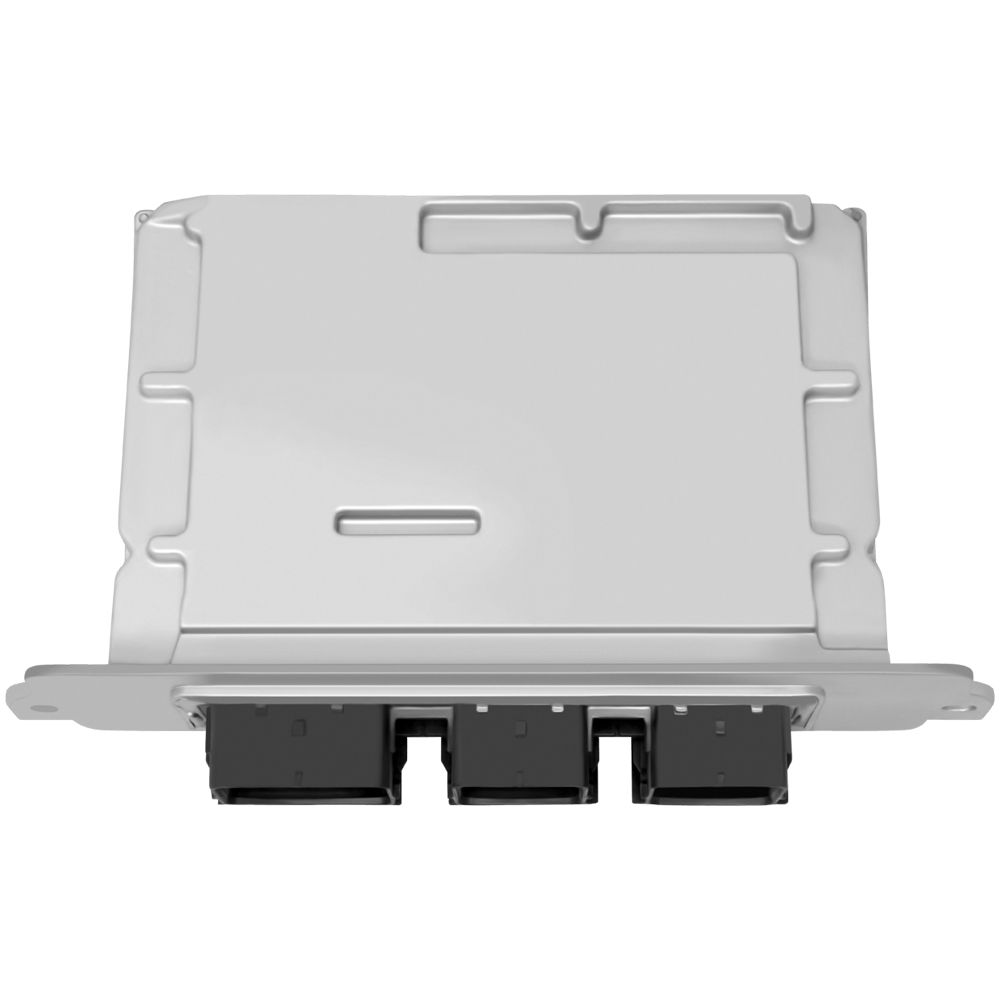
Flagship One stocks a refurbished, VIN-programmed PCM for the 2010 Ford Ranger with a lifetime warranty, free shipping and no core charge. The full Ford Ranger module lineup covers other engine configurations as well.
The Powertrain Control Module and Engine Control Module in your 2010 Ford Ranger represent critical components that coordinate nearly every aspect of engine and transmission performance. When internal faults cause codes like P0606, professional replacement typically becomes the most practical solution compared to diagnostic attempts that may yield inconclusive results. Flagship One provides replacement modules configured for your specific vehicle, simplifying the repair process and restoring proper communication between your Ranger’s computer systems and mechanical components.