
Last updated on August 25th, 2026 at 01:34 pm
The Powertrain Control Module (PCM) in your 2007 Ford Ranger manages engine and transmission functions. Failures may cause no-start conditions, erratic shifting, or stored trouble codes, often tied to electrical or internal faults.
If your 2007 Ford Ranger struggles to start, stalls unexpectedly, or throws cryptic engine codes, the Powertrain Control Module (PCM) may be the culprit. This critical component oversees engine performance and transmission behavior, and when it fails, symptoms can range from subtle drivability issues to complete immobilization. Replacing the PCM isn’t just about swapping hardware—it involves precise programming to ensure the vehicle runs correctly. Understanding the process, labor requirements, and potential pitfalls can save you time and frustration. Whether you’re diagnosing a no-start condition or preparing for a replacement, knowing what to expect helps you make informed decisions about your Ranger’s repair.
In your 2007 Ford Ranger, the Powertrain Control Module (PCM) acts as the brain for both the engine and transmission. It processes data from sensors to optimize fuel delivery, ignition timing, and shift points, ensuring smooth operation. A malfunctioning PCM may disrupt these functions, leading to poor performance or even a vehicle that won’t start. Because the PCM is integrated with the replacement engine computers for the Ranger, selecting the correct unit is critical. Without proper calibration, the module may fail to communicate with other systems, triggering additional issues like PATS (Passive Anti-Theft System) faults or transmission glitches.
2007 Ford Ranger
OEM programmed replacements — plug & play, no dealer visit.
Find yours by year, make & model →
Free shipping · Lifetime warranty
The PCM in your 2007 Ford Ranger is typically located near the engine bay, often mounted on the firewall or inner fender. Accessing it requires removing a protective cover or air intake components, depending on the exact configuration. Replacement involves disconnecting the battery, unplugging the wiring harness, and removing the mounting bolts. Labor time for removal and reinstallation is usually 0.6 hours. After installation, a relearn procedure of 0.5 hours is required to synchronize the module with the vehicle’s systems. Proper torque on mounting bolts and secure connector engagement are essential to prevent future issues.
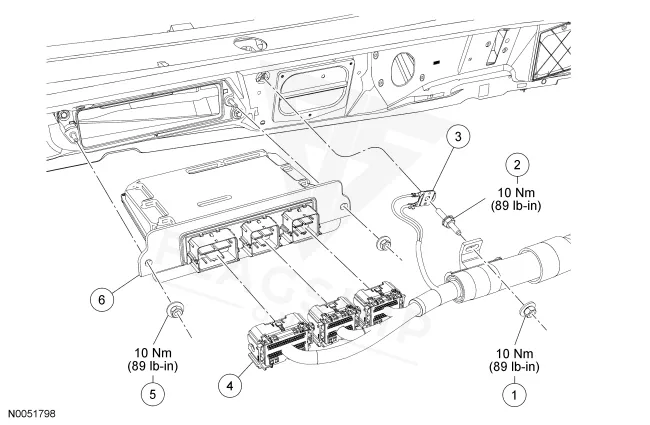
Work with the ignition off, and treat the module as static-sensitive: avoid touching the connector pins at any point.
| Operation | Configuration | Book Time |
|---|---|---|
| Powertrain Control Module R&R | All configurations | 0.6 hr |
| Powertrain Control Module Relearn | All configurations | 0.5 hr |
| Engine Control Module Relearn | All configurations | 0.5 hr |
| Engine Control Module R&R | All configurations | 0.6 hr |
After replacing the PCM in your 2007 Ford Ranger, the factory procedure requires a relearn process to reset parameters in both the PCM and the instrument cluster module. This step is critical to avoid a PATS no-start condition. However, a VIN-programmed replacement unit from Flagship One arrives pre-configured for your vehicle, eliminating the need for additional programming. This ensures the module communicates correctly with the engine, transmission, and anti-theft systems right out of the box, saving you time and potential headaches during installation.
A failing PCM in your 2007 Ford Ranger may cause a variety of symptoms. Common signs include a no-start condition, stalling at idle or while driving, and erratic transmission shifting. You might also notice the check engine light illuminating, often accompanied by codes like anti-theft system malfunction. In some cases, the vehicle may crank but fail to start due to communication errors between the PCM and other modules. Scan tool connectivity issues or multiple unrelated codes may also point to a PCM problem, especially if other components have been ruled out.
Ford service bulletin #07-13-02 addresses crank/no-start conditions in the 2007 Ranger, specifically when diagnostic trouble codes P1260, U2510, and B1318 are present without the malfunction indicator lamp (MIL) illuminating. The bulletin outlines diagnostic steps to isolate whether the issue stems from the PCM, wiring, or related modules. Following these guidelines can help avoid unnecessary part replacements and ensure the correct repair is performed.
| Bulletin | Subject | What It Addresses |
|---|---|---|
| 07-13-02 | CRANK/NO START – DIAGNOSTIC TROUBLE CODE (DTC) P1260, U2510, AND B1318 – NO MALFUNCTION INDICAT | — |
A crank/no-start condition after PCM replacement often stems from incomplete programming. The factory requires a relearn procedure to sync the PCM with the instrument cluster and PATS. If this step is skipped, the vehicle may fail to start. Using a pre-programmed replacement unit eliminates this risk.
While the physical replacement is straightforward, the relearn procedure requires specialized tools and software. If you’re not equipped to perform the programming, a shop can complete the job efficiently. Pre-programmed units simplify the process but may still require professional installation for some users.
In your Ranger, the PCM (Powertrain Control Module) combines the functions of an ECM (Engine Control Module) and a transmission control module. It manages both engine performance and transmission behavior, whereas an ECM typically handles only engine-related tasks. Replacing the PCM requires attention to both systems.
If your 2007 Ford Ranger is experiencing PCM-related issues, you have options. A repair may address minor faults, but a failing module often requires replacement. Refurbished units offer a cost-effective solution, especially when pre-programmed for your vehicle. This ensures compatibility with the PATS and other systems, reducing the risk of post-installation problems. Consider your budget and the severity of the issue when deciding between repair and replacement.
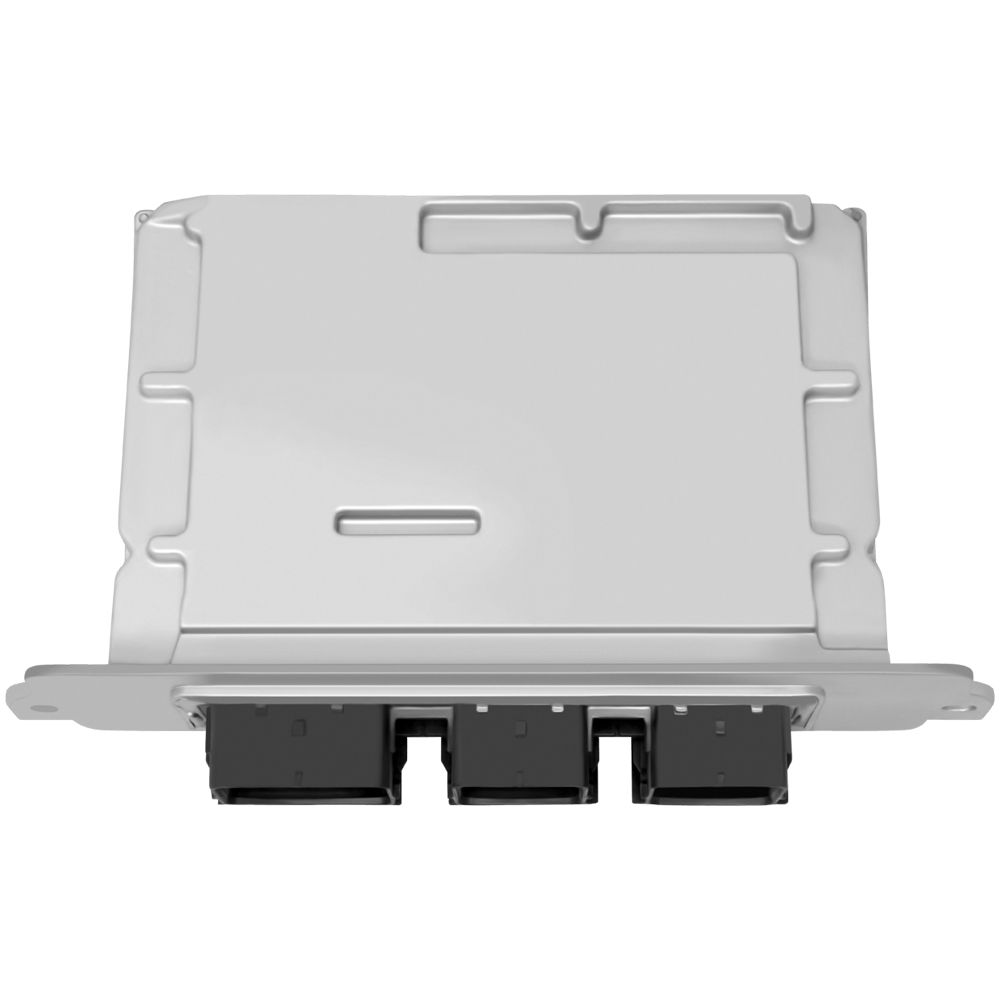
Flagship One stocks a refurbished, VIN-programmed PCM for the 2007 Ford Ranger with a lifetime warranty, free shipping and no core charge. The full Ford Ranger module lineup covers other engine configurations as well.
The 2007 Ford Ranger relies on its PCM for smooth operation, and a failing module can lead to frustrating symptoms like no-start conditions or erratic shifting. Understanding the replacement process, labor requirements, and programming needs helps you approach the repair with confidence. Whether you opt for a shop or tackle the job yourself, choosing the right replacement unit ensures your Ranger runs reliably for miles to come.