
Last updated on August 25th, 2026 at 01:34 pm
The Powertrain Control Module on your 2009 Ford Ranger serves as the central computer managing engine and transmission functions. When this unit fails, your vehicle may experience no-start conditions, drivability issues, or communication faults that leave you stranded.
If your 2009 Ford Ranger has begun to experience starting problems, erratic idling, or unexpected stalling, the Powertrain Control Module may be the root cause. The PCM serves as the brain of your vehicle’s powertrain, coordinating multiple subsystems to ensure reliable operation. This guide walks you through understanding module failure in this specific model, recognizing the symptoms that indicate replacement is needed, and navigating the programming requirements that follow installing a new unit. Whether you are diagnosing a no-start condition or planning a preventive replacement, the information here helps you make informed decisions about repair options. You will learn what the module does, where it is located, what the factory service procedures require, and how Flagship One units simplify the process by arriving pre-programmed with your vehicle’s identity.
The replacement engine computers for the Ranger acts as the central processing hub for your 2009 Ford Ranger’s powertrain. This single module integrates the functions that older vehicles divided between separate Engine Control Module and Transmission Control Module units, making it the primary electronic brain for the 2.3L four-cylinder engine. The module receives input from dozens of sensors throughout the engine compartment and uses this data to calculate optimal fuel injection timing, adjust ignition advance, and coordinate transmission shift points. When you turn the key, the PCM energizes the fuel pump, monitors crankshaft position, and controls idle speed to ensure a smooth start. While driving, it continuously adjusts air-fuel mixture based on oxygen sensor feedback, manages the exhaust gas recirculation system, and communicates with the transmission control module to execute smooth gear changes. This level of integration means that when the internal processor or memory within the PCM becomes corrupted or the unit suffers physical damage, the effects cascade across multiple vehicle systems. The module also interfaces with the Passive Anti-Theft System, storing security parameters that must match those programmed in the instrument cluster before the engine will run.
2009 Ford Ranger
OEM programmed replacements — plug & play, no dealer visit.
Find yours by year, make & model →
Free shipping · Lifetime warranty
The Powertrain Control Module on your 2009 Ford Ranger is located in the engine compartment, mounted to the firewall on the driver’s side of the vehicle. Access requires removing the engine cover and disconnecting the battery negative terminal before beginning work. The module sits in a protective bracket that must be unbolted, after which you can disconnect the multiple wiring harnesses attached to the unit. Replacement involves reversing this process with the new module, ensuring all connectors seat fully and the mounting bolts are torqued to specification. The book time for Powertrain Control Module R&R is 0.5 hours, though this does not account for additional programming or relearn procedures that follow. After installation, the relearn procedure requires an additional 0.5 hours of labor to allow the PCM to adapt to your specific engine’s characteristics. The Engine Control Module R&R book time is 0.6 hours, with its own relearn procedure taking 0.5 hours. Plan accordingly when budgeting for this repair.
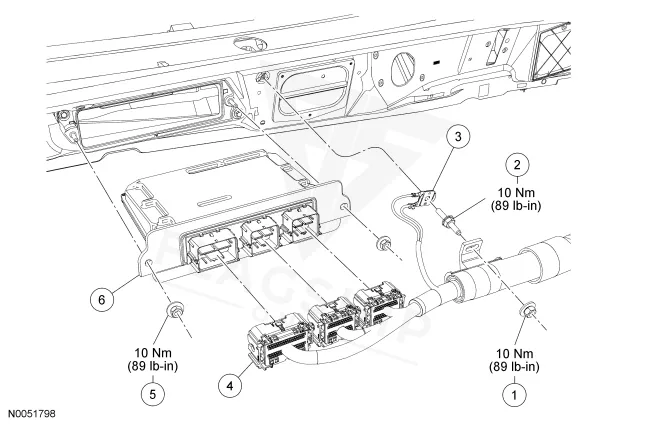
Work with the ignition off, and treat the module as static-sensitive: avoid touching the connector pins at any point.
| Operation | Configuration | Book Time |
|---|---|---|
| Powertrain Control Module R&R | All configurations | 0.5 hr |
| Powertrain Control Module Relearn | All configurations | 0.5 hr |
| Engine Control Module Relearn | All configurations | 0.5 hr |
| Engine Control Module R&R | All configurations | 0.6 hr |
After installing a new PCM in your 2009 Ford Ranger, the factory procedure requires resetting the parameters in both the PCM and the instrument cluster module to prevent a Passive Anti-Theft System no-start condition. This step is mandatory regardless of whether you use a new or refurbished replacement unit. The PATS system must recognize the new module before the engine will start, and this requires matching the security identifiers stored in both control modules. If this parameter reset is not performed, your vehicle may crank normally but will not start, leaving you stranded. The good news is that Flagship One units arrive a VIN-programmed replacement unit that includes your specific vehicle identification number pre-loaded into the module. This means the PATS parameters are already configured for your Ranger before it ships, eliminating the need for dealer programming appointments or specialized tools. You still need to perform the relearn procedure to allow the PCM to optimize its running characteristics for your specific engine, but the initial security programming is handled.
When the Powertrain Control Module begins to fail on your 2009 Ford Ranger, the symptoms often appear suddenly and can be confusing because they mimic failures in other components. The most alarming presentation is a no-start condition where the engine cranks normally but fails to fire, which may indicate that the PCM has lost communication with the PATS system or has suffered an internal fault that prevents fuel injector operation. Intermittent stalling while driving is another common symptom, particularly when the module’s internal circuits overheat during extended operation. Misfire codes such as P0300 through P0304 frequently appear when the PCM can no longer accurately control fuel delivery or ignition timing, and these codes may persist even after replacing spark plugs or ignition coils. A dead scan-tool connection when attempting to communicate with the vehicle is a strong indicator of PCM failure, as the module serves as the gateway for diagnostic communication. Some owners report harsh or unexpected transmission shifting, which occurs because the PCM coordinates shift points and cannot properly execute these commands when its internal programming becomes corrupted. In rare cases, the check engine light may illuminate with codes like P0601, which specifically indicates an internal memory error within the PCM that requires replacement of the module itself.
Your Ranger requires a PCM programmed with the specific VIN and PATS parameters of your vehicle. Units from different model years or engine configurations will not communicate properly with your 2.3L powertrain. Flagship One units are VIN-programmed specifically for your Ranger before shipping.
The physical replacement is straightforward for someone with basic mechanical skills, as the module is accessible in the engine compartment. However, you will need access to a scan tool to perform the relearn procedure after installation. If you are comfortable disconnecting the battery and using basic hand tools, the R&R portion is manageable.
This is a classic PATS anti-theft issue that occurs when the security parameters are not properly configured in both the PCM and instrument cluster. The vehicle may need to be reprogrammed using dealer-grade equipment, or you may need to verify that the replacement unit was pre-programmed with your specific VIN and security identifiers.
Start by connecting a scan tool to see if the module responds. If you cannot communicate with the PCM or if codes like P0601 appear, the module is likely failed. Symptoms like no-start with good spark and fuel, intermittent stalling, and multiple random misfire codes also point toward PCM failure.
The 2009 Ford Ranger is known for reliable powertrains when properly maintained, and a PCM replacement can extend the vehicle’s service life significantly. Given the relatively straightforward replacement process and the availability of pre-programmed units, replacement is often the most practical choice compared to trading in.
When your 2009 Ford Ranger requires a new Powertrain Control Module, you have two primary paths forward: purchasing a new unit from the dealer at significantly higher cost, or selecting a refurbished replacement from a specialty supplier like Flagship One. The refurbished option provides substantial savings while delivering a unit that has been tested and programmed with your specific VIN. This eliminates the need for dealer programming appointments and gets your Ranger back on the road faster. Whether you choose new or refurbished, ensure the unit is specifically matched to the 2.3L engine and your vehicle’s PATS configuration.
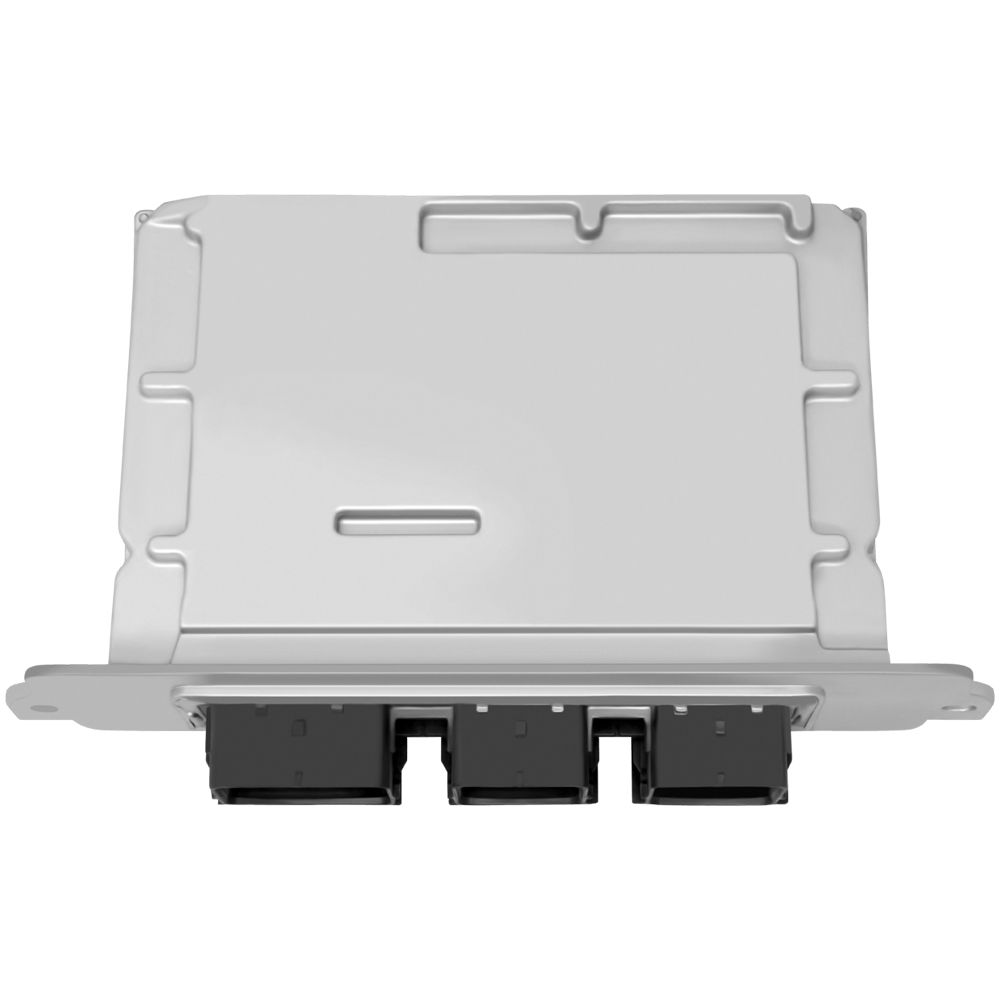
Flagship One stocks a refurbished, VIN-programmed PCM for the 2009 Ford Ranger with a lifetime warranty, free shipping and no core charge. The full Ford Ranger module lineup covers other engine configurations as well.
Your 2009 Ford Ranger depends on a properly functioning Powertrain Control Module to run reliably, and recognizing the symptoms of failure early can save you from being stranded. The good news is that replacement units are readily available and the process is well-documented. Flagship One units arrive VIN-programmed for your specific vehicle, eliminating the most common programming hurdle. Whether you tackle the replacement yourself or leave it to a professional, understanding the process helps ensure your Ranger returns to reliable service.