
Last updated on August 25th, 2026 at 01:13 pm
The Engine Control Module in a 2015 GMC Terrain manages fuel delivery, ignition timing, and emissions controls. When the ECM fails, the vehicle may lose power, trigger multiple fault codes, or refuse to start, requiring removal and replacement of the unit.
When a 2015 GMC Terrain begins to exhibit erratic engine behavior, unexpected warning lights, or a complete loss of power, the Engine Control Module is often the culprit. Understanding how this computer functions, the labor involved in swapping it out, and the programming requirements can help you make an informed decision about repair or replacement. This guide walks you through the module’s role, the steps to access and replace it, the factory reprogramming process, and practical tips to keep the new unit healthy. By the end, you’ll know what to expect from a professional service and how a Flagship One replacement can simplify the process.
In the 2015 GMC Terrain the Engine Control Module monitors sensor inputs and commands actuators to maintain optimal engine performance. It controls fuel injection, spark timing, and emission systems, ensuring the powertrain runs smoothly under all conditions. A malfunction can cause no‑start conditions, rough idle, or loss of driveability, making the module a critical component for reliable operation. The module’s firmware also stores calibration data that must match the vehicle’s VIN, which is why proper programming is essential after any replacement. For those seeking a direct swap, replacement engine modules for Terrain provide a ready‑made solution that fits the original mounting points and electrical connectors.
The Engine Control Module is mounted in the engine compartment, accessible after disconnecting the negative battery cable to protect against electrostatic discharge. Removal requires about 1.5 hours of labor according to the factory book time. Once the connector is secured and the mounting bolts are loosened, the ECM can be taken out without additional torque specifications. Installation follows the same steps in reverse, and after the unit is secured, a 0.5‑hour relearn procedure is performed to synchronize the new module with the vehicle’s systems.
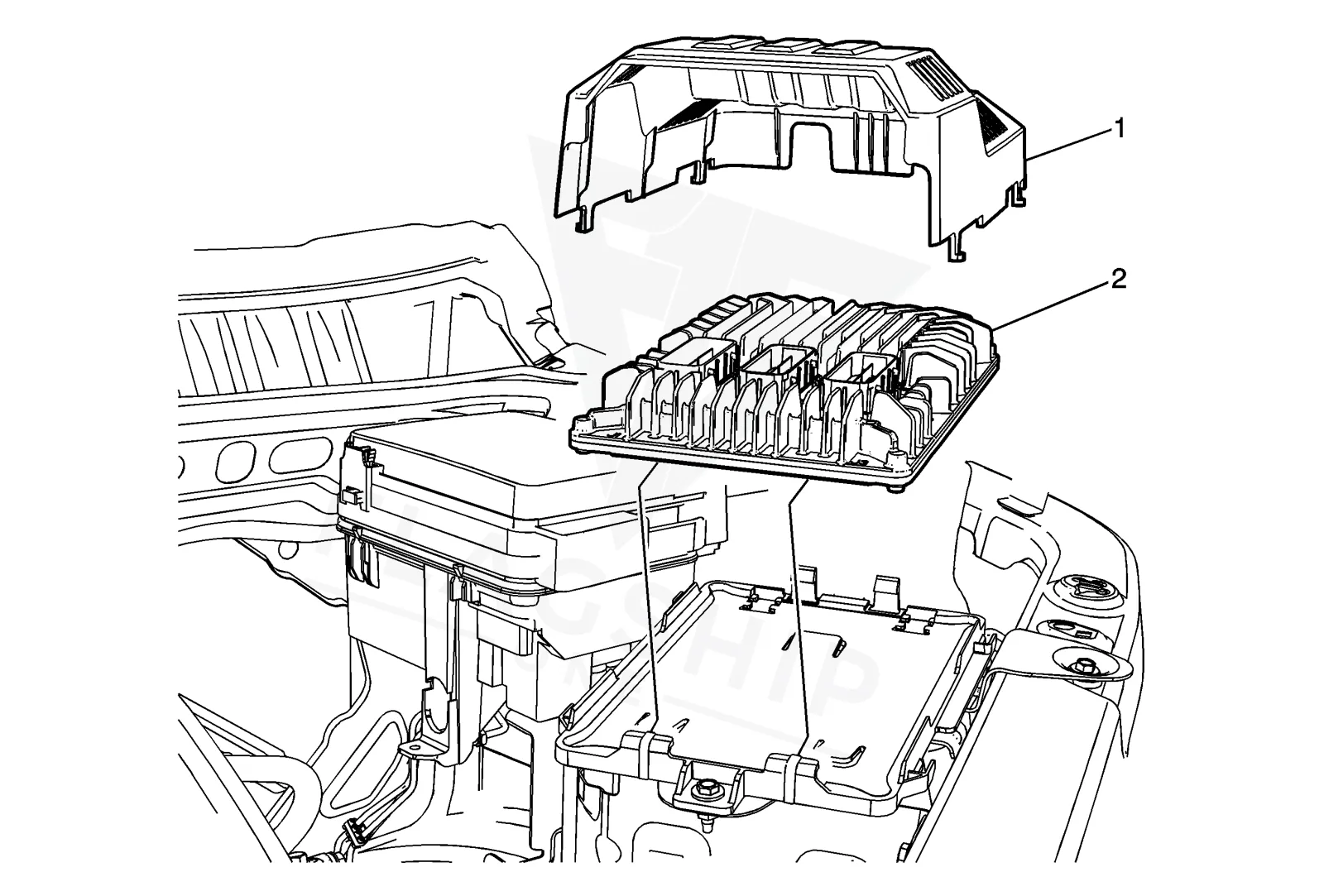
Work with the ignition off, and treat the module as static-sensitive: avoid touching the connector pins at any point.
| Operation | Configuration | Book Time |
|---|---|---|
| Powertrain Control Module R&R | All configurations | 1.5 hr |
| Powertrain Control Module Relearn | All configurations | 0.5 hr |
| Engine Control Module Relearn | All configurations | 0.5 hr |
| Engine Control Module R&R | All configurations | 1.5 hr |
2015 GMC Terrain
OEM programmed ECM for your 2015 GMC Terrain — plug & play, no dealer visit.
Free shipping · Lifetime warranty
After the ECM is installed in a 2015 GMC Terrain, the factory procedure calls for a reprogramming step using the EL‑49642 SPS programming support tool. The technician must first capture the existing ECM data with a scan tool before removal, then apply the updated calibration to the replacement unit. Because Flagship One units arrive VIN‑programmed, the need for the EL‑49642 tool is eliminated, and the replacement is ready for immediate installation. This approach satisfies the requirement to reprogram the ECM while saving time and reducing the chance of error. a VIN-programmed replacement unit ensures the post‑install programming is already completed.
When the ECM in a 2015 GMC Terrain begins to fail, you may notice a complete loss of engine power, intermittent stalling, or a sudden surge of diagnostic trouble codes on the scan tool. Common signs include a non‑responsive throttle, erratic idle, and the check engine light flashing. Specific codes such as code P0601 communication error often appear, indicating internal processor communication issues. In some cases, the vehicle may refuse to shift out of park or display a dead scan‑tool connection, pointing directly to the control module’s loss of function.
The following fault codes are documented for the Engine Control Module in this vehicle:
Service Bulletin #17‑NA‑242, dated July 24 2017, advises technicians about changes to the SPS that restrict reprogramming a module with its current calibration. Bulletin #17‑NA‑086, from March 21 2017, addresses a MIL illumination with DTC P015A set, noting that some owners report the warning lamp being on while the code is present.
| Bulletin | Subject | What It Addresses |
|---|---|---|
| — | Information on Changes to SPS that Warn/Prohibit Reprogramming a Module With Its Current Calibr | — |
| — | Malfunction Indicator Lamp (MIL) Illuminated – DTC P015A Set – (Mar 21, 2017) | Some customers may comment on the Malfunction Indicator Lamp (MIL) illuminated. The Technician may find DTC P015A |
The factory book time lists about 1.5 hours for removal and installation, plus an additional 0.5 hour for the required relearn procedure.
Factory reprogramming uses the EL‑49642 SPS programming support tool, but a Flagship One replacement arrives VIN‑programmed, so no extra tools are required.
Always disconnect the negative battery cable first to prevent any possible electrostatic discharge damage to the module’s connector pins.
Yes, because the ECM communicates with the transmission control module, a faulty engine computer can lead to delayed or harsh shifting.
The factory procedure recommends using a scan tool to record the existing ECM data before the module is removed.
When the ECM in your 2015 GMC Terrain needs attention, you can choose a professional repair that follows the factory reprogramming steps or opt for a refurbished replacement that arrives VIN‑programmed from Flagship One. Both paths restore the vehicle’s performance, but the pre‑programmed option reduces shop time and eliminates the need for the EL‑49642 tool.
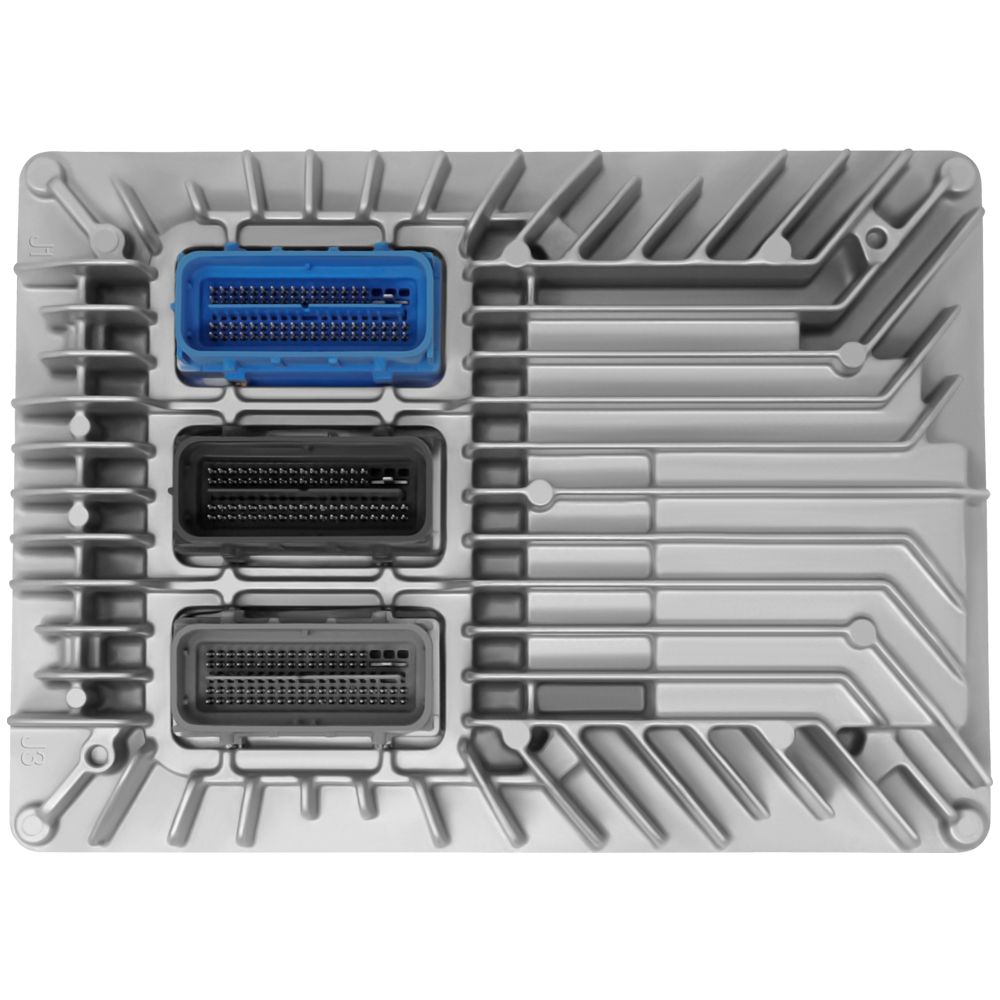
Flagship One stocks a refurbished, VIN-programmed PCM for the 2015 GMC Terrain with a lifetime warranty, free shipping and no core charge. The full GMC Terrain module lineup covers other engine configurations as well.
Replacing the Engine Control Module in a 2015 GMC Terrain restores engine management and eliminates related fault codes. Whether you select a factory‑programmed repair or a Flagship One VIN‑programmed unit, the result is a vehicle that runs as intended. Consider your timing and budget to decide the best approach.