
Last updated on August 25th, 2026 at 01:13 pm
The Powertrain Control Module (PCM) in the 2011 GMC Canyon acts as the brain of the engine and transmission, managing fuel delivery, ignition timing, and emissions systems. Failure may cause drivability issues, no-start conditions, or warning lights on the dashboard.
If your 2011 GMC Canyon is experiencing intermittent no-start conditions, stalling, or warning lights on the dashboard, the Powertrain Control Module (PCM) may be the culprit. This critical component manages engine performance, fuel efficiency, and emissions systems, making it essential for smooth operation. When the PCM fails, it can disrupt communication between sensors and the engine, leading to a range of drivability issues. Replacing the PCM involves careful handling to avoid electrostatic damage and may require programming to ensure compatibility with your vehicle. Understanding the symptoms, replacement process, and preventive measures can help you address the issue efficiently and avoid further complications. This guide covers what the PCM does, how to recognize failure, and the steps involved in replacement and programming for your 2011 GMC Canyon.
The Powertrain Control Module (PCM) in your 2011 GMC Canyon serves as the central command unit for the engine and transmission. It processes data from sensors throughout the vehicle to optimize fuel delivery, ignition timing, and emissions control. Without a functioning PCM, your Canyon may struggle to start, run inefficiently, or even stall unexpectedly. The module also plays a role in diagnosing issues, storing trouble codes that help technicians identify problems. When the PCM fails, it often triggers warning lights on the dashboard and may cause the vehicle to enter a limp mode to protect the engine. Replacing the PCM requires a careful approach to avoid damaging the new unit, and replacement engine computers for the GMC Canyon are designed to restore full functionality. Given its critical role, ensuring the PCM is in good working order is essential for maintaining your vehicle’s performance and reliability.
In the 2011 GMC Canyon, the Powertrain Control Module (PCM) is located near the engine bay, typically secured with a mounting bracket. Replacing the PCM involves disconnecting the battery to prevent electrical damage, then carefully removing the old unit. Factory labor time for PCM removal and replacement is 0.8 hours. Before removing the module, it’s important to disengage the ECM bracket mounting tabs to avoid damaging the unit. The factory also advises against touching the connector pins or soldered components on the circuit board to prevent electrostatic discharge (ESD) damage. Once the old PCM is removed, the new unit can be installed in its place, ensuring all connections are secure. After installation, a relearn procedure may be required, which typically takes an additional 0.5 hours of labor time.
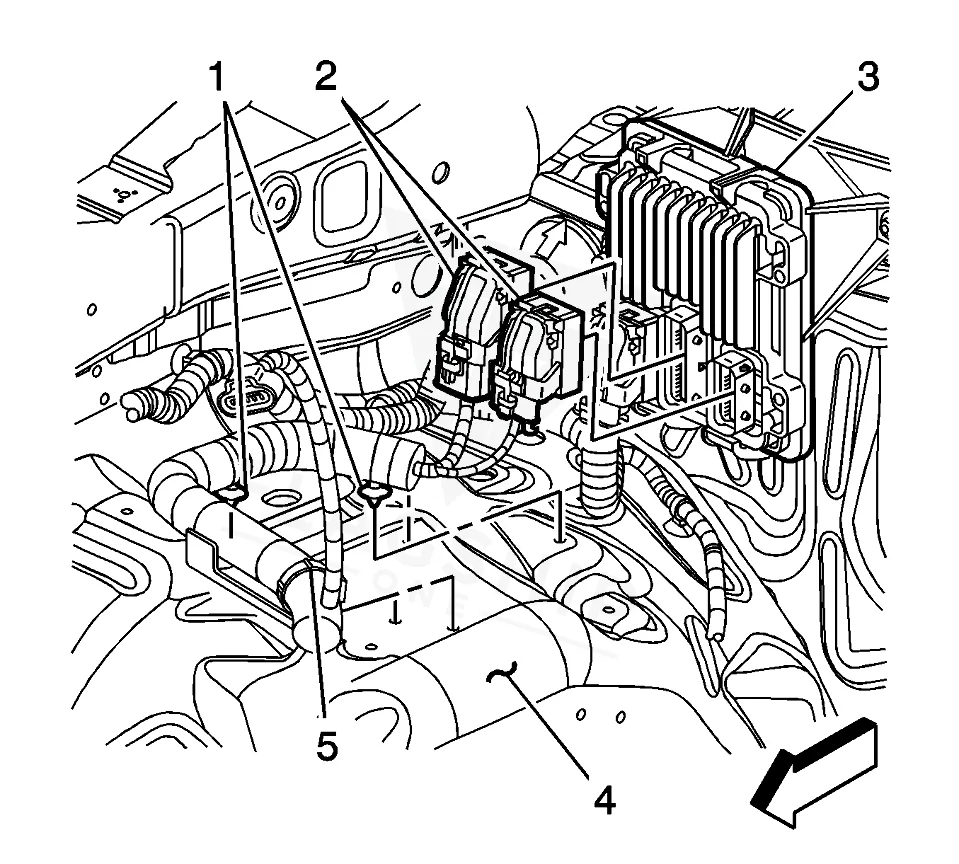
Work with the ignition off, and treat the module as static-sensitive: avoid touching the connector pins at any point.
| Operation | Configuration | Book Time |
|---|---|---|
| Powertrain Control Module R&R | All configurations | 0.8 hr |
| Powertrain Control Module Relearn | All configurations | 0.5 hr |
| Engine Control Module Relearn | All configurations | 0.5 hr |
| Engine Control Module R&R | All configurations | 0.8 hr |
2011 GMC Canyon
OEM programmed ECM for your 2011 GMC Canyon — plug & play, no dealer visit.
Free shipping · Lifetime warranty
After replacing the Powertrain Control Module (PCM) in your 2011 GMC Canyon, the factory procedure requires reprogramming the new unit to ensure it communicates correctly with the vehicle’s systems. This process involves using specialized equipment and the correct calibration software for your Canyon. However, if you opt for a VIN-programmed replacement unit, these steps are already completed before the module arrives. This eliminates the need for post-install programming, saving time and reducing the risk of compatibility issues. The factory also recommends capturing ECM data with a scan tool before removing the old module to preserve vehicle-specific settings. While the labor time for a relearn procedure is 0.5 hours, choosing a pre-programmed unit streamlines the process and ensures your Canyon is back on the road faster.
A failing Powertrain Control Module (PCM) in your 2011 GMC Canyon may cause a variety of symptoms that can disrupt your driving experience. One of the most common signs is a no-start condition, where the engine cranks but fails to turn over. You may also notice intermittent stalling, especially at idle or during acceleration, which can be dangerous if it occurs in traffic. Warning lights on the dashboard, such as the check engine light or service messages, are another indication of PCM issues. In some cases, the vehicle may enter a limp mode, limiting engine power to prevent further damage. Trouble codes like internal control module memory check sum error often appear during a scan, signaling a problem with the PCM’s internal memory or processing. Other symptoms may include poor fuel economy, rough idling, or transmission shifting problems. If you experience any of these issues, it’s important to diagnose the problem promptly to avoid further complications.
The 2011 GMC Canyon’s Powertrain Control Module (PCM) may store specific trouble codes when it experiences internal failures. These codes help technicians pinpoint the issue and determine whether the PCM needs replacement or reprogramming. Below are the documented module-internal trouble codes for this vehicle.
Factory service bulletin #09-06-03-004 (updated as #09-06-03-004E) addresses intermittent no-crank/no-start conditions, warning lights, and communication errors in the 2011 GMC Canyon. The bulletin notes that customers may report issues such as malfunction indicator lamp (MIL) illumination, service messages, or trouble codes set by various control modules. The root cause is often fretting corrosion in the connectors, which disrupts electrical signals. The recommended repair involves disconnecting the affected connector, cleaning it, and applying dielectric lubricant to prevent future corrosion. Technicians may struggle to duplicate the intermittent condition, making diagnosis challenging without a thorough inspection of the connectors.
| Bulletin | Subject | What It Addresses |
|---|---|---|
| 09-06-03-004 | Intermittent No Crank/No Start, No Module Communication, MIL, Warning Lights, Vehicle Messages | Some customers may comment on any of the following conditions: An intermittent no crank/no start Intermittent malfunction indicator lamp (MIL) illumination… |
Common signs of a failing PCM include a no-start condition, intermittent stalling, warning lights on the dashboard, or trouble codes like P0601. If your vehicle struggles to start or runs poorly, a scan tool can help identify whether the PCM is the issue.
While it’s possible to replace the PCM yourself, it requires careful handling to avoid electrostatic damage. The factory also recommends capturing ECM data before removal and performing a relearn procedure afterward, which may require specialized tools.
Factory labor time for PCM removal and replacement is 0.8 hours. An additional 0.5 hours is typically required for the relearn procedure to ensure the new module communicates correctly with the vehicle’s systems.
The PCM must be programmed to match your vehicle’s specific settings, including fuel maps, transmission calibrations, and emissions controls. Without programming, the new module may not function correctly or communicate with other systems.
To protect the PCM, maintain a healthy charging system, keep electrical connections clean and secure, and avoid voltage spikes from jump-starting. Addressing warning lights and trouble codes promptly can also help prevent further damage.
If your 2011 GMC Canyon is experiencing PCM-related issues, you have options for repair or replacement. While some drivers opt for a refurbished unit to save costs, a new or VIN-programmed replacement ensures compatibility and reliability. Given the critical role of the PCM in engine performance, choosing a unit that’s ready to install can save time and reduce the risk of further complications. Whether you’re dealing with a no-start condition or intermittent stalling, addressing the issue promptly can restore your Canyon’s drivability.
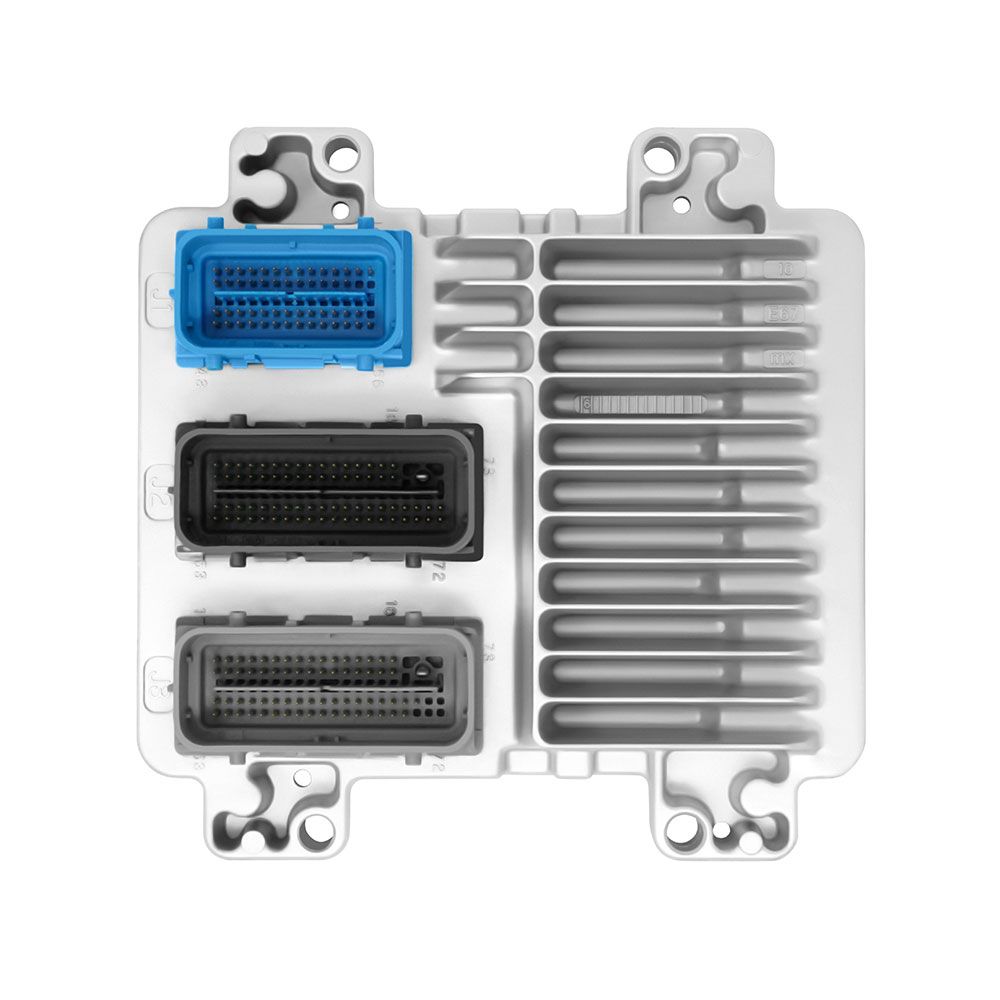
Flagship One stocks a refurbished, VIN-programmed PCM for the 2011 GMC Canyon with a lifetime warranty, free shipping and no core charge. The full GMC Canyon module lineup covers other engine configurations as well.
The Powertrain Control Module (PCM) is a vital component in your 2011 GMC Canyon, managing engine performance and transmission functions. Recognizing the symptoms of failure, such as no-start conditions or warning lights, can help you address issues before they worsen. Replacing the PCM involves careful handling and may require programming, but opting for a VIN-programmed unit simplifies the process. By following preventive measures and addressing problems promptly, you can keep your Canyon running smoothly for years to come.