
Last updated on August 25th, 2026 at 12:14 pm
The engine control module manages fuel and spark delivery in the 2008 GMC Canyon effectively. Internal failures often trigger drivability concerns or complete no-start conditions for owners. Understanding these specific signs helps you diagnose computer faults accurately before purchasing replacement hardware for the truck.
Dealing with engine computer issues in your truck can feel overwhelming without clear guidance. This guide explains the replacement process for the 2008 GMC Canyon specifically. You will learn about labor expectations, necessary precautions, and programming requirements. Understanding these details helps you prepare for a successful repair job. Many owners encounter similar challenges when the module fails unexpectedly. Proper diagnosis ensures you replace the correct component without unnecessary steps. We cover safety measures to protect sensitive electronics during handling. You also gain insight into factory procedures that affect installation. This information empowers you to make informed decisions about your vehicle. Reading this content prepares you for discussions with service providers. You will know what questions to ask regarding data retention. Our goal is providing neutral facts for your repair scenario. Technicians often see confusion around relearn procedures and data capture. Knowing the book time helps estimate shop labor costs accurately. You should verify if your specific engine needs special calibration steps. Attention to detail prevents common errors during the swap process.
The engine control module serves as the brain for your 2008 GMC Canyon engine management system. It processes sensor inputs to regulate fuel injection and ignition timing precisely. Without this component, the vehicle cannot operate correctly or efficiently. Failures here often lead to significant drivability problems for drivers. You rely on this computer to maintain emissions compliance and performance. When it malfunctions, various systems may stop communicating properly. Replacement units must match the original specifications for your truck. Searching for replacement engine computers for the Canyon ensures compatibility with your specific model year. The module monitors critical functions like idle speed and throttle response. Damage to internal circuits can cause intermittent issues or total failure. Electrostatic discharge poses a risk during handling of the circuit board. Proper grounding protects the sensitive components from invisible electrical damage. You should treat the hardware with care throughout the removal process. Understanding its role clarifies why programming is essential after installation. The computer stores adaptive learning data unique to your driving habits. Restoring this information helps the engine run smoothly again. Neglecting this step may result in poor performance or stalling. Always follow manufacturer guidelines when working with electronic control units. This approach minimizes risks associated with complex automotive electronics. Professional tools are required to interface with the system securely. Data integrity remains crucial for long-term reliability of the repair.
2008 GMC Canyon
OEM programmed ECM for your 2008 GMC Canyon — plug & play, no dealer visit.
Free shipping · Lifetime warranty
The module is typically mounted within the engine compartment protected by a bracket. Removal involves disengaging the ECM bracket mounting tabs carefully. You must avoid damaging the connectors during this physical process. Book guides allocate 0.8 hours for removing and installing the powertrain control module. Another 0.8 hours applies specifically to the engine control module removal task. Relearn procedures require additional time according to standard labor guides. Technicians spend 0.5 hours on the powertrain control module relearn process. The engine control module relearn also takes 0.5 hours to complete properly. Accessing the unit requires careful manipulation of surrounding components. You should disconnect the battery before starting any electrical work. This prevents short circuits that could damage other vehicle systems. Secure mounting ensures the computer survives vibration and heat exposure. Check all connections before finalizing the installation steps.
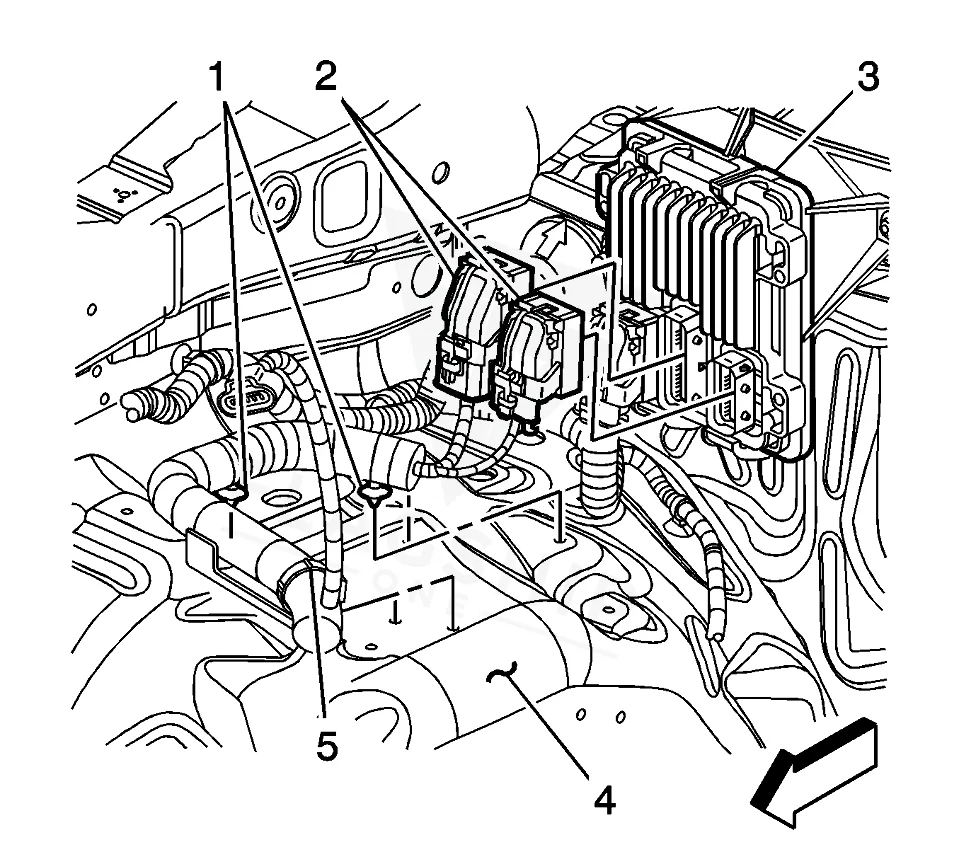
Work with the ignition off, and treat the module as static-sensitive: avoid touching the connector pins at any point.
| Operation | Configuration | Book Time |
|---|---|---|
| Powertrain Control Module R&R | All configurations | 0.8 hr |
| Powertrain Control Module Relearn | All configurations | 0.5 hr |
| Engine Control Module Relearn | All configurations | 0.5 hr |
| Engine Control Module R&R | All configurations | 0.8 hr |
Factory procedures mandate capturing ECM data with a scan tool before removal. This captured information must be restored into the new ECM subsequently. Special equipment is required to reprogram the ECM correctly. The correct program and calibration for the vehicle are necessary. Using a VIN-programmed replacement unit eliminates the need for these complex steps. Flagship One units arrive ready for installation without additional coding. You save time by avoiding the data transfer procedure entirely. This reduces the risk of errors during the programming phase. Standard modules require specific software to function in your truck. Without proper calibration, the engine may not start or run well. Ensuring the software matches your vehicle configuration is vital. Professional shops have the tools to perform these tasks if needed. However, pre-programmed options simplify the repair process significantly. You avoid dependency on specialized diagnostic equipment for activation. This streamlines the return to normal operation for your vehicle.
Common signs of failure include no-start conditions or unexpected stalling while driving. You might experience rough idling or hesitation during acceleration events. Misfire codes often appear when the computer cannot control spark correctly. Shifting issues may occur if transmission data is affected by the fault. Dead scan-tool communication indicates a complete loss of module function. Specific internal faults like internal memory malfunction code suggest hardware corruption. These errors point to problems within the computer itself rather than sensors. Intermittent power loss can happen without warning signs beforehand. Check engine lights may illuminate frequently without obvious external causes. Fuel economy often suffers when the module operates in limp mode. You might notice delayed throttle response during normal driving conditions. Electrical glitches can cause accessories to behave erratically as well. Addressing these symptoms promptly prevents further damage to related systems. Ignoring warning signs often leads to more expensive repairs later. Diagnostic scans help isolate the computer from other potential issues. Testing voltage and grounds confirms the power supply is stable. If power is good, the module itself is likely the culprit.
Several internal trouble codes are documented for this specific vehicle model. These codes indicate failures within the computer hardware itself. Reviewing them helps confirm the need for replacement rather than repair. The list includes various memory and processor fault indicators. Technicians use these identifiers to pinpoint the exact internal failure.
Factory service information includes bulletin PIP4361B dated June 12, 2008. This document addresses intermittent service engine lights due to specific diagnostic trouble codes. Codes P013B and P0411 are linked to this condition specifically. The recommended solution involves reprogramming the ECM to update the software. This bulletin highlights a known issue affecting this model year. Following the factory guidance ensures the repair meets original standards. Owners should verify if their vehicle falls under this service campaign. Reprogramming may resolve the issue without hardware replacement in some cases. However, internal hardware failures still require physical module substitution. Checking this bulletin helps rule out software-related causes first.
| Bulletin | Subject | What It Addresses |
|---|---|---|
| — | Intermittent SES Light due to DTCs P013B and or P0411 DTC – Reprogram ECM – (Jun 12, 2008) | — |
Driving is not recommended as stalling may occur unexpectedly. Safety risks increase if the engine loses power while moving. Replace the module promptly to restore reliable operation.
Factory units need data capture and restoration using special tools. Pre-programmed options remove this requirement for the vehicle owner. Verify the unit status before beginning installation work.
Heat, vibration, and electrical surges often damage internal circuits. Moisture intrusion through seals can also corrode components over time. Proper maintenance helps extend the life of the computer.
Book time suggests 0.8 hours for physical removal and installation. Additional time applies for programming if using a non-programmed unit. Total shop time varies based on technician experience and tools.
Avoid touching connector pins to prevent electrostatic discharge damage. Disengage bracket mounting tabs carefully during the removal process. Protect the circuit board from physical contact at all times.
Choosing between repair and refurbished replacement depends on your specific situation. Refurbished units offer a balance of cost and reliability for many owners. You avoid the uncertainty of repairing old circuit boards internally. Consider the labor savings of a plug-and-play solution for your truck. This option simplifies the process compared to sourcing programming equipment.
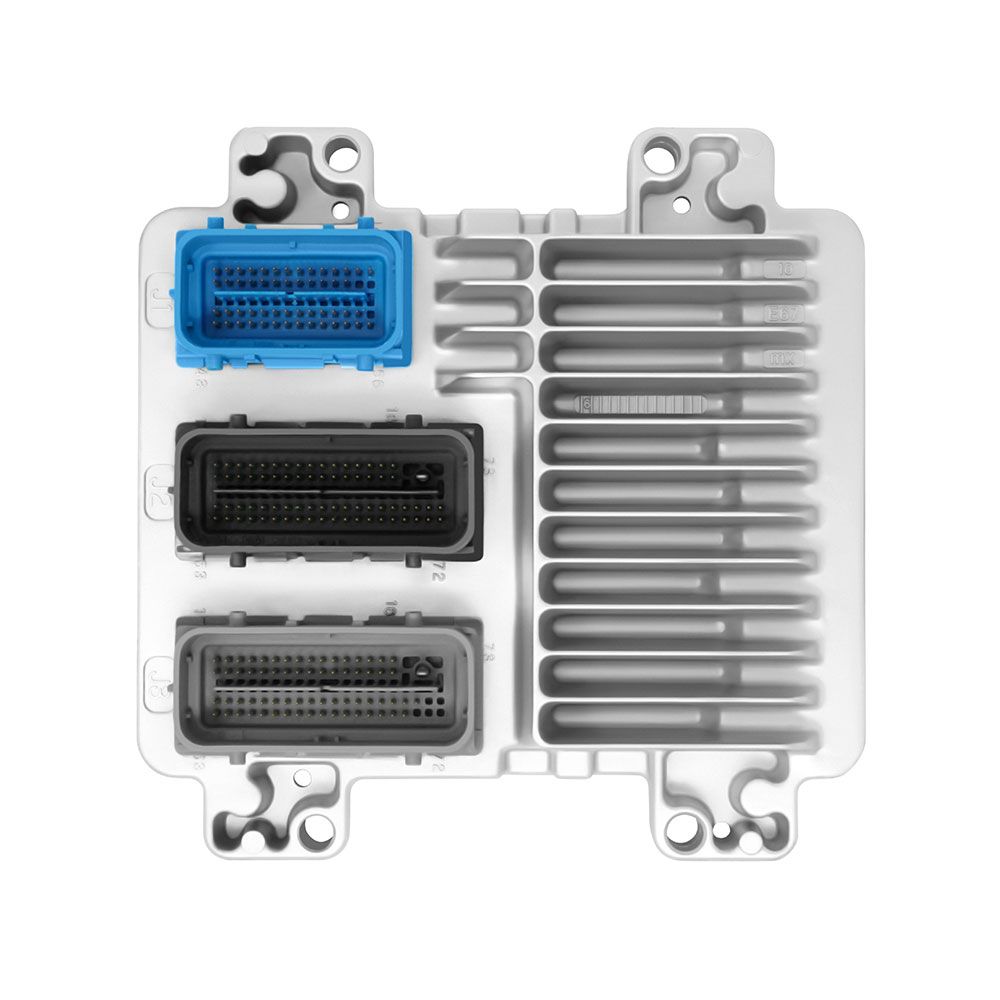
Flagship One stocks a refurbished, VIN-programmed PCM for the 2008 GMC Canyon with a lifetime warranty, free shipping and no core charge. The full GMC Canyon module lineup covers other engine configurations as well.
Replacing the computer in your 2008 GMC Canyon requires attention to detail. Following factory cautions protects the new hardware from preventable damage. You ensure longevity by adhering to proper installation and handling steps. Contact us for more information on compatible replacement options today.