
Last updated on August 25th, 2026 at 01:13 pm
In the 2009 GMC Canyon the Powertrain Control Module manages engine and transmission commands, translating sensor data into fuel, spark and shift actions. A failure typically disrupts communication, triggers internal fault codes and can cause loss of power, rough idle or no‑start conditions. Replacing the PCM restores the vehicle’s electronic control logic.
When a 2009 GMC Canyon begins to exhibit erratic engine behavior, stalling or loss of power, the underlying cause often points to the Powertrain Control Module. This electronic brain coordinates fuel delivery, ignition timing and transmission shifting, and any disruption can quickly manifest as drivability issues. Understanding how the PCM functions, where it sits, and what steps are required after a swap helps you avoid unnecessary downtime. This guide walks you through the module’s role, the safe removal process, the required relearn procedures, and how a Flagship One replacement can simplify the job, giving you confidence that your Canyon will return to reliable operation.
The Powertrain Control Module in the 2009 GMC Canyon serves as the central processor for engine and transmission commands, interpreting inputs from dozens of sensors to control fuel injection, spark timing and shift points. It stores calibration data specific to the vehicle’s engine, transmission and emissions requirements, making it essential for meeting performance and regulatory standards. When the PCM fails, the engine may run rough, stall or refuse to start, and the transmission may shift harshly or not at all. Proper operation ensures smooth power delivery and fuel efficiency, and any fault often triggers internal diagnostic codes. The module’s integrity is protected by a factory caution that warns against touching connector pins or soldered components to avoid electrostatic discharge damage, emphasizing the need for careful handling during service. For owners seeking a direct swap, replacement PCM for the Canyon provides a clear path to restoring functionality without extensive reprogramming.
2009 GMC Canyon
OEM programmed ECM for your 2009 GMC Canyon — plug & play, no dealer visit.
Free shipping · Lifetime warranty
The PCM in the 2009 GMC Canyon is mounted behind the engine compartment, secured by an ECM bracket that includes mounting tabs. To remove the unit, first disconnect the battery and then disengage the bracket tabs, taking care not to disturb the connector pins as advised by the factory caution. Once the brackets are released, the module can be pulled free, allowing access to the wiring harness. Labor times from the service book list 0.8 hours for the Powertrain Control Module removal and replacement, reflecting the straightforward nature of the task when the bracket tabs are properly disengaged. Reinstalling the PCM follows the reverse order, ensuring the connector is seated fully and the bracket tabs are re‑engaged to secure the module in place.
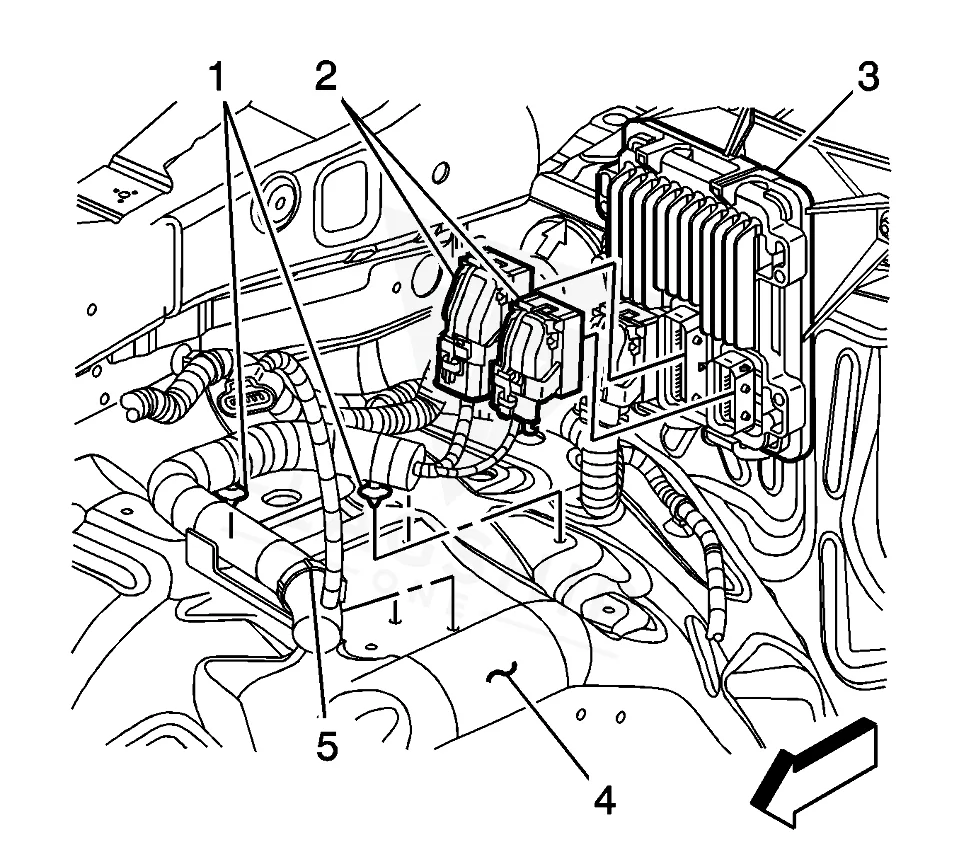
Work with the ignition off, and treat the module as static-sensitive: avoid touching the connector pins at any point.
| Operation | Configuration | Book Time |
|---|---|---|
| Powertrain Control Module R&R | All configurations | 0.8 hr |
| Powertrain Control Module Relearn | All configurations | 0.5 hr |
| Engine Control Module Relearn | All configurations | 0.5 hr |
| Engine Control Module R&R | All configurations | 0.8 hr |
After installing a new PCM in the 2009 GMC Canyon, the factory procedure requires a Powertrain Control Module relearn that takes 0.5 hours, followed by a separate Engine Control Module relearn of another 0.5 hours. Additionally, the ECM itself must be re‑learned for 0.5 hours, and the ECM removal includes a 0.8 hour labor step. Flagship One supplies a VIN-programmed replacement unit that arrives already calibrated to your vehicle’s specifications, so these relearn steps are already completed, eliminating the need for on‑site programming and reducing the risk of post‑install errors.
When the PCM in a 2009 GMC Canyon develops internal faults, owners may notice a no‑start condition, intermittent stalling, rough idle, or unexpected transmission shifting. Diagnostic scans often reveal internal fault codes such as PCM internal failure P0601, indicating a problem with the module’s internal circuitry. Additional signs can include loss of communication with the scan tool, erratic sensor readings, or the illumination of the check engine light accompanied by codes like P0602 through P1621. These symptoms typically arise because the PCM can no longer process sensor inputs correctly, leading to reduced engine performance or complete shutdown.
The following internal trouble codes have been documented for the 2009 GMC Canyon and may appear when the PCM encounters a fault:
The replacement process is relatively straightforward, involving disconnecting the battery, disengaging the ECM bracket tabs, and swapping the module. However, you must follow the factory caution about avoiding contact with connector pins and complete the required relearn procedures unless you use a VIN‑programmed unit.
The factory calls for a 0.5 hour relearn for the Powertrain Control Module and another 0.5 hour relearn for the Engine Control Module after installation. These steps calibrate the new module to the vehicle’s existing sensors and parameters.
Code P0601 indicates an internal failure within the PCM itself, often resulting from electrical damage or component wear. It signals that the module cannot perform its processing functions correctly.
Flagship One units arrive VIN‑programmed, meaning the factory’s relearn steps are already completed, so no additional on‑site coding is required.
The service guide lists 0.8 hours for PCM removal and replacement, and 0.5 hours each for the PCM and ECM relearn procedures.
When your 2009 GMC Canyon experiences PCM issues, you can choose to have the original module repaired or install a refurbished replacement. Both options restore the vehicle’s electronic control functions, but a Flagship One unit arrives pre‑programmed to match your VIN, eliminating the need for post‑install coding and saving you time in the shop.
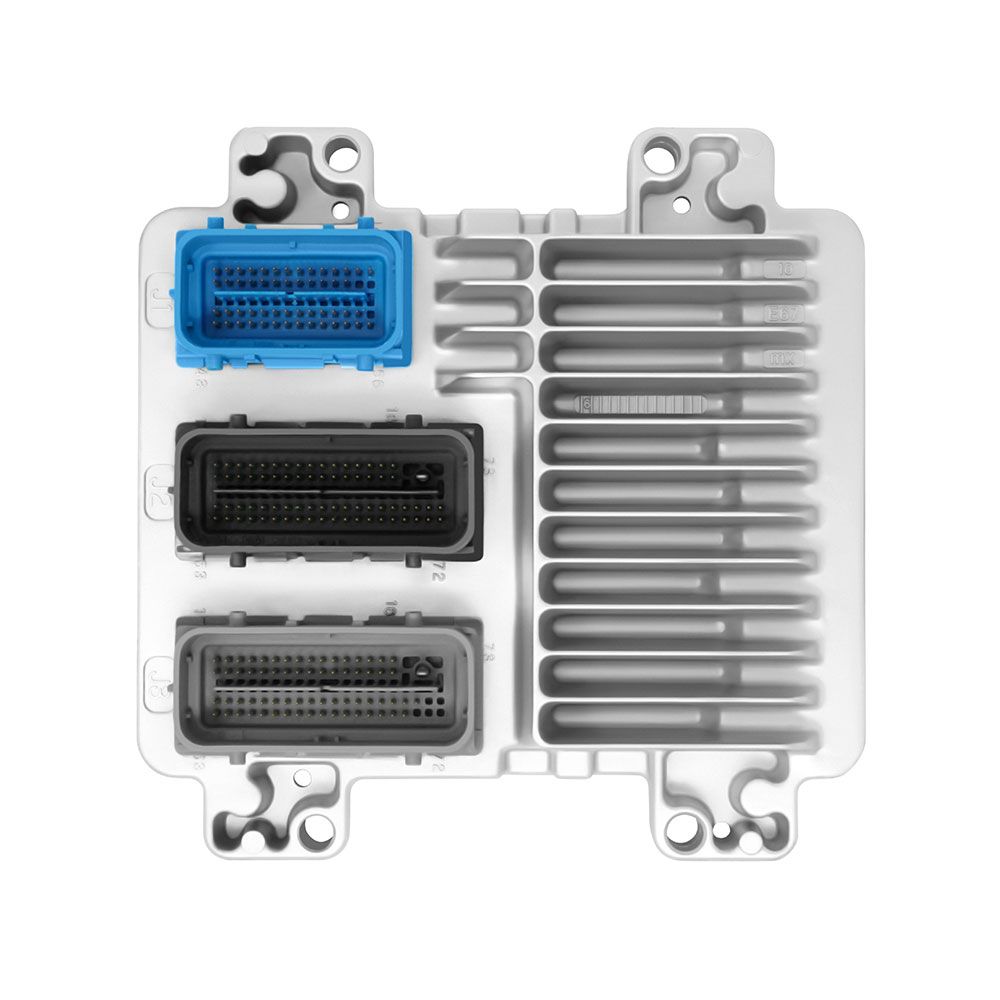
Flagship One stocks a refurbished, VIN-programmed PCM for the 2009 GMC Canyon with a lifetime warranty, free shipping and no core charge. The full GMC Canyon module lineup covers other engine configurations as well.
Addressing PCM problems in your 2009 GMC Canyon promptly helps maintain reliable performance and fuel efficiency. Whether you opt for a repaired original or a Flagship One replacement, the right choice ensures the vehicle runs as intended.