
Last updated on August 25th, 2026 at 01:27 pm
The powertrain control module (PCM) or engine control module (ECM) in your 2010 GMC Canyon manages fuel delivery, ignition timing, and emissions systems. Failures may cause erratic engine behavior, no-start conditions, or persistent trouble codes related to internal memory or processor faults.
If your 2010 GMC Canyon has been hesitating, stalling, or refusing to start, the issue may stem from the powertrain control module (PCM) or engine control module (ECM). This small but critical computer manages everything from fuel injection to ignition timing, ensuring the 2.9L engine runs smoothly. When it fails, symptoms can range from subtle drivability issues to complete engine shutdown. Replacing the module isn’t just about swapping parts—it involves careful handling to avoid damage, followed by a relearn procedure to sync the new unit with your vehicle’s systems. Understanding the process helps you avoid unnecessary repairs and ensures the job is done correctly the first time. Whether you’re diagnosing a persistent trouble code or preparing for a replacement, knowing what to expect can save time and frustration.
In your 2010 GMC Canyon, the powertrain control module (PCM) and engine control module (ECM) function as the brain of the engine, continuously monitoring and adjusting performance parameters. This module processes data from sensors throughout the vehicle to optimize fuel efficiency, reduce emissions, and maintain smooth operation. For example, it adjusts ignition timing based on engine load and throttle position, ensuring the 2.9L engine delivers consistent power. When the module malfunctions, you may experience rough idling, poor acceleration, or even a no-start condition. The PCM also interacts with the transmission control system, so issues here can sometimes mimic transmission problems. If replacement becomes necessary, you’ll need replacement engine computers for the GMC Canyon that are pre-programmed to match your vehicle’s specifications. Without proper calibration, the new module won’t communicate effectively with the engine’s sensors, leading to further drivability issues.
2010 GMC Canyon 2.9L
OEM programmed ECM for your 2010 GMC Canyon 2.9L — plug & play, no dealer visit.
Free shipping · Lifetime warranty
The PCM/ECM in your 2010 GMC Canyon is located near the engine bay, typically mounted on the firewall or inner fender. Accessing it requires removing the bracket mounting tabs carefully to avoid damaging the module or its connectors. The factory labor guide allocates 0.8 hours for removal and replacement, which includes disconnecting the battery, unplugging the wiring harness, and reinstalling the new unit. After installation, the module must be secured with the original bracket to prevent vibration or moisture intrusion. The factory cautions against touching the connector pins or circuit board components directly, as electrostatic discharge can permanently damage the sensitive electronics inside. Always handle the module by its edges or casing to minimize risk.
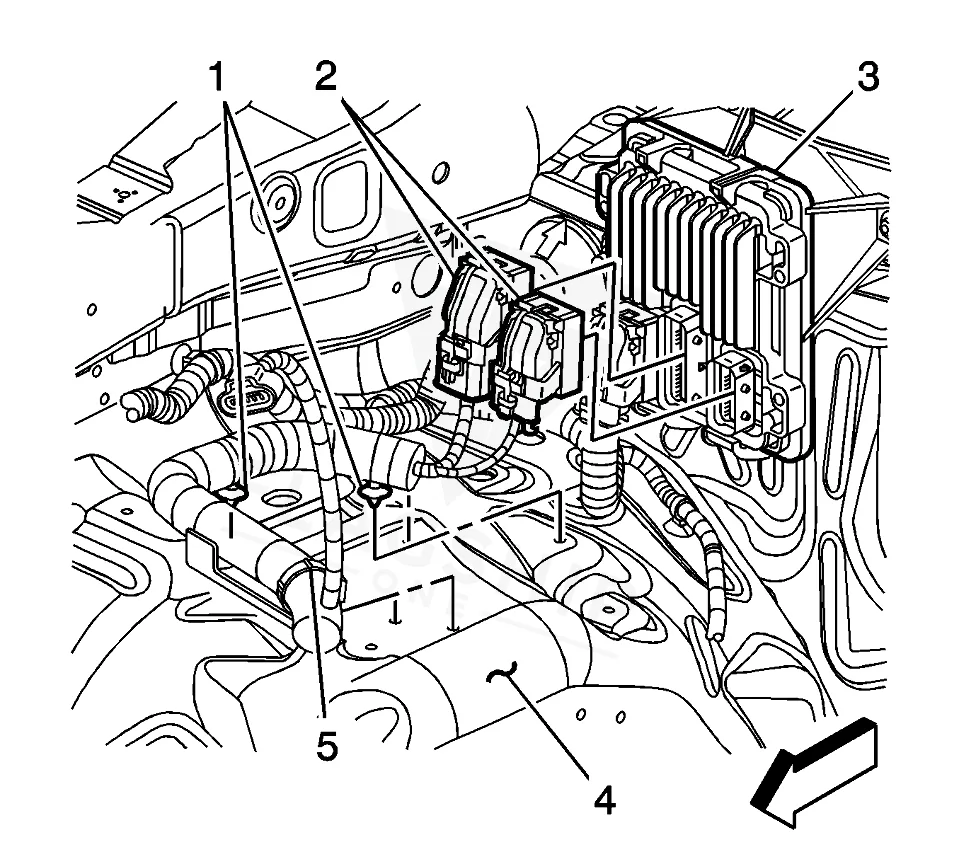
Work with the ignition off, and treat the module as static-sensitive: avoid touching the connector pins at any point.
| Operation | Configuration | Book Time |
|---|---|---|
| Powertrain Control Module R&R | All configurations | 0.8 hr |
| Powertrain Control Module Relearn | All configurations | 0.5 hr |
| Engine Control Module Relearn | All configurations | 0.5 hr |
| Engine Control Module R&R | All configurations | 0.8 hr |
After replacing the PCM/ECM in your 2010 GMC Canyon, the factory procedure requires a relearn process to synchronize the new module with the vehicle’s systems. This typically involves using a scan tool to perform an engine control module relearn, which takes about 0.5 hours. The process ensures the module recognizes the engine’s sensors and adapts to the vehicle’s specific calibration. However, if you install a VIN-programmed replacement unit, these steps are already completed, saving you time and reducing the risk of programming errors. Without proper programming, the new module may not communicate with the engine or transmission, leading to poor performance or even a no-start condition. Always verify that the replacement module matches your vehicle’s VIN to avoid compatibility issues.
When the PCM/ECM in your 2010 GMC Canyon begins to fail, you may notice a range of symptoms that can mimic other issues. Common signs include intermittent stalling, especially at idle or during deceleration, as the module struggles to maintain consistent fuel delivery. The engine may also hesitate or jerk during acceleration, indicating timing or fuel mixture problems. In some cases, the vehicle may fail to start altogether, leaving you stranded. Onboard diagnostics often reveal internal module codes like control module memory checksum error, which point to faults within the module’s memory or processor rather than external sensors. Other symptoms may include erratic shifting if the module’s communication with the transmission control system is disrupted. Dead scan tool communication is another red flag, as the module may fail to respond to diagnostic requests. If you experience any of these issues, it’s worth checking for trouble codes before assuming the problem lies elsewhere.
The 2010 GMC Canyon’s PCM/ECM can log several internal trouble codes when it experiences faults. These codes typically indicate issues with the module’s memory, processor, or communication circuits rather than external sensor failures.
A weak or improperly charged battery can cause voltage fluctuations that disrupt the PCM/ECM’s operation. After battery replacement, the module may need a relearn procedure to recalibrate its settings. If stalling persists, check for trouble codes or inspect the module’s connections for corrosion.
Yes, a failing PCM/ECM can cause misfires by sending incorrect signals to the ignition or fuel injection systems. This may result in rough idling, poor acceleration, or even a no-start condition. If misfire codes appear alongside internal module codes, the PCM/ECM may be the root cause.
Internal module codes like P0601 or P0603 typically indicate a PCM/ECM fault, while sensor-related codes point to external issues. If the scan tool fails to communicate with the module, the problem is likely internal. Always check for codes before assuming a sensor is faulty.
Without the relearn procedure, the new module may not communicate properly with the engine’s sensors or transmission. This can lead to poor performance, erratic shifting, or even a no-start condition. The relearn process ensures the module adapts to your vehicle’s specific calibration.
While the vehicle may still run, driving with a P0601 code can lead to further drivability issues or even a sudden shutdown. The code indicates an internal memory fault, which may worsen over time. Addressing it promptly can prevent more costly repairs.
If your 2010 GMC Canyon is experiencing persistent PCM/ECM-related issues, you have options for repair or replacement. A refurbished or new module can restore proper engine function, but it must be programmed to your vehicle’s VIN to avoid compatibility problems. Consider whether a dealer visit or a pre-programmed replacement unit makes more sense for your situation, as each has its own benefits and costs.
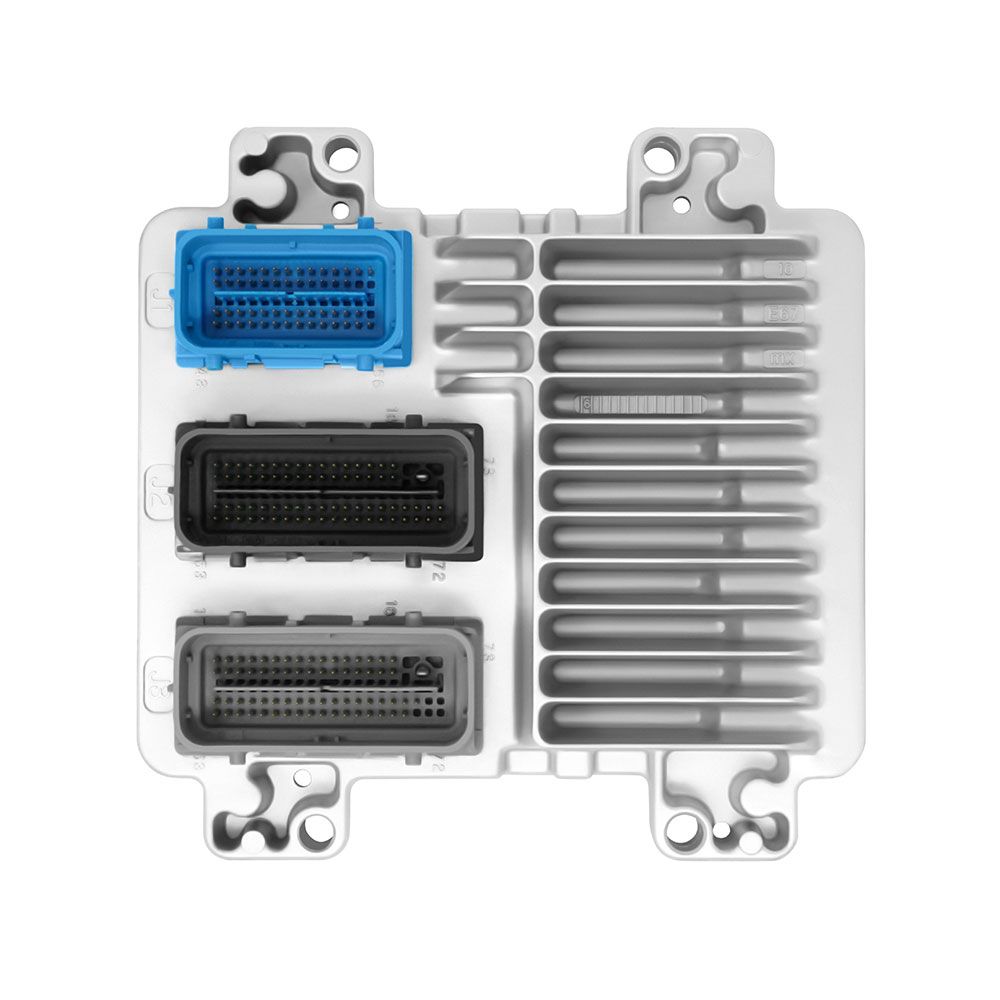
Flagship One stocks a refurbished, VIN-programmed PCM for the 2010 GMC Canyon with a lifetime warranty, free shipping and no core charge. The full GMC Canyon module lineup covers other engine configurations as well.
The PCM/ECM in your 2010 GMC Canyon plays a critical role in engine performance, and addressing issues promptly can save you from more extensive repairs. Whether you’re diagnosing a trouble code or preparing for a replacement, understanding the process ensures a smoother experience. If replacement is necessary, opting for a pre-programmed unit can simplify the job and get you back on the road faster.