Experiencing stalling or no-start issues in your 1999 Plymouth Voyager? Learn how a faulty PCM causes these symptoms and how replacement resolves them.
Post
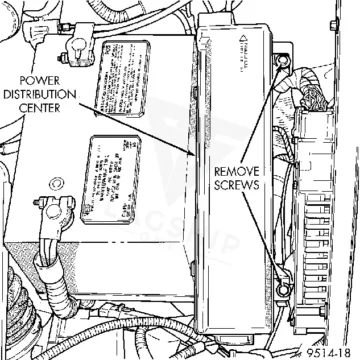

Experiencing stalling or no-start issues in your 1999 Plymouth Voyager? Learn how a faulty PCM causes these symptoms and how replacement resolves them.
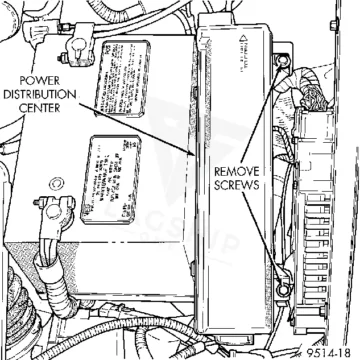
Solve no-start or stalling issues in your 1998 Plymouth Voyager. Replacing the PCM requires care to avoid data loss and restore engine performance.
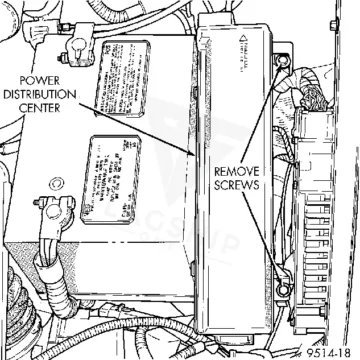
If your 1997 Plymouth Voyager shows a MIL or stalling, the PCM/ECM may need relearn or replacement. Learn how to troubleshoot and avoid costly repairs.
If your 1992 Plymouth Voyager shows no‑start or shifting problems, beware of ECM/PCM failure. Learn the risks, repair steps, and how a proper replacement restores engine and transmission control.
Diagnosing and replacing your 2010 Chrysler Voyager's PCM? Learn common failure symptoms, programming requirements, and why VIN-programmed units simplify installation.
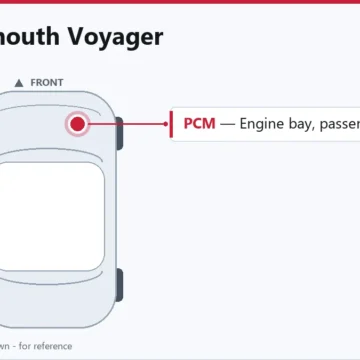
If your 2000 Plymouth Voyager shows no response from the TCM, beware of scan‑tool issues. Proper reprogramming can restore function and prevent drivability loss.
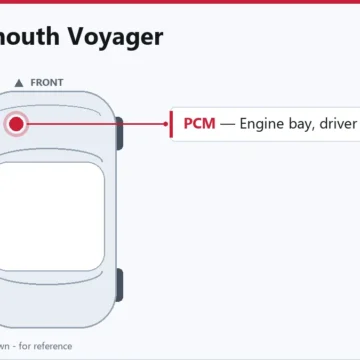
If your 1995 Plymouth Voyager shows no‑start or erratic shifting, learn the risks and how a proper PCM/ECM replacement can restore performance.
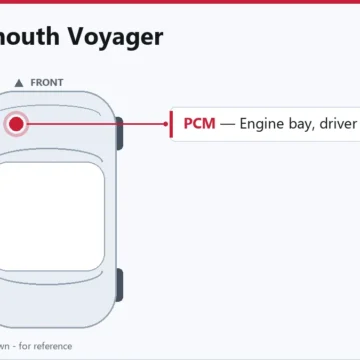
A no-start or stalling 1994 Plymouth Voyager may point to PCM failure. This guide covers replacement, the required relearn procedure, and programming options for the 2.5L model.
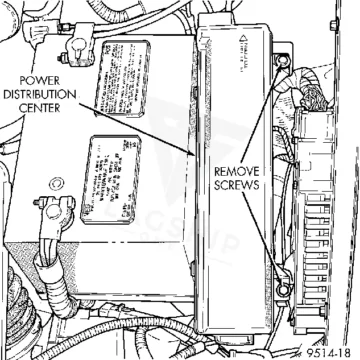
1996 Plymouth Voyager stalling, no-start, or shifting issues may signal a failing PCM/ECM. Learn symptoms, labor times, and why a VIN-programmed replacement can save time.
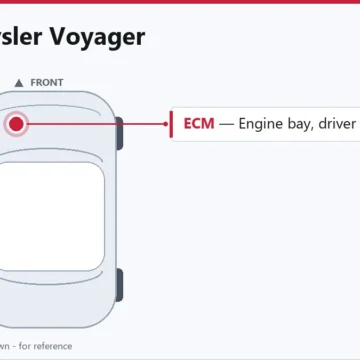
If your 2020 Chrysler Voyager shows PCM or ECM faults, beware of missed relearn steps; proper programming restores engine control and prevents driveability issues.