
Last updated on August 25th, 2026 at 12:08 pm
The powertrain control module in the 1999 Plymouth Voyager manages engine and transmission operations. When this computer fails, it often causes poor fuel delivery, erratic shifting, or complete stalling, preventing the minivan from operating reliably.
When a minivan begins experiencing unexplained engine performance issues, the root cause may trace back to a failing engine computer. For owners of the 1999 Plymouth Voyager, understanding the role of the powertrain control module is essential for accurate diagnostics and effective repairs. This critical component acts as the central brain of the vehicle, dictating how the engine and transmission function together. When it begins to degrade, you might notice rough idling, unexpected stalling, or even a complete failure to start. Navigating the complexities of computer replacement can feel overwhelming, especially when considering factory programming requirements and specific labor times. By gaining a clear understanding of what this module does, where it is located, and what the replacement process entails, you can approach the repair with confidence. This guide breaks down the necessary steps and specifications for the 1999 Plymouth Voyager, providing clarity on relearn procedures, technical service bulletins, and how to avoid common pitfalls during installation. Whether you are a seasoned technician or a dedicated do-it-yourselfer, having the right information ensures the repair is handled efficiently and correctly the first time.
The powertrain control module in the 1999 Plymouth Voyager serves as the primary command center for the entire drivetrain ecosystem. It continuously processes data from various sensors distributed throughout the engine and transmission, adjusting fuel injector pulse width, ignition timing, and emissions controls to maintain optimal performance. In the 2.4L engine configuration, this computer ensures the air-fuel mixture remains balanced while simultaneously governing the shifting patterns of the automatic transmission. When this module operates correctly, the minivan delivers smooth acceleration and reliable fuel economy. However, internal electrical failures or degraded circuitry can severely disrupt these calibrated commands. A malfunctioning unit often leads to a cascade of drivability concerns, ranging from intermittent misfires to severe shifting irregularities that render the vehicle undrivable. Because the system relies on constant precise communication, any disruption inside the module housing translates directly to poor engine behavior. If your vehicle exhibits these persistent issues, exploring 1999 Plymouth Voyager PCM options may become necessary to restore proper functionality. Replacing a degraded computer ensures the engine receives accurate operational instructions once again, eliminating the erratic behavior caused by a failing board. Recognizing the importance of this component helps you understand why addressing internal failures promptly prevents further wear on related mechanical parts. Proper maintenance of this digital brain is crucial for keeping your daily driver dependable and efficient on the road, preventing costly secondary damage.
1999 Plymouth Voyager
OEM programmed ECM for your 1999 Plymouth Voyager — plug & play, no dealer visit.
Free shipping · Lifetime warranty
Accessing the computer on the 1999 Plymouth Voyager requires specific procedures to ensure the component is swapped correctly. According to established labor guides, removing and reinstalling the engine control module takes 0.6 hours for the standard Voyager, while the Grand Voyager variant shares the same 0.6 hours for removal and installation. Similarly, removing and reinstalling the powertrain control module requires 0.6 hours for both the Voyager and the Grand Voyager models. Once the physical swap is complete, the vehicle typically requires a relearn procedure. The engine control module relearn process accounts for 0.5 hours of labor for both the Voyager and Grand Voyager. Likewise, the powertrain control module relearn procedure also requires 0.5 hours for both vehicle versions. These specified times reflect the standard industry benchmarks for completing the physical exchange and the subsequent idle relearn steps. Technicians must ensure all electrical connections are secure during the installation process to prevent future intermittent contact issues.
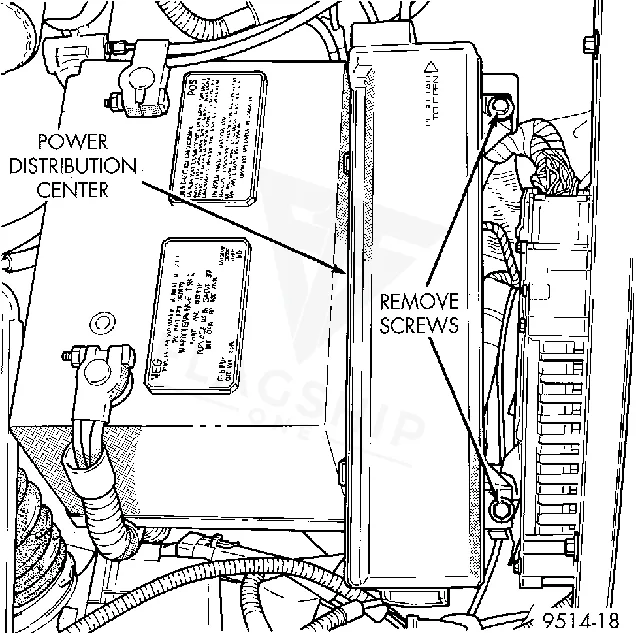
Work with the ignition off, and treat the module as static-sensitive: avoid touching the connector pins at any point.
| Operation | Configuration | Book Time |
|---|---|---|
| Engine Control Module Relearn | Grand Voyager | 0.5 hr |
| Engine Control Module Relearn | Voyager | 0.5 hr |
| Engine Control Module R&R | Grand Voyager | 0.6 hr |
| Engine Control Module R&R | Voyager | 0.6 hr |
| Powertrain Control Module R&R | Grand Voyager | 0.6 hr |
| Powertrain Control Module R&R | Voyager | 0.6 hr |
| Powertrain Control Module Relearn | Grand Voyager | 0.5 hr |
| Powertrain Control Module Relearn | Voyager | 0.5 hr |
Following the installation of a new powertrain computer, the factory procedure dictates specific programming requirements to ensure the vehicle runs correctly. The manufacturer states that technicians must utilize the DRB diagnostic device to flash the replacement processor using the automobile’s factory identification digits along with its original odometer reading. This critical step ensures the computer aligns with the specific configuration and security protocols of the minivan. Failing to complete this programming can result in starting issues or improper engine calibration over time. However, choosing VIN-programmed replacement unit from Flagship One bypasses these complex dealership steps entirely. Because the identification and mileage data are already loaded onto the module before it ships, you avoid the need for the DRB scan tool procedure altogether. This pre-programming approach saves considerable time and prevents the potential flash programming failures that sometimes occur during manual dealership coding. You can simply install the component, perform the necessary idle relearn steps, and drive the vehicle confidently without additional diagnostic costs.
When the internal circuitry of the engine computer begins to fail in the 1999 Plymouth Voyager, several distinct drivability symptoms often emerge. One of the most common indicators is a no-start condition, where the engine cranks but refuses to fire due to a lack of injector pulse or spark command from the module. You may also encounter intermittent stalling while idling or driving, which can be particularly dangerous in traffic situations. Misfire codes frequently appear because the failing processor struggles to maintain consistent ignition timing across the cylinders. Additionally, shifting issues often arise if the unit controls the automatic transmission, causing harsh or delayed gear changes that feel abrupt. Another clear sign of internal failure is dead scan-tool communication, where diagnostic equipment cannot establish a connection to the vehicle network. This lack of communication prevents technicians from reading live data or clearing stored faults, making diagnosis nearly impossible. Erratic gauge behavior on the instrument cluster can also point to a malfunctioning board inside the vehicle. As these symptoms worsen over time, fuel efficiency typically drops significantly, and emissions increase due to unmonitored air-fuel ratios running rich. Recognizing these warning signs early helps prevent being stranded on the road and avoids secondary damage to the catalytic converter or transmission. A proper diagnosis isolating the computer as the root cause is essential before pursuing replacement.
Manufacturer technical bulletins provide critical guidance for addressing known software and hardware issues. For the 1999 Plymouth Voyager, bulletin number 18-037-05 specifically covers procedures for recovering from flash programming failures utilizing the DRBIII diagnostic equipment. This document outlines the proper protocol for restoring a module if a programming attempt is interrupted or fails midway through the update process. Attempting to reprogram a unit without following this recovery method can leave the computer in an inoperable state. Technicians must reference this bulletin when encountering communication errors during the identification writing procedure. Following the exact steps detailed in bulletin 18-037-05 ensures the module can be restored to a functional state, allowing the reprogramming sequence to be attempted again successfully without requiring complete replacement of the component.
| Bulletin | Subject | What It Addresses |
|---|---|---|
| 18-037-05 | 18-037-05 Flash Programming Failure Recovery Using DRBIII® | — |
The standard labor guide indicates that removing and reinstalling the powertrain control module on the 1999 Plymouth Voyager takes 0.6 hours. Additionally, performing the necessary relearn procedure requires another 0.5 hours of labor time.
Yes, the factory procedure mandates utilizing the DRB diagnostic device to flash the replacement processor using the automobile’s factory identification digits along with its original odometer reading. This step ensures the replacement unit matches the specific configuration of the minivan.
Bulletin 18-037-05 details the proper recovery procedure for flash programming failures utilizing the DRBIII diagnostic equipment. If a programming attempt fails, this document provides the steps required to restore the module to a functional state.
Typical symptoms include a no-start condition, unexpected stalling, harsh transmission shifting, and dead communication with diagnostic scan tools. These issues occur because the processor can no longer properly regulate ignition timing or fuel delivery.
No, the labor times for both the engine control module and powertrain control module relearn procedures are identical across both models. Both the standard Voyager and the Grand Voyager require 0.5 hours to complete the relearn process.
Deciding between repairing or replacing the computer in your 1999 Plymouth Voyager involves weighing cost against long-term reliability. While local shops may attempt board-level repairs, a refurbished replacement unit often provides a more dependable solution without the risk of recurring failures. Choosing a pre-programmed module eliminates the need for dealership flash programming, getting your minivan back on the road efficiently and restoring full drivability.
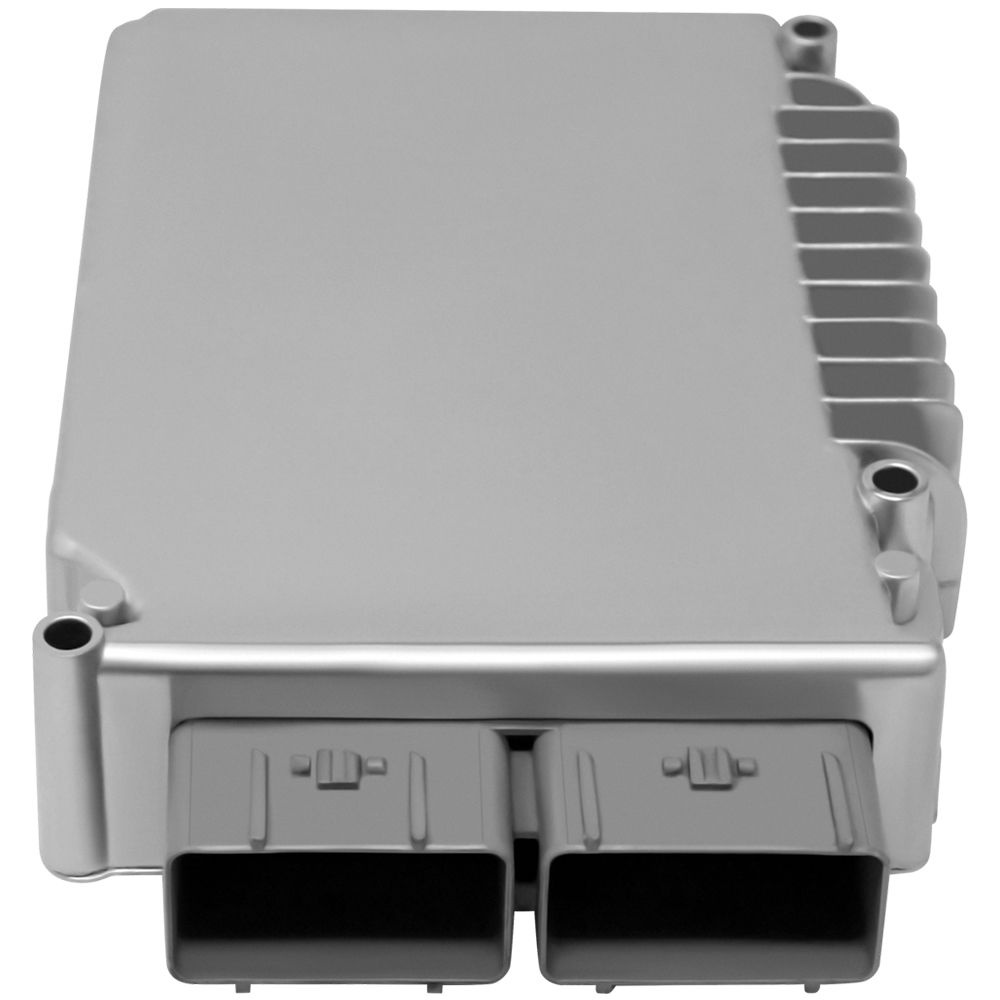
Flagship One stocks a refurbished, VIN-programmed PCM for the 1999 Plymouth Voyager with a lifetime warranty, free shipping and no core charge. The full Plymouth Voyager module lineup covers other engine configurations as well.
Addressing powertrain computer failures in the 1999 Plymouth Voyager promptly prevents frustrating stalling and starting issues from disrupting your daily commute. By understanding the replacement times, relearn procedures, and factory programming requirements, you can approach the repair process with clarity and confidence. When you are ready to restore your vehicle, explore our selection of pre-programmed modules designed specifically for your minivan to ensure a seamless installation.