If your 2003 Toyota Celica has no-start, stalling, or check engine light, the ECM may need replacement. Learn about symptoms, labor times, and reprogramming for your vehicle.

If your 2003 Toyota Celica has no-start, stalling, or check engine light, the ECM may need replacement. Learn about symptoms, labor times, and reprogramming for your vehicle.
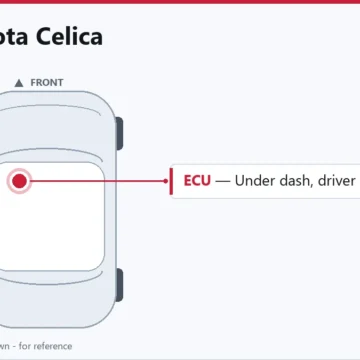
When your 1999 Toyota Celica 2.2L shows no-start or stalling, the engine control module may be failing. A VIN-programmed replacement restores driveability.
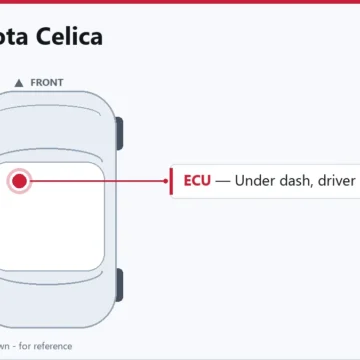
Experiencing no-start or stalling issues in your 1998 Toyota Celica? A faulty engine computer may be the cause. Learn how to diagnose and replace the ECM.
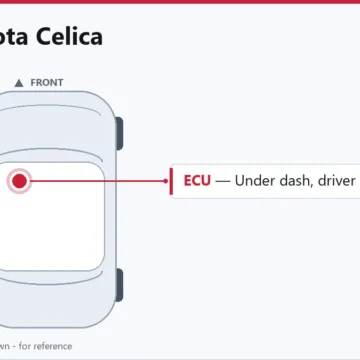
If your 1997 Toyota Celica stalls or refuses to start, the engine computer may need replacement. Learn symptoms, location, and programming requirements.
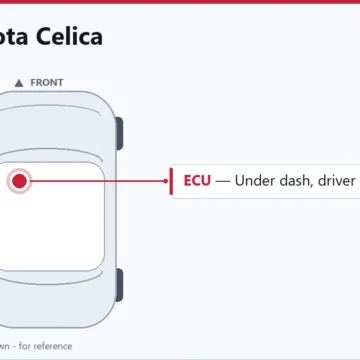
Learn when the 1996 Toyota Celica ECM or PCM fails, common symptoms to watch for, and why VIN-programmed replacement units eliminate dealer relearn procedures.
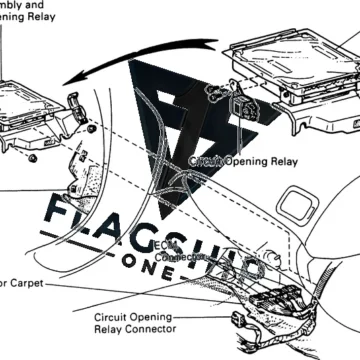
If your 1995 Toyota Celica shows no‑start or erratic power, wait 90 seconds after disconnecting the battery before working on the ECM; proper relearn restores performance.
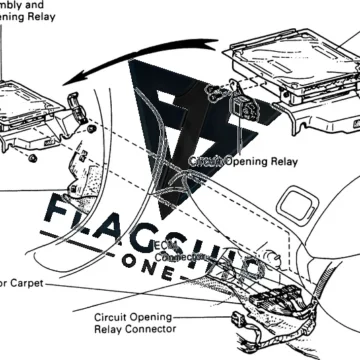
ECM failure in your 1994 Toyota Celica may cause no-starts or stalling. Factory caution: wait 90 seconds after battery disconnect before working near the module.
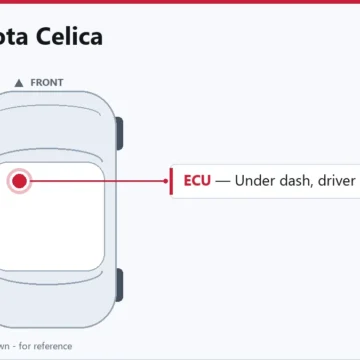
1993 Toyota Celica stalling or no-start? Learn how the engine control module works, where it’s located, and why a VIN-programmed replacement may save you time and hassle.
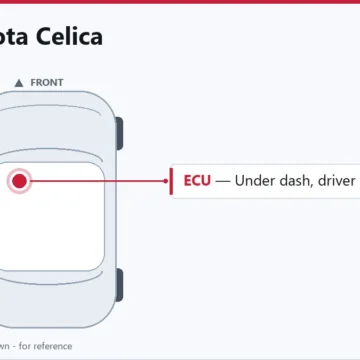
1992 Toyota Celica stalling or no-start? Learn how the engine control module works, where it’s located, replacement steps, and why a pre-programmed unit saves time.
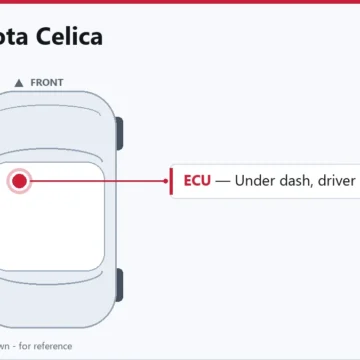
1991 Toyota Celica stalling or no-start? Learn how the engine control module works, where it’s located, replacement labor times, and how a pre-programmed unit can save time and hassle.