
Last updated on August 25th, 2026 at 11:58 am
The engine control module in your 2013 Toyota Highlander manages critical fuel and ignition timing. When this internal hardware fails, the vehicle may experience erratic idling or a complete lack of power. Replacing the unit restores the communication necessary for the engine to operate within factory specifications.
Facing a malfunction in your 2013 Toyota Highlander engine computer can be frustrating, as these components are central to the vehicle’s drivability. Whether you are experiencing a no-start condition or erratic engine behavior, understanding the role of the Powertrain Control Module (PCM) is the first step toward a resolution. This guide explains the function of the module, where it is located, and the specific precautions required during the replacement process. By reviewing these technical details, you can better understand the labor involved and the safety steps necessary to protect your vehicle’s SRS systems. You will also learn how to navigate the installation process and why professional programming is essential for a functional repair.
The engine control module serves as the primary brain for your 2013 Toyota Highlander, processing data from various sensors to optimize performance. It regulates fuel injection and ignition timing to ensure the 3.5L engine runs efficiently. Because this unit manages so many critical variables, sourcing high-quality replacement engine computers for the 2013 Toyota Highlander is vital for maintaining reliability. If the internal circuitry fails, the vehicle may struggle to maintain a steady idle or fail to start entirely. The module’s ability to communicate with other onboard systems ensures that emissions are kept low and fuel economy remains consistent. Without a functioning computer, the engine cannot interpret the signals needed to adjust timing or fuel mixtures in real time. This makes the module a cornerstone of the vehicle’s powertrain, directly impacting how the car responds to driver input.
2013 Toyota Highlander
OEM programmed ECM for your 2013 Toyota Highlander — plug & play, no dealer visit.
Free shipping · Lifetime warranty
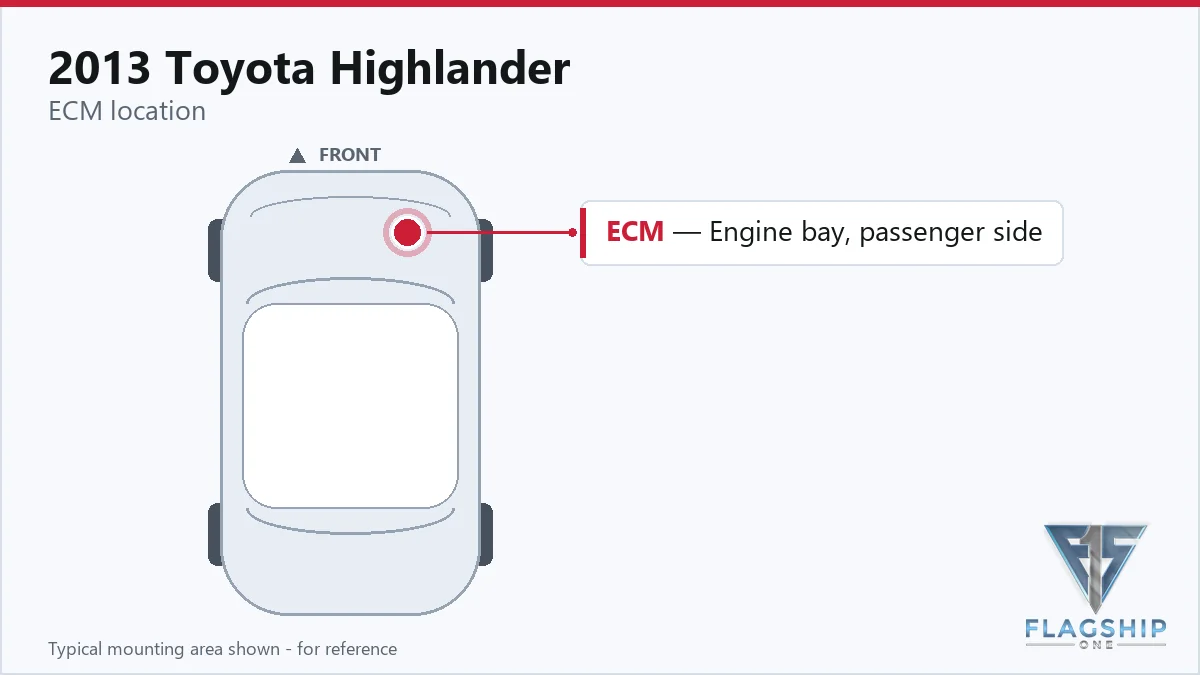
To access the control module in your 2013 Toyota Highlander, you must first remove the cable from the negative battery terminal. The module is situated behind the cowl side trim. According to factory book times, the removal and replacement of the Powertrain Control Module takes 0.6 hours, while the Engine Control Module R&R is also listed at 0.6 hours. Precision is key during this process to avoid damaging the surrounding trim or electrical connectors. Technicians should ensure the area is clear of debris before installing the new unit to prevent contamination of the electrical pins. Once the unit is seated and secured, the battery cable can be reattached. Following these specific steps ensures that the hardware is installed correctly without compromising the integrity of the cowl assembly.
Work with the ignition off, and treat the module as static-sensitive: avoid touching the connector pins at any point.
| Operation | Configuration | Book Time |
|---|---|---|
| Powertrain Control Module R&R | All configurations | 0.6 hr |
| Engine Control Module Relearn | All configurations | 0.5 hr |
| Engine Control Module R&R | All configurations | 0.6 hr |
After installing a new module, factory procedures typically require an Engine Control Module Relearn, which is estimated at 0.5 hours of labor. This process ensures the computer is synced with the vehicle’s specific parameters. However, choosing a VIN-programmed replacement unit eliminates the need for these time-consuming dealership steps. Because the unit arrives pre-configured to your specific vehicle identification number, it can be installed and used immediately. This avoids the potential for software conflicts and reduces the time your vehicle spends in the shop. By removing the requirement for manual relearning, you can return your 2013 Toyota Highlander to the road more quickly while ensuring the engine management system is perfectly aligned with factory standards.
A failing PCM in your 2013 Toyota Highlander often manifests as a variety of driveability issues. You may notice the engine stalling unexpectedly or a complete failure to start. In some cases, the vehicle might experience erratic shifting or a loss of communication with the scan tool during diagnostics. Internal processor faults often trigger specific warnings, such as a internal control module error, which indicates that the computer’s own internal checks have failed. Misfires may also occur if the module cannot accurately time the spark plugs. These symptoms typically point to a hardware failure within the unit rather than a faulty sensor. When these signs appear, it is generally necessary to replace the module to restore the stable electronic environment required for the engine to operate.
The following trouble code is specifically associated with internal failures of the engine control module found in the 2013 Toyota Highlander. These codes typically indicate that the module has detected a critical hardware malfunction within its own internal circuitry and requires attention.
| Code | Meaning | Full Guide |
|---|---|---|
| P0606 | Module processor failure | Full P0606 guide → |
The module is positioned behind the cowl side trim. You will need to disconnect the negative battery cable to access it safely.
Yes, you should wait at least 90 seconds after removing the negative battery cable. This prevents the accidental activation of the seat belt pretensioners or airbags.
If you are removing the tire pressure warning ECU, you should write down the registered transmitter IDs for all wheels. This information is required for the re-registration process.
When deciding how to resolve a PCM failure in your 2013 Toyota Highlander, you have several options. While some choose refurbished units, a new, pre-programmed replacement often provides the most reliable long-term solution. This approach minimizes the risk of recurring faults and eliminates the need for expensive dealership programming. Evaluating the cost of labor against the reliability of the hardware will help you determine the best path for your vehicle’s repair.
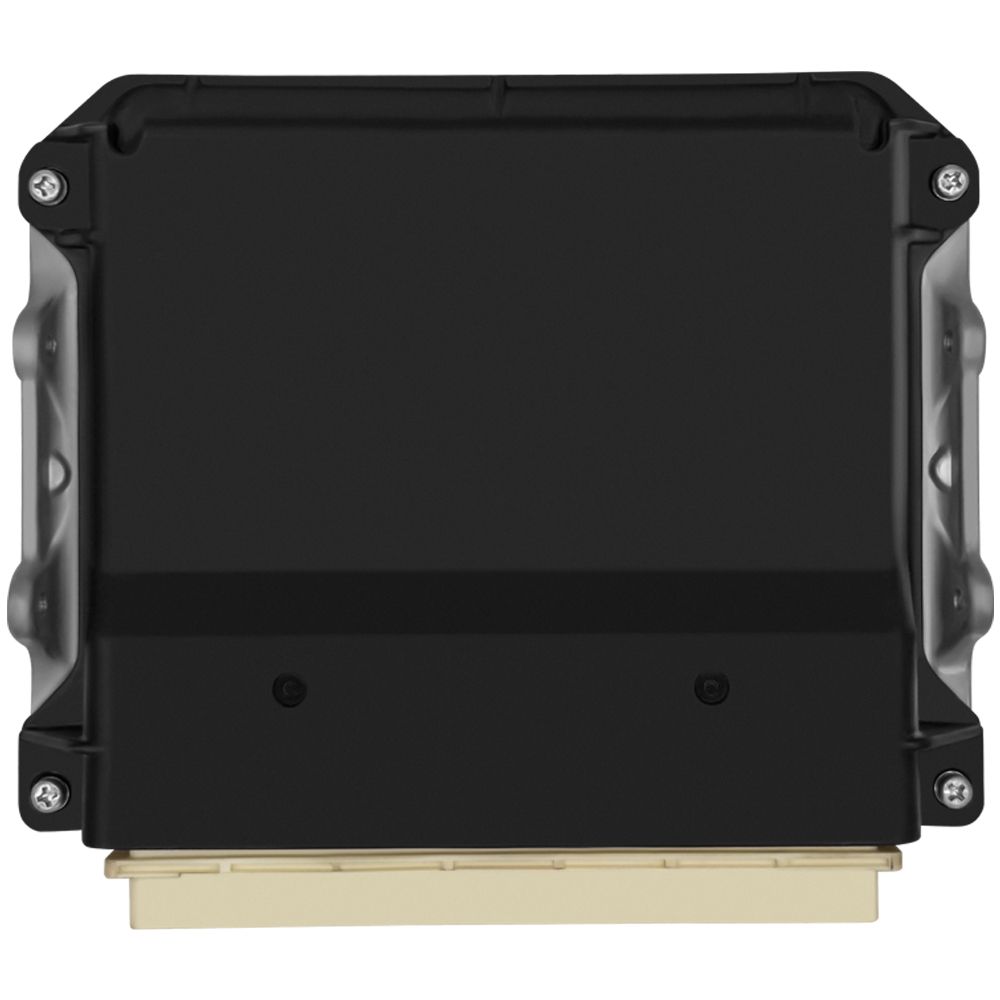
Flagship One stocks a refurbished, VIN-programmed PCM for the 2013 Toyota Highlander with a lifetime warranty, free shipping and no core charge. The full Toyota Highlander module lineup covers other engine configurations as well.
Restoring the electronic heart of your 2013 Toyota Highlander is essential for maintaining vehicle safety and performance. By following the correct disconnection procedures and ensuring the module is properly programmed, you can resolve stalling and communication issues effectively. If you are ready to address your engine control problems, explore the available replacement options to get your vehicle back in peak operating condition.