
Last updated on August 25th, 2026 at 11:59 am
The engine management computer in your 2011 Toyota Highlander regulates fuel delivery and ignition timing. When this unit fails, your vehicle may experience stalling or no-start conditions. Understanding the role of this electronic component helps diagnose performance losses accurately.
Owners of the 2011 Toyota Highlander often encounter complex electronic issues affecting engine performance. When the central computer malfunctions, driving dynamics change significantly. This guide explains the replacement process and labor expectations for your vehicle. You will learn about standard book times and procedural requirements. Technicians follow specific steps to ensure proper function after installation. Understanding these details helps you manage repair costs effectively. The 2011 Toyota Highlander relies on precise electronic signals for operation. Disruptions in this system require careful attention during service. Professional diagnosis confirms whether replacement is necessary for your situation. Labor guides provide estimated times for removing and installing components. These estimates help plan your service appointment duration accurately. Proper handling prevents damage to sensitive connectors during the work. Your vehicle demands correct configuration to operate smoothly again. Knowledge of these procedures empowers you to discuss options with technicians. Electronic control units manage critical systems within modern automobiles. Failure symptoms may vary depending on the specific internal fault. Some drivers notice immediate performance loss while others see warning lights. Addressing these concerns promptly prevents further complications down the road.
2011 Toyota Highlander
OEM programmed ECM for your 2011 Toyota Highlander — plug & play, no dealer visit.
Free shipping · Lifetime warranty
The engine control module serves as the brain for your 2011 Toyota Highlander powertrain. It processes data from various sensors to optimize fuel injection and spark timing. Without this component, the engine cannot run efficiently or safely. Modern vehicles depend on this electronics hub for emissions compliance too. When searching for modules for the 2011 Toyota Highlander you should verify compatibility with your specific engine size. The unit monitors throttle position and airflow continuously during operation. It adjusts parameters in real time to match driving conditions. A faulty processor may send incorrect signals to the fuel system. This can lead to poor mileage or rough idling sensations. The system also manages transmission shifting points in many cases. Integration with other vehicle networks ensures coordinated function across all systems. Technicians use specialized tools to communicate with this digital controller. Data streams reveal internal health status during diagnostic sessions. Replacement units must match the original hardware specifications exactly. Software calibration differs between model years and engine configurations. Your 2011 Toyota Highlander requires precise matching for seamless operation. Ignoring these details may result in continued performance issues after service. Proper identification ensures the new component functions correctly within the network. Voltage regulation within the unit protects sensitive internal circuits from spikes. Ground connections remain vital for stable signal transmission throughout the harness. Corrosion on terminals often disrupts communication between the computer and sensors. Regular inspection of wiring harnesses helps prevent premature failure events. The module stores adaptive learning values based on your driving habits. These values refine engine response over time for smoother acceleration. Resetting these values occurs during the initial programming phase after installation. Understanding the scope of this component highlights its importance to vehicle health.
Service documentation outlines specific labor times for removing and installing the control unit. Technicians allocate 0.6 hours for powertrain control module removal and installation tasks. The same book time applies to engine control module removal and installation procedures. Accessing the component involves disconnecting electrical harnesses carefully to avoid damage. No specific physical location details are provided in the labor data here. The focus remains on the time required to complete the swap safely. Proper torque specifications should be followed if mounting hardware is involved. Technicians ensure all connectors seat fully before completing the installation process. Verification steps confirm the unit receives power and ground correctly. The labor guide does not specify additional steps beyond the removal and installation time. Your shop may charge based on these standard industry time allocations. Handling the unit requires care to prevent static discharge damage. Always disconnect the battery before working on electronic control systems. This precaution protects both the technician and the new component from voltage spikes. The 0.6 hour estimate covers the mechanical aspect of the replacement job.
| Operation | Configuration | Book Time |
|---|---|---|
| Powertrain Control Module R&R | All configurations | 0.6 hr |
| Engine Control Module Relearn | All configurations | 0.5 hr |
| Engine Control Module R&R | All configurations | 0.6 hr |
After physical installation, the new module requires specific configuration to operate correctly. Factory procedures typically mandate a relearn process to synchronize the computer. Labor guides assign 0.5 hours for the engine control module relearn procedure. This step ensures the processor recognizes the vehicle identity and parameters. Without this synchronization, the engine may not start or run properly. Flagship One simplifies this by providing a VIN-programmed replacement unit that arrives ready for installation. This approach eliminates the need for complex onsite programming tools in many cases. The preconfigured unit matches your vehicle identification number exactly. Technicians may still perform checks to finalize adaptive settings. This ensures optimal performance based on current engine conditions. Skipping this step may result in rough idling or shifting concerns. The programming process writes specific calibration data to the internal memory. Your 2011 Toyota Highlander benefits from this precise alignment during service. Proper configuration prevents communication errors with other vehicle network nodes. The relearn procedure verifies that all sensors report within expected ranges. Completing this step confirms the repair is finished successfully.
Common failure signs include unexpected engine stalling while driving or at idle. You may experience a no-start condition where the cranker turns but the engine does not fire. Diagnostic scan tools might show dead communication with the engine computer system. Misfire codes often appear when the module fails to control spark timing correctly. Transmission shifting issues can occur if the computer manages gear changes too. Fuel trim values may become erratic leading to poor mileage and performance. The check engine light often illuminates to warn of internal processor faults. Some drivers report intermittent power loss during acceleration demands. Electrical glitches may cause random rebooting of the vehicle control systems. Warning lights for traction control or stability systems may activate unexpectedly. These symptoms suggest the central processing unit is struggling to function. Heat damage often contributes to these electronic failures over time. Vibration from the road can loosen internal solder joints within the circuitry. Moisture intrusion through compromised seals leads to corrosion on the board. Addressing these signs early prevents being stranded on the roadway. A thorough diagnostic process rules out wiring issues before replacing the computer. Your 2011 Toyota Highlander may exhibit these signs differently depending on the fault. Professional testing confirms whether the module itself is the root cause. Ignoring these warnings may lead to complete vehicle shutdown eventually. Voltage spikes from alternator failures can damage the internal power supply. Jump starting another vehicle incorrectly may send surge current through the system. Poor ground connections mimic computer failure symptoms frequently during diagnosis. Cleaning connector pins often resolves communication errors without full replacement. However, internal component failure requires swapping the unit entirely for reliability. Persistent issues despite wiring repairs point directly to the control module. Understanding these patterns helps you communicate effectively with your service provider.
Driving is not recommended as the engine may stall without warning. Safety systems may also fail to operate correctly during transit. Immediate service prevents potential accidents or further damage to the vehicle.
Labor guides list 0.6 hours for removal and installation of the unit. Additional time is needed for programming and verification steps after physical swap. Total shop time varies based on diagnostic and scheduling factors.
Factory procedures typically require a relearn process taking 0.5 hours. Flagship One units arrive preconfigured to reduce onsite programming needs significantly. Verification steps ensure the unit communicates properly with the vehicle.
Voltage spikes from charging system issues often damage internal circuits. Moisture intrusion and vibration can also compromise solder joints over time. Proper maintenance of electrical systems helps extend component life significantly.
Used units typically require full programming to match your vehicle identity. Without this step the engine will likely not start or run correctly. Preprogrammed options simplify the installation process for your specific model.
You may choose between repairing your existing unit or installing a refurbished replacement. Refurbished options often provide a more reliable long-term solution for older vehicles. Repairing internal circuits may not address underlying wear on other components. Consider the cost of labor for multiple visits versus a single swap. Your 2011 Toyota Highlander performs best with a fully functional control system. Evaluate both options based on warranty coverage and expected durability.
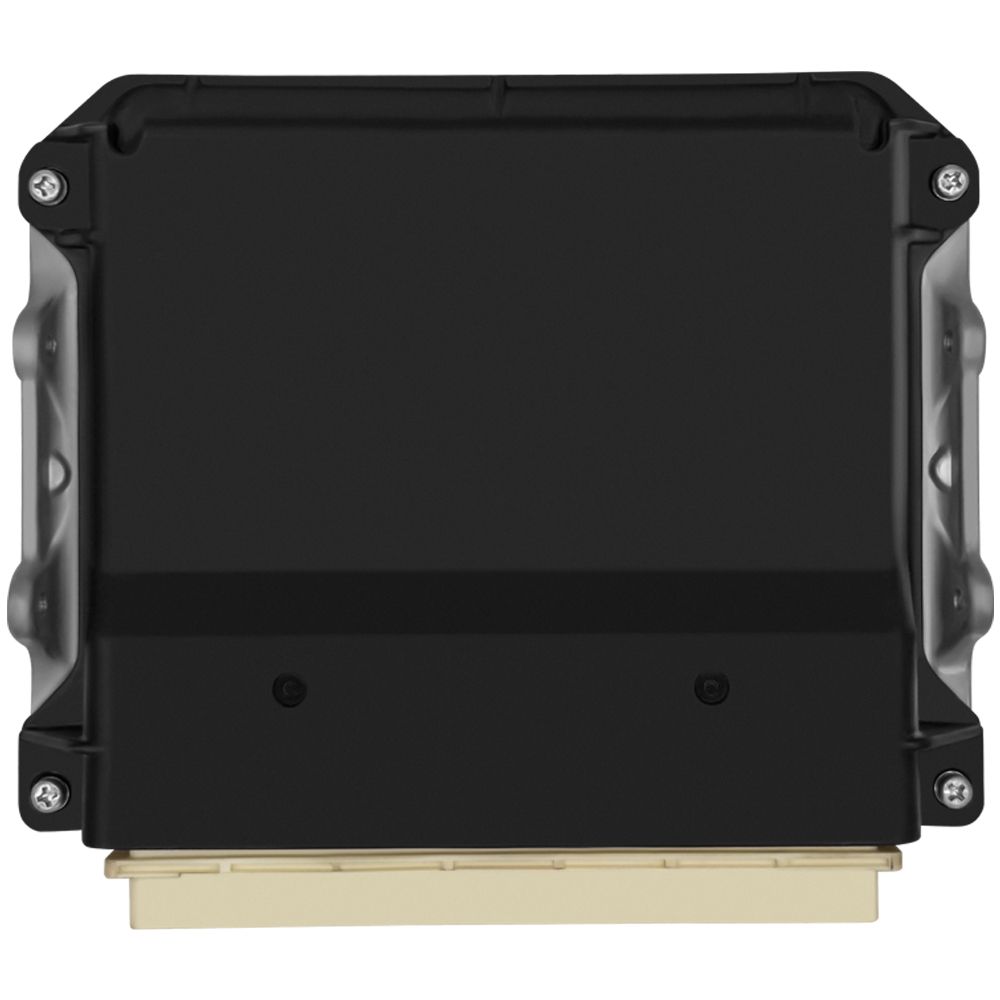
Flagship One stocks a refurbished, VIN-programmed PCM for the 2011 Toyota Highlander with a lifetime warranty, free shipping and no core charge. The full Toyota Highlander module lineup covers other engine configurations as well.
Replacing the engine computer restores reliable performance to your 2011 Toyota Highlander. Understanding labor times and programming requirements helps you plan the service effectively. Proper installation ensures the vehicle operates safely and efficiently on the road. Contact professionals for assistance with selecting the correct replacement component. Your vehicle deserves quality parts to maintain its driving dynamics.