
Last updated on August 25th, 2026 at 12:04 pm
The Engine Control Module (ECM) or Powertrain Control Module (PCM) in the 2003 Toyota Celica is the central computer that manages engine timing, fuel delivery, and transmission operation. Failure can cause drivability issues, poor fuel economy, and no-start conditions. Replacement requires proper programming to match your vehicle’s VIN and immobilizer system.
If you own a 2003 Toyota Celica and are experiencing drivability problems such as intermittent stalling, a no-start condition, or a persistent check engine light, the engine control module (ECM) or powertrain control module (PCM) may be at fault. These modules are the brain of your vehicle’s engine and transmission management system. They process sensor inputs and adjust fuel injection, ignition timing, and shift points in real time. When they fail, the entire driving experience can degrade quickly. This article will help you understand what the ECM/PCM does in your specific Celica, where it is located, what symptoms to watch for, and what the replacement process involves. You will also learn about the factory-recommended reprogramming steps outlined in Toyota service bulletins and how a pre-programmed replacement unit can save you time and hassle. Whether you are a DIY owner or working with a shop, this information will guide you through diagnosing and resolving ECM-related issues on your 2003 Toyota Celica.
2003 Toyota Celica
OEM programmed ECM for your 2003 Toyota Celica — plug & play, no dealer visit.
Free shipping · Lifetime warranty
The Engine Control Module (ECM) in your 2003 Toyota Celica is a dedicated computer that continuously monitors and controls engine performance. It receives data from sensors such as the oxygen sensor, throttle position sensor, crankshaft position sensor, and coolant temperature sensor. Based on that data, it adjusts fuel injector pulse width, ignition timing, idle speed, and variable valve timing (if equipped). The PCM (Powertrain Control Module) is essentially the same unit on models with automatic transmissions, as it also manages shift solenoids and torque converter lockup. In the Celica, this module is critical for maintaining fuel efficiency, emissions compliance, and smooth power delivery. A failing module can cause erratic behavior because it may misinterpret sensor signals or fail to send proper commands. For example, a faulty ECM might not advance timing correctly, leading to poor acceleration and increased fuel consumption. It can also fail to communicate with the scan tool, making diagnosis difficult. When you need a replacement, you should consider replacement ECMs for the 2003 Toyota Celica that are pre-programmed to match your vehicle’s VIN and immobilizer system. This ensures plug-and-play installation without the need for a dealer visit. The module is designed to last the life of the vehicle, but heat, vibration, and electrical surges can shorten its lifespan. Understanding its role helps you appreciate why prompt replacement is important when symptoms appear.
| Operation | Configuration | Book Time |
|---|---|---|
| Engine Control Module Relearn | All configurations | 0.5 hr |
| Engine Control Module R&R | All configurations | 0.6 hr |
| Powertrain Control Module R&R | All configurations | 0.6 hr |
| Powertrain Control Module Relearn | All configurations | 0.5 hr |
After installing a new or replacement ECM/PCM in your 2003 Toyota Celica, the factory procedure requires an ECU flash reprogramming. Toyota service bulletins SS002-01 and SS002-07 describe this process for 2001 and later models, including the Celica. The reprogramming involves using the Techstream diagnostic tool to load the correct calibration files and perform an immobilizer registration. This step ensures the module communicates properly with the engine, transmission, and security system. Without it, the vehicle may not start or may run poorly. However, when you purchase a VIN-programmed replacement unit from Flagship One, the reprogramming is already completed before shipping. The module is programmed with your vehicle’s VIN and the latest factory calibration, so you can install it and drive immediately. This eliminates the need for a dealer visit and saves the 0.5-hour relearn time. The only remaining step is to perform a brief idle relearn, which the vehicle does automatically as you drive. This approach simplifies the replacement process and gets your Celica back on the road faster.
A failing ECM or PCM in your 2003 Toyota Celica can produce a variety of symptoms that may be mistaken for other issues. The most common sign is a no-start condition where the engine cranks but does not fire. This happens because the module is not sending the correct fuel or spark commands. Intermittent stalling, especially when coming to a stop or during acceleration, is another frequent complaint. You may also notice rough idling, hesitation, or surging. The check engine light may illuminate with codes that point to sensor circuits or internal module faults. In some cases, the scan tool cannot communicate with the ECM at all, indicating a dead module. For automatic transmission models, shifting may become harsh, delayed, or erratic because the PCM controls shift solenoids. Fuel economy often drops noticeably. Electrical issues such as the cooling fan running constantly or the fuel pump not priming can also stem from a faulty module. If you experience any of these problems, it is wise to have the ECM tested before replacing other components.
Toyota has issued two service bulletins relevant to the ECM/PCM on the 2003 Toyota Celica. Bulletin SS002-01, titled ‘ECU Flash Reprogramming Process (Revised),’ applies to 2001 and later applicable models. It outlines the correct procedure for updating the module’s software using the Techstream tool. Bulletin SS002-07, titled ‘Techstream ECU Flash Reprogramming Procedure,’ covers 2001-2008 Toyota vehicles and provides step-by-step instructions for performing the flash. Both bulletins emphasize the importance of using the latest calibration files and following the proper sequence to avoid corrupting the module. These TSBs are essential references for any technician replacing or reprogramming the ECM on your Celica.
| Bulletin | Subject | What It Addresses |
|---|---|---|
| SS002-01 | :SS002-01: 2001 & Later Applicable Models: ECU Flash Reprogramming Process (Revised) | — |
| SS002-07 | :SS002-07: 01-08 Applicable Toyota: Techstream ECU Flash Reprogramming Procedure | — |
When your 2003 Toyota Celica’s ECM or PCM fails, you have two main options: have a dealer or shop repair the original module, or replace it with a refurbished unit. Repair can be time-consuming and may not address all internal faults. A refurbished replacement from Flagship One is a reliable alternative, especially when you choose a VIN-programmed unit that arrives ready to install. This approach saves labor time and gets your Celica back on the road with minimal downtime.
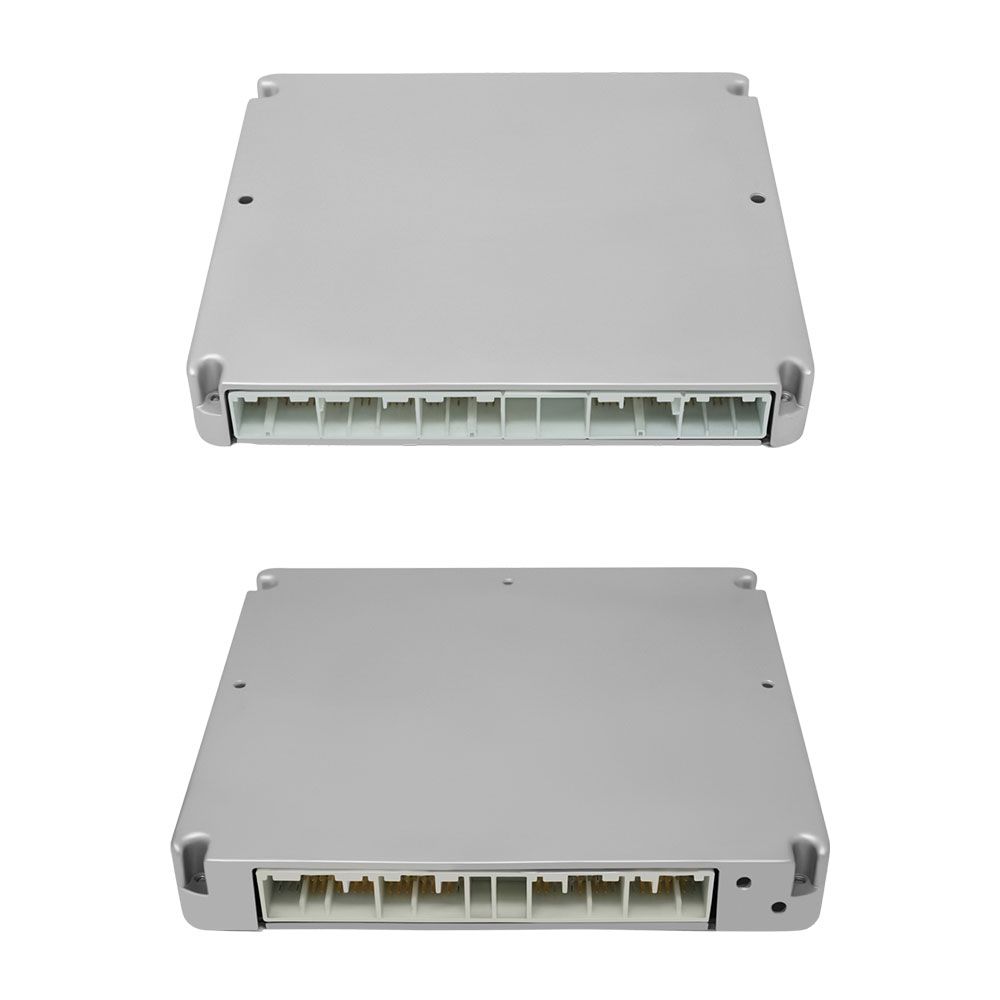
Flagship One stocks a refurbished, VIN-programmed PCM for the 2003 Toyota Celica with a lifetime warranty, free shipping and no core charge. The full Toyota Celica module lineup covers other engine configurations as well.
The ECM or PCM in your 2003 Toyota Celica is a vital component that controls engine and transmission performance. Recognizing symptoms like no-start, stalling, or shifting issues can help you diagnose problems early. Replacement involves a 0.6-hour labor time plus a 0.5-hour relearn, but a pre-programmed unit from Flagship One eliminates the need for dealer reprogramming. Keep your Celica running smoothly by addressing module issues promptly.