
Last updated on August 25th, 2026 at 12:10 pm
In the 2008 Mercury Mountaineer, the Powertrain Control Module (PCM) and Engine Control Module (ECM) manage engine timing, fuel delivery, and emissions. Failure of these computers can trigger the MIL, produce codes such as P0196, or prevent the vehicle from starting, often requiring relearn procedures or replacement.
When a 2008 Mercury Mountaineer begins to exhibit intermittent check engine warnings, unusual dashboard noises, or refuses to start, the underlying cause may lie in the vehicle’s computer systems. The Powertrain Control Module and Engine Control Module work together to regulate fuel, spark, and emissions, and any disruption can affect drivability. This guide explains how these modules function in your Mountaineer, what symptoms to watch for, which factory service bulletins apply, and how the repair process is structured. By the end, you will understand the labor involved, the programming requirements, and practical steps to keep the system healthy, helping you decide between a new repair or a refurbished replacement.
The PCM and ECM in the 2008 Mercury Mountaineer serve as the vehicle’s central nervous system for powertrain operation. They continuously monitor sensor data, adjust fuel injection timing, and control emission systems to meet performance and regulatory standards. Because the Mountaineer relies on precise coordination between engine and transmission, any fault in these modules can lead to rough idle, stalling, or loss of driveability. Maintaining proper operation is essential for fuel efficiency and emissions compliance. For owners seeking alternatives, replacement engine computers for the 2008 Mercury Mountaineer provide a direct swap when the original unit cannot be repaired.
2008 Mercury Mountaineer
OEM programmed replacements — plug & play, no dealer visit.
Find yours by year, make & model →
Free shipping · Lifetime warranty
The PCM and ECM are mounted within the engine compartment, typically attached to the vehicle’s firewall near the intake manifold. Access requires removal of the upper intake cover and disconnecting the primary power connector. According to the labor guide, a relearn of the Engine Control Module takes about 0.5 hours, while removing and reinstalling the ECM or PCM each requires roughly 0.6 hours of work. No additional torque specifications are listed, so standard fastener removal and reinstallation procedures apply.
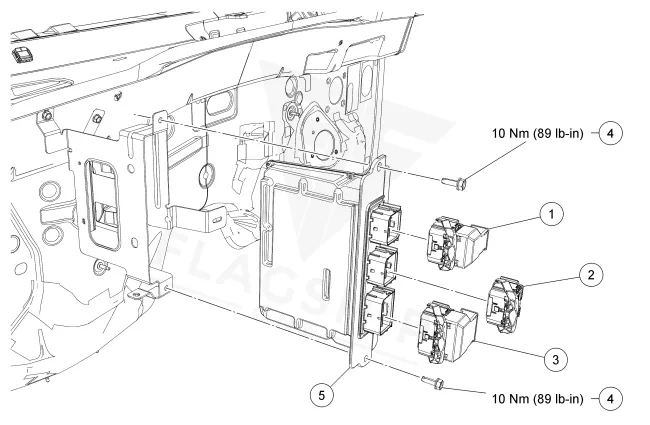
Work with the ignition off, and treat the module as static-sensitive: avoid touching the connector pins at any point.
| Operation | Configuration | Book Time |
|---|---|---|
| Engine Control Module Relearn | All configurations | 0.5 hr |
| Engine Control Module R&R | All configurations | 0.6 hr |
| Powertrain Control Module R&R | All configurations | 0.6 hr |
After installing a new or refurbished computer, the factory procedure calls for a reprogramming step to synchronize the Passive Anti-Theft System (PATS) with the vehicle’s VIN. Flagship One supplies units that arrive already VIN‑programmed, so the re‑learn of the Passive Anti-Theft System is completed at the factory. This eliminates the need for on‑site PATS programming, allowing the technician to focus on the mechanical aspects. The process also includes a standard ECM relearn, which takes about half an hour of labor. Using a a VIN‑programmed replacement unit ensures those steps are pre‑completed.
Owners may notice the check engine light illuminating without obvious performance loss, which can be an early indicator of a PCM or ECM fault. In colder weather, the vehicle might refuse to start or stall shortly after ignition, often accompanied by a stored code such as low fuel pressure sensor signal that points to a sensor communication issue. Other possible signs include erratic idle, delayed throttle response, or transmission shifting problems. In some cases, the diagnostic tool may lose communication with the vehicle entirely, suggesting a complete loss of module power or a corrupted firmware state.
| Bulletin | Subject | What It Addresses |
|---|---|---|
| 08-01-03 | 4.0L – PCM BRACKET BUZZ/HUM NOISE FROM CENTER/RIGHT SIDE DASH AREA | — |
| 09-22-06 | 4.6L ENGINE – CALIBRATION UPDATE – CHECK ENGINE LIGHT ON – COLD WEATHER DRIVING CONDITIONS – DT | — |
| 09-01-02 | BUILT ON OR BEFORE 4/14/2008 – MALFUNCTION INDICATOR LAMP (MIL) ON WITH DIAGNOSTIC TROUBLE CODE | — |
The light can signal a variety of issues, including PCM or ECM faults, sensor failures, or emissions problems. Scanning for stored codes helps pinpoint the exact cause.
The labor guide lists 0.6 hours for removal and reinstalling the Engine Control Module, assuming standard access steps and no additional complications.
Factory programming includes a PATS re‑learn and an ECM re‑learn. Flagship One units arrive VIN‑programmed, so those steps are already completed, eliminating the need for on‑site tools.
Yes, because the PCM controls shift timing, a malfunction can result in harsh or delayed gear changes, especially under load.
TSB 08-01-03 covers bracket‑related dash noise, while TSB 09-22-06 and TSB 09-01-02 discuss calibration updates and MIL illumination for specific fault codes.
When the PCM or ECM in your 2008 Mercury Mountaineer requires service, you can choose a direct repair or install a refurbished replacement. Both approaches restore the vehicle’s computer functions, but a Flagship One unit arrives pre‑programmed to match your VIN, streamlining the post‑install process and reducing shop time.
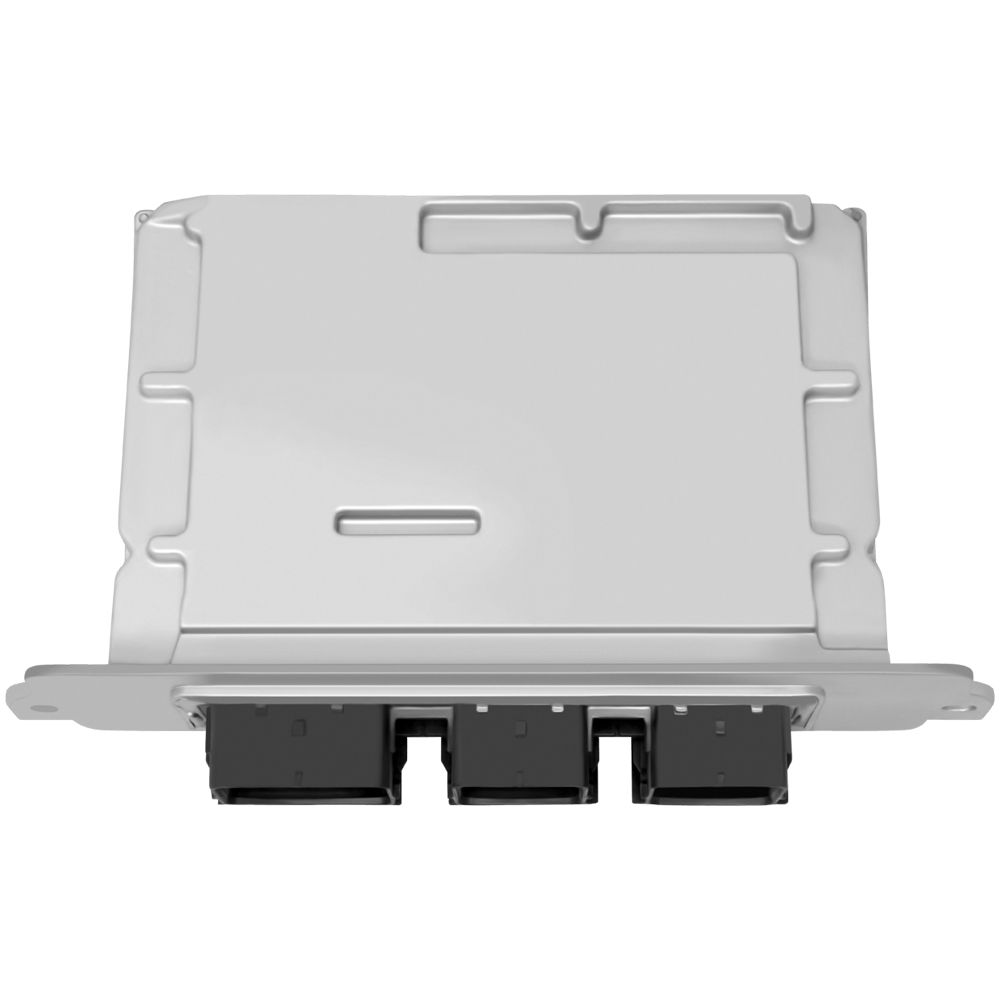
Flagship One stocks a refurbished, VIN-programmed PCM for the 2008 Mercury Mountaineer with a lifetime warranty, free shipping and no core charge. The full Mercury Mountaineer module lineup covers other engine configurations as well.
The 2008 Mercury Mountaineer relies on a well‑functioning PCM and ECM for reliable performance. Whether you opt for a new repair or a refurbished Flagship One unit, addressing the issue promptly helps maintain drivability and emissions compliance. Consider your options and choose the solution that best fits your schedule and budget.