
Last updated on August 25th, 2026 at 01:03 pm
The Powertrain Control Module (PCM) in your 2005 Mercury Mountaineer manages fuel, ignition, and emissions systems. Failures may trigger warning lights, poor performance, or a no-start condition. Replacement often requires a relearn procedure to restore proper operation.
If your 2005 Mercury Mountaineer suddenly hesitates, stalls, or refuses to start, the Powertrain Control Module (PCM) may be the culprit. This small but critical computer oversees fuel delivery, ignition timing, and emissions systems, ensuring smooth operation. When it fails, symptoms can range from subtle drivability issues to a complete no-start condition. Replacing the PCM isn’t just about swapping hardware—it often requires a relearn procedure to synchronize the new module with your vehicle’s sensors and systems. Understanding the role of the PCM, the labor involved, and the steps needed afterward can help you make an informed decision. Whether you’re diagnosing a persistent check engine light or preparing for a replacement, knowing what to expect can save time and prevent unnecessary frustration. This guide covers the essentials: what the PCM does, where it’s located, common failure signs, and the factory procedures required after installation.
The Powertrain Control Module (PCM) in your 2005 Mercury Mountaineer acts as the brain of the engine and transmission. It processes data from sensors monitoring oxygen levels, throttle position, engine speed, and more to adjust fuel injection, ignition timing, and emissions controls in real time. Without a functioning PCM, your vehicle may run poorly or not at all. The module also communicates with the transmission control system to optimize shift points, ensuring smooth acceleration and fuel efficiency. When the PCM fails, it can trigger a range of issues, from rough idling to diagnostic trouble codes that illuminate the Malfunction Indicator Lamp (MIL). Replacing it typically involves installing replacement engine computers for the Mountaineer, which must be programmed to match your vehicle’s VIN to avoid compatibility issues. The PCM’s role is so integral that even minor glitches can disrupt performance, making timely diagnosis and repair essential for reliable operation.
2005 Mercury Mountaineer
OEM programmed ECM for your 2005 Mercury Mountaineer — plug & play, no dealer visit.
Free shipping · Lifetime warranty
In the 2005 Mercury Mountaineer, the Powertrain Control Module (PCM) is located inside the engine bay, mounted near the firewall on the passenger side. Accessing it requires removing the air intake duct and possibly the battery or its tray to reach the module’s mounting bolts. The replacement process involves disconnecting the electrical connector, unbolting the old unit, and installing the new one. According to factory labor times, removing and replacing the PCM typically takes 0.6 hours. While the physical swap is straightforward, proper reinstallation is critical—loose connections or misaligned mounting can lead to intermittent electrical issues or poor performance. After installation, the module must be programmed to recognize your vehicle’s specific systems, a step that adds to the total labor time if not handled in advance.
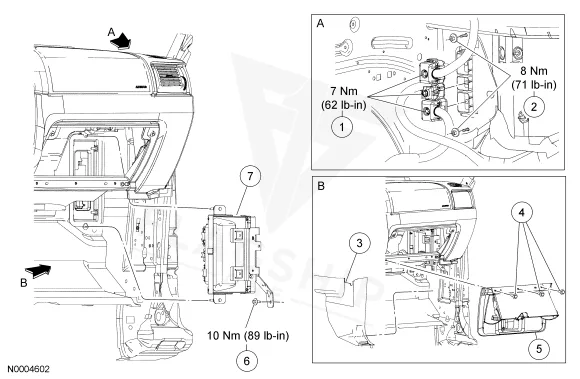
Work with the ignition off, and treat the module as static-sensitive: avoid touching the connector pins at any point.
| Operation | Configuration | Book Time |
|---|---|---|
| Engine Control Module Reset | All configurations | 0.3 hr |
| Engine Control Module Relearn | All configurations | 0.5 hr |
| Engine Control Module R&R | All configurations | 0.6 hr |
| Powertrain Control Module R&R | All configurations | 0.6 hr |
| Powertrain Control Module Relearn | All configurations | 0.5 hr |
After replacing the Powertrain Control Module (PCM) in your 2005 Mercury Mountaineer, the factory procedure requires a relearn process to synchronize the new unit with your vehicle’s sensors and systems. This typically involves using a scan tool to perform a module initialization, which can take up to 0.5 hours of labor. The relearn ensures the PCM adapts to your engine’s unique characteristics, such as fuel trims and idle settings. However, if you install a VIN-programmed replacement unit, these steps are already completed before the module arrives. This eliminates the need for additional programming at the shop, reducing labor time and potential complications. While the physical replacement is quick, skipping the relearn could leave your vehicle running poorly or trigger new diagnostic trouble codes, so pre-programmed units offer a practical advantage.
When the Powertrain Control Module (PCM) in your 2005 Mercury Mountaineer begins to fail, symptoms often appear gradually before becoming more pronounced. You may notice the engine stalling unexpectedly, especially at idle or during deceleration, or a rough idle that feels inconsistent. Hesitation or surging during acceleration can also indicate PCM issues, as the module struggles to adjust fuel and ignition timing correctly. Another common sign is a no-start condition, where the engine cranks but fails to fire, often due to the PCM not sending the proper signals to the fuel injectors or ignition coils. Diagnostic trouble codes related to fuel trim, such as rich fuel mixture detected, may illuminate the Malfunction Indicator Lamp (MIL) and point to PCM-related faults. In some cases, the transmission may shift erratically or fail to engage gears properly, as the PCM also controls transmission functions. If your scan tool fails to communicate with the PCM, it could signal a complete module failure or a wiring issue. Addressing these symptoms promptly can prevent further drivability problems and avoid potential breakdowns.
Ford issued a service bulletin (#04-22-11) addressing Malfunction Indicator Lamp (MIL) illumination in 2005 Mercury Mountaineers equipped with the 4.0L SOHC engine. The bulletin specifically targets vehicles built before October 4, 2004, and covers diagnostic trouble codes P0172, P0175, P0171, and P0174, which indicate fuel system rich or lean conditions. The factory identified potential causes related to the PCM’s fuel trim calculations, often requiring software updates or module replacement to resolve the issue. If your Mountaineer exhibits these codes, the bulletin may provide guidance for a more targeted repair, potentially avoiding unnecessary part replacements.
| Bulletin | Subject | What It Addresses |
|---|---|---|
| 04-22-11 | 4.0L SOHC ENGINE – MALFUNCTION INDICATOR LAMP (MIL) ILLUMINATED WITH DIAGNOSTIC TROUBLE CODES ( | — |
A stalling issue after battery replacement often points to a PCM relearn requirement. The module loses its adaptive fuel and idle settings when power is disconnected. A scan tool can perform the relearn procedure, or driving the vehicle under specific conditions (steady speed, light load) may allow the PCM to re-adapt over time.
The physical replacement is straightforward if you’re comfortable working in the engine bay. However, the factory requires a relearn procedure afterward, which typically needs a scan tool. If you install a pre-programmed unit, you can skip the programming step, but the relearn may still be necessary for optimal performance.
A no-start condition can stem from several issues, but the PCM is a likely suspect if the fuel pump runs and spark plugs fire. Check for diagnostic trouble codes first, as the PCM may not be sending the correct signals to the fuel injectors or ignition system. A scan tool can confirm if the module is communicating properly.
If your Mountaineer runs poorly after a battery disconnect or module swap, a relearn may resolve the issue. However, if the vehicle exhibits persistent stalling, misfires, or a no-start condition with no other apparent cause, the PCM itself may be faulty. A diagnostic scan can help differentiate between the two.
Yes, the PCM in your vehicle manages both engine and transmission functions. It adjusts shift points based on throttle position, vehicle speed, and load. If the PCM fails, you may experience erratic shifting, delayed engagement, or even a failure to shift out of first gear.
If your 2005 Mercury Mountaineer is experiencing PCM-related issues, you have options beyond costly dealer repairs. A refurbished replacement unit can restore functionality at a fraction of the price, especially if it arrives pre-programmed to your VIN. While the factory requires a relearn procedure after installation, choosing a VIN-matched module eliminates the need for additional programming. Whether you opt for a DIY approach or professional installation, understanding the labor and steps involved can help you make an informed decision. Addressing PCM problems promptly can prevent further drivability issues and keep your Mountaineer running reliably.
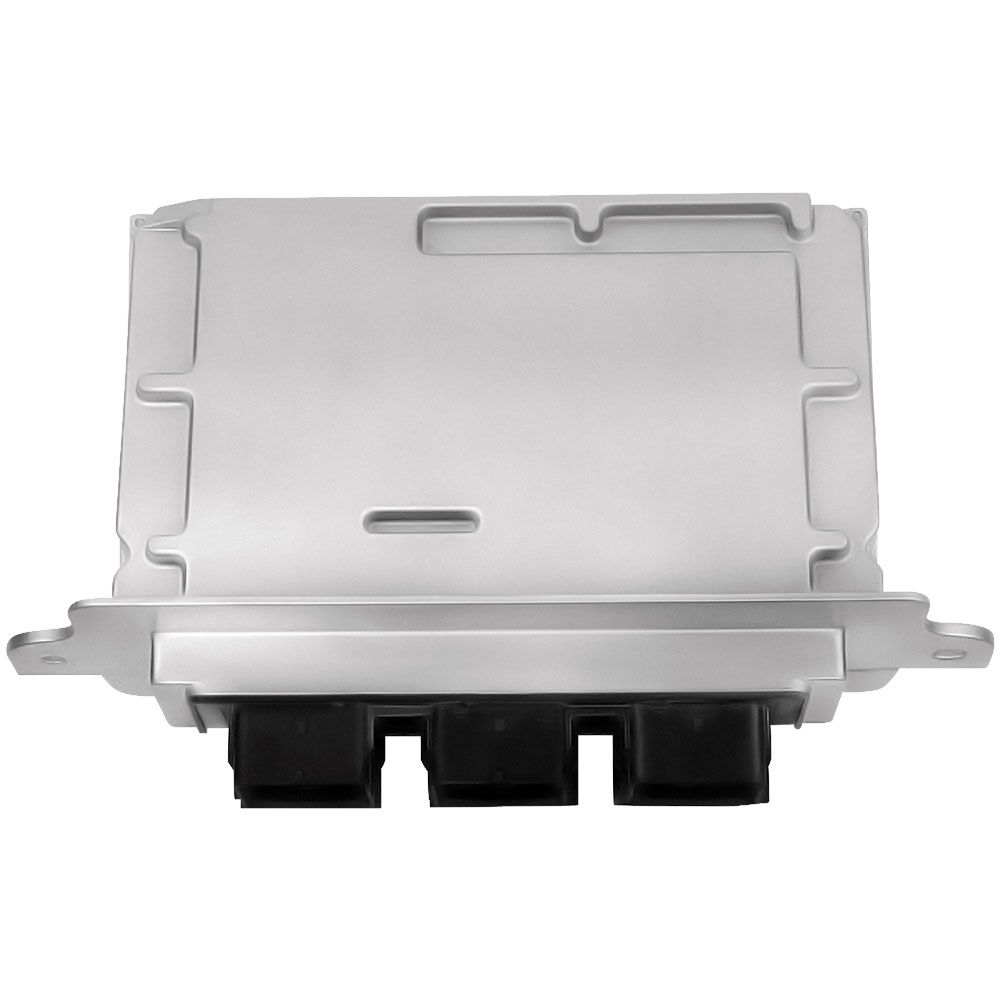
Flagship One stocks a refurbished, VIN-programmed PCM for the 2005 Mercury Mountaineer with a lifetime warranty, free shipping and no core charge. The full Mercury Mountaineer module lineup covers other engine configurations as well.
The Powertrain Control Module in your 2005 Mercury Mountaineer plays a critical role in engine and transmission performance. When it fails, symptoms like stalling, misfires, or a no-start condition can leave you stranded. Replacing the PCM involves more than just swapping hardware—it often requires a relearn procedure to ensure proper operation. By understanding the module’s function, location, and the steps needed after replacement, you can approach the repair with confidence. Whether you tackle the job yourself or rely on a professional, addressing PCM issues promptly will help maintain your Mountaineer’s reliability for years to come.