
Last updated on August 25th, 2026 at 01:02 pm
The Powertrain Control Module (PCM) in your 2006 Mercury Mountaineer manages engine and transmission functions. Failures may trigger drivability issues, warning lights, or communication errors with diagnostic tools.
If your 2006 Mercury Mountaineer is experiencing rough idling, stalling, or erratic shifting, the Powertrain Control Module (PCM) may be the culprit. This critical component oversees engine performance and transmission behavior, and when it fails, symptoms can range from subtle drivability quirks to a complete no-start condition. Understanding the role of the PCM, how to replace it, and what steps follow installation can help you make informed decisions about repairs. With the right approach, you can restore smooth operation without unnecessary delays or complications.
In your 2006 Mercury Mountaineer, the Powertrain Control Module (PCM) acts as the brain for both the engine and transmission. It processes data from sensors to optimize fuel delivery, ignition timing, and shift points, ensuring efficient performance. A malfunctioning PCM may disrupt these functions, leading to poor acceleration, shifting delays, or even a vehicle that won’t start. When replacement becomes necessary, choosing replacement engine computers for the Mountaineer ensures compatibility and avoids the hassle of programming from scratch. The module’s reliability directly impacts your vehicle’s drivability, so addressing issues promptly is key to maintaining smooth operation.
2006 Mercury Mountaineer
OEM programmed replacements — plug & play, no dealer visit.
Find yours by year, make & model →
Free shipping · Lifetime warranty
The PCM in your 2006 Mercury Mountaineer is typically located behind the dashboard on the passenger side. Replacing it involves disconnecting the battery, removing the dashboard panel to access the module, and unplugging the wiring harness. The factory labor time for removal and reinstallation (R&R) is 0.6 hours. Once the new module is in place, a relearn procedure of 0.5 hours is often required to synchronize the PCM with the vehicle’s systems. Proper handling of connectors and ensuring a secure fit can prevent future electrical issues.
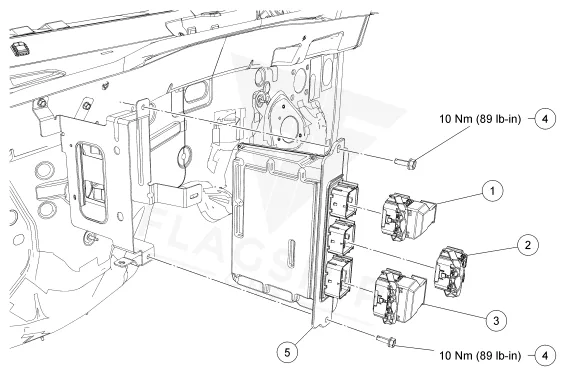
Work with the ignition off, and treat the module as static-sensitive: avoid touching the connector pins at any point.
| Operation | Configuration | Book Time |
|---|---|---|
| Engine Control Module Relearn | All configurations | 0.5 hr |
| Engine Control Module R&R | All configurations | 0.6 hr |
| Powertrain Control Module R&R | All configurations | 0.6 hr |
| Powertrain Control Module Relearn | All configurations | 0.5 hr |
After replacing the PCM in your 2006 Mercury Mountaineer, the factory procedure requires reprogramming the passive anti-theft system (PATS) to ensure the vehicle starts and runs correctly. This step is critical because the PATS system prevents unauthorized engine operation. However, when you install a VIN-programmed replacement unit, this programming is already completed, saving you time and avoiding potential setup errors. The module arrives ready to communicate with your vehicle’s systems, so you can focus on the mechanical installation without additional software steps.
A failing PCM in your 2006 Mercury Mountaineer may cause a variety of symptoms, including intermittent stalling, rough idling, or a no-start condition. You might also notice erratic shifting, where the transmission hesitates or fails to upshift smoothly. Warning lights, such as the check engine light, may illuminate, and diagnostic tools may struggle to communicate with the module. One common trouble code associated with PCM failure is an internal processor error, which often indicates the module is no longer functioning reliably. Addressing these symptoms early can prevent further drivability issues.
Your 2006 Mercury Mountaineer may log specific trouble codes when the PCM begins to fail. These codes help pinpoint the issue and guide repairs. Below are the documented module-internal trouble codes for this vehicle.
| Code | Meaning | Full Guide |
|---|---|---|
| P0606 | Module processor failure | Full P0606 guide → |
Ford has issued several service bulletins related to the 4.0L engine in the 2006 Mercury Mountaineer. TSB 08-01-03 addresses a buzzing or humming noise from the PCM bracket near the center or right side of the dashboard. TSB 06-17-13 covers calibration updates to resolve surging, hesitation, torque converter cycling, and poor A/C performance. While these bulletins focus on specific symptoms, they highlight the importance of keeping the PCM updated to maintain optimal drivability.
| Bulletin | Subject | What It Addresses |
|---|---|---|
| 08-01-03 | 4.0L – PCM BRACKET BUZZ/HUM NOISE FROM CENTER/RIGHT SIDE DASH AREA | — |
| 09-22-06 | 4.6L ENGINE – CALIBRATION UPDATE – CHECK ENGINE LIGHT ON – COLD WEATHER DRIVING CONDITIONS – DT | — |
| 06-17-13 | CALIBRATION UPDATE 4.0L – SURGE, HESITATION, TORQUE CONVERTER CYCLING, NO UP SHIFT AFTER A FORC | — |
Yes, a relearn procedure is typically required after replacing the PCM. This step ensures the module synchronizes with the vehicle’s systems, including the transmission and anti-theft features. The factory labor time for this procedure is 0.5 hours.
Driving with a P0606 code may be possible, but it often indicates an internal PCM failure. Symptoms like stalling or poor shifting can worsen over time, so it’s best to address the issue promptly to avoid further complications.
Stalling or hesitation after a forced downshift may be related to a PCM calibration issue. TSB 06-17-13 addresses this symptom with a software update, so checking for the latest calibration can help resolve the problem.
When your 2006 Mercury Mountaineer’s PCM fails, you have options for replacement. A new or refurbished module can restore reliable performance, but programming the PATS system adds time and complexity. Choosing a pre-programmed unit eliminates this step, allowing you to focus on installation and getting your vehicle back on the road quickly.
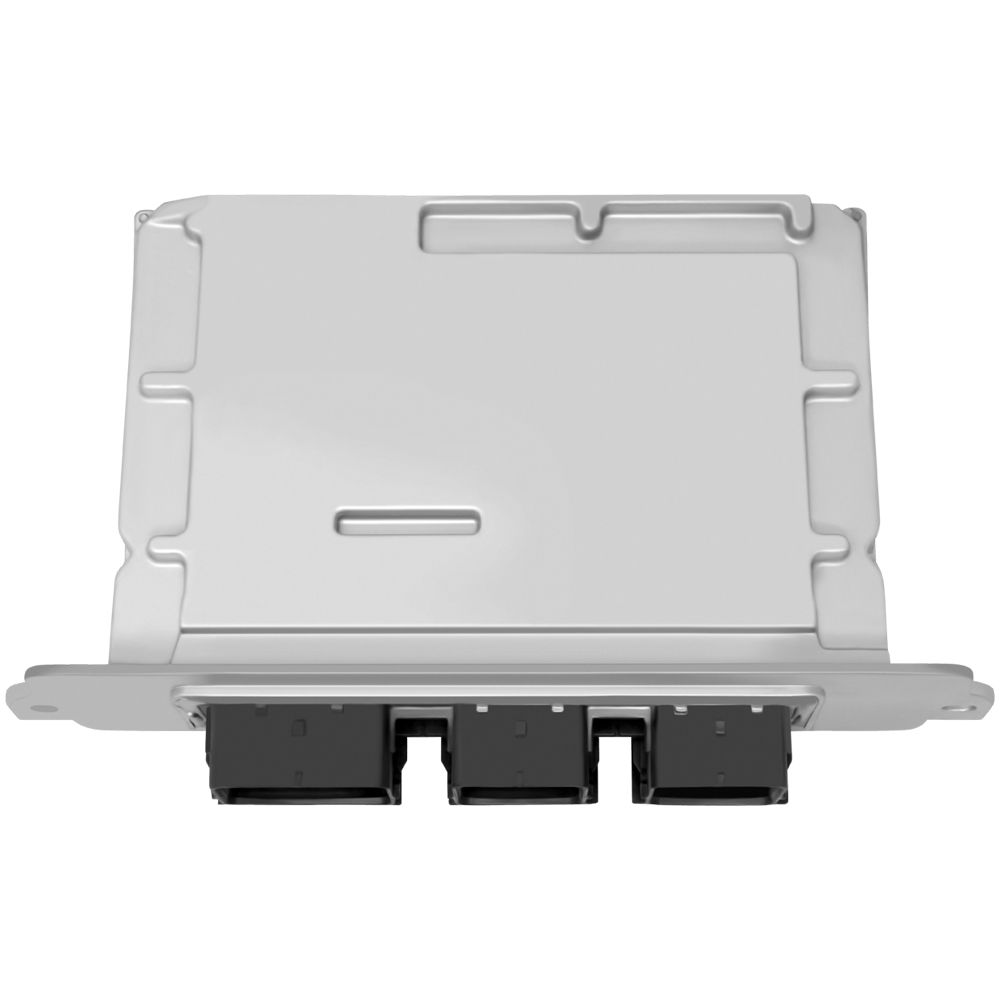
Flagship One stocks a refurbished, VIN-programmed PCM for the 2006 Mercury Mountaineer with a lifetime warranty, free shipping and no core charge. The full Mercury Mountaineer module lineup covers other engine configurations as well.
The PCM in your 2006 Mercury Mountaineer plays a vital role in engine and transmission performance. If you’re experiencing drivability issues, addressing the module promptly can save time and frustration. Whether you opt for a repair or a replacement, ensuring proper installation and programming will help maintain your vehicle’s reliability.