
Last updated on August 25th, 2026 at 01:02 pm
In the 2009 Mercury Mountaineer, the Powertrain Control Module (PCM) and Engine Control Module (ECM) manage engine timing, fuel delivery, and emission controls. A failure typically results in loss of engine power, erratic idle, or complete no‑start conditions because the vehicle can no longer coordinate critical engine functions.
When a 2009 Mercury Mountaineer experiences intermittent power loss, rough idle, or a total lack of engine response, the vehicle’s computer modules are often the culprits. Understanding how the Powertrain Control Module and Engine Control Module function, where they reside, and what steps are required after replacement can help you evaluate repair options. This guide walks you through the basics of each module, the labor involved in swapping them, the programming procedures that follow, and practical tips to keep the electronics healthy. By the end, you should feel confident deciding whether a new unit or a refurbished replacement best fits your needs.
The Powertrain Control Module in the 2009 Mercury Mountaineer serves as the central processor for engine and transmission coordination, while the Engine Control Module focuses on fuel injection, ignition timing, and emissions monitoring. Together, they translate sensor data into actionable commands that keep the engine running smoothly and efficiently. A malfunction can interrupt this communication chain, leading to symptoms such as stalling, misfires, or a complete no‑start condition. Because the vehicle relies on precise timing, any loss of module integrity may also trigger diagnostic trouble codes and disable certain safety features. Proper operation of these computers is essential for meeting performance expectations and emission standards. replacement engine computers for the Mountaineer ensures the vehicle receives the correct hardware when a failure occurs.
2009 Mercury Mountaineer
OEM programmed replacements — plug & play, no dealer visit.
Find yours by year, make & model →
Free shipping · Lifetime warranty
Both the PCM and ECM are mounted within the engine compartment, typically secured to the firewall or near the intake manifold. Access generally involves disconnecting the battery, removing a few fasteners, and unplugging the connector harnesses. According to the factory labor guide, removing and reinstalling the Powertrain Control Module requires roughly 0.6 hours, while the Engine Control Module follows the same time estimate. After the ECM is reinstalled, an additional relearn procedure is listed at 0.5 hours, reflecting the need to synchronize the module with the vehicle’s existing parameters. No torque specifications are provided in the supplied data, so standard factory fastener values should be used.
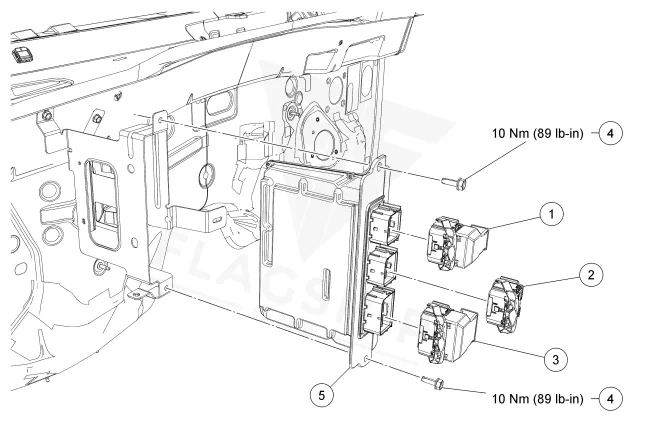
Work with the ignition off, and treat the module as static-sensitive: avoid touching the connector pins at any point.
| Operation | Configuration | Book Time |
|---|---|---|
| Powertrain Control Module R&R | All configurations | 0.6 hr |
| Engine Control Module Relearn | All configurations | 0.5 hr |
| Engine Control Module R&R | All configurations | 0.6 hr |
Once the PCM or ECM is physically installed, the factory service process calls for a programming step to align the new unit with the vehicle’s VIN and calibration data. This includes reprogramming the Passive Anti-Theft System (PATS) to ensure the anti‑theft logic matches the replacement hardware. Flagship One supplies units that arrive already VIN‑programmed, which means the technician can skip the factory re‑learn steps and proceed directly to final verification. a VIN-programmed replacement unit therefore eliminates the need for additional on‑site coding, reducing labor time and the risk of programming errors.
Owners of a 2009 Mercury Mountaineer may notice a range of issues when the PCM or ECM begins to fail. Common signs include a complete no‑start condition, rough idle, unexpected stalling, and reduced power output. Diagnostic trouble codes often appear, such as a P0601 code indicating a internal processor fault within the module. In addition, you might see erratic transmission shifting or loss of communication with scan tools, which can make troubleshooting more difficult. These symptoms typically point to a loss of control over fuel, spark, or sensor data, underscoring the importance of addressing the problem promptly.
The factory labor guide lists about 0.6 hours for removal and reinstall of the Powertrain Control Module on this model.
Yes, the Engine Control Module relearn procedure is estimated at 0.5 hours according to the service manual.
Flagship One units arrive pre‑programmed to the vehicle’s VIN, so the typical factory coding steps are not required.
A frequent symptom is a no‑start condition combined with loss of communication with diagnostic tools.
Reprogramming the PATS is part of the post‑install procedure to ensure the anti‑theft system functions correctly with the new module.
When faced with a faulty PCM or ECM in your 2009 Mercury Mountaineer, you can choose between a brand‑new factory replacement or a refurbished unit that meets OEM specifications. Both options restore the vehicle’s control logic, but a refurbished part that arrives VIN‑programmed may reduce shop time and cost. Consider your budget, the age of the vehicle, and the importance of minimizing downtime when deciding which route best fits your situation.
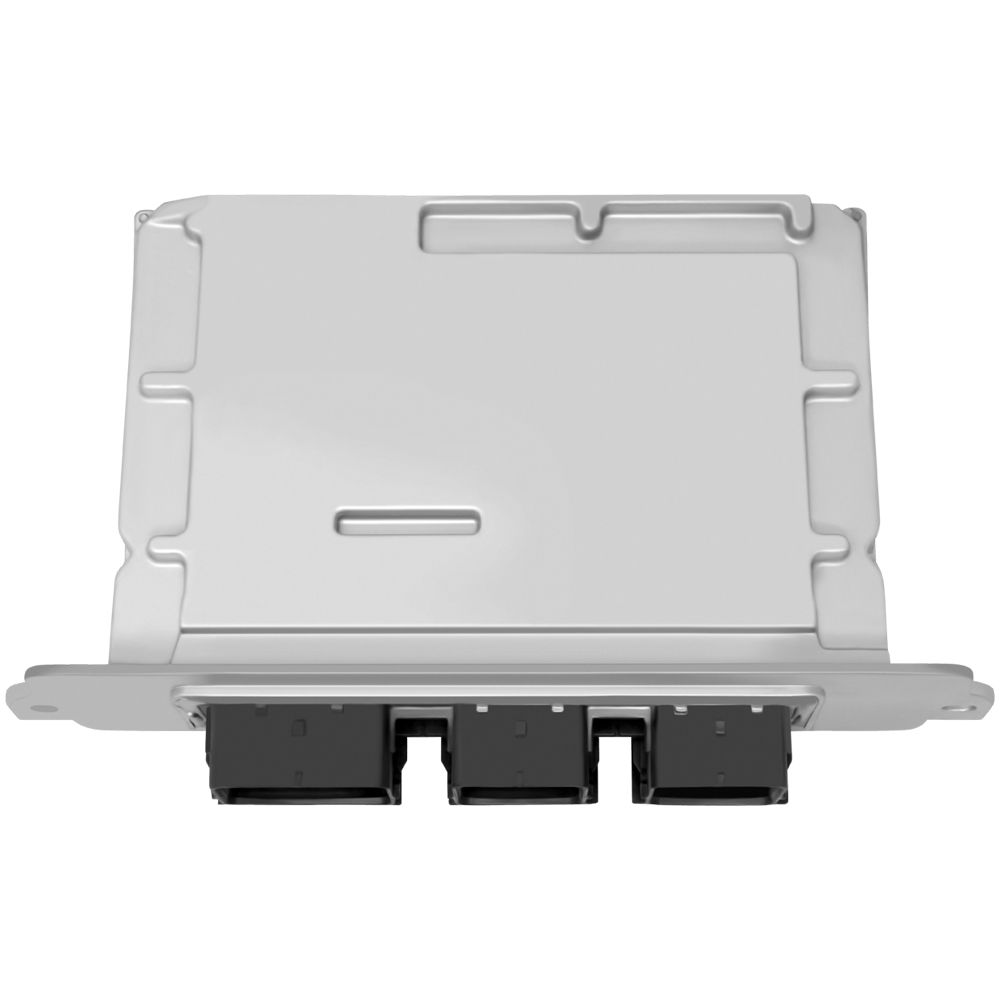
Flagship One stocks a refurbished, VIN-programmed PCM for the 2009 Mercury Mountaineer with a lifetime warranty, free shipping and no core charge. The full Mercury Mountaineer module lineup covers other engine configurations as well.
The 2009 Mercury Mountaineer relies on its PCM and ECM to keep the engine running smoothly. Whether you opt for a new or refurbished replacement, ensuring proper installation and programming will return your vehicle to reliable operation. If you need a VIN‑programmed unit, Flagship One can provide a ready‑to‑install solution.