
Last updated on August 25th, 2026 at 01:35 pm
The Powertrain Control Module (PCM) in your 2006 Ford Explorer manages engine and transmission functions. Failures may cause drivability issues, poor performance, or stored trouble codes like P0606.
If your 2006 Ford Explorer is experiencing unexplained stalling, rough idle, or a no-start condition, the Powertrain Control Module (PCM) may be the culprit. This critical component oversees engine performance and transmission behavior, so when it fails, your vehicle’s drivability suffers. Replacing the PCM involves more than just swapping hardware—it requires precise programming to ensure proper communication with other systems. Understanding the process, labor times, and what to expect can help you make an informed decision, whether you’re diagnosing the issue or preparing for a repair.
The PCM in your 2006 Ford Explorer acts as the brain for both the engine and transmission, coordinating fuel delivery, ignition timing, and shift points. It constantly monitors sensor inputs to optimize performance and emissions. When it malfunctions, you may notice poor throttle response, erratic shifting, or even a complete failure to start. Replacing it isn’t just about installing new hardware; the module must be calibrated to your vehicle’s specific configuration. For this model, replacement engine computers for the Explorer are designed to restore factory-level functionality, but proper installation and programming are essential to avoid recurring issues.
2006 Ford Explorer
OEM programmed replacements — plug & play, no dealer visit.
Find yours by year, make & model →
Free shipping · Lifetime warranty
The PCM in the 2006 Ford Explorer is located behind the center of the dashboard, near the right side of the vehicle. Accessing it requires removing interior panels, but the process is straightforward for a technician. According to factory labor estimates, removing and replacing the PCM typically takes 0.6 hours. After installation, a relearn procedure is required, which adds another 0.5 hours to ensure the module synchronizes with the engine and transmission systems. No specialized tools are needed beyond basic hand tools, but care should be taken to avoid damaging electrical connectors during removal.
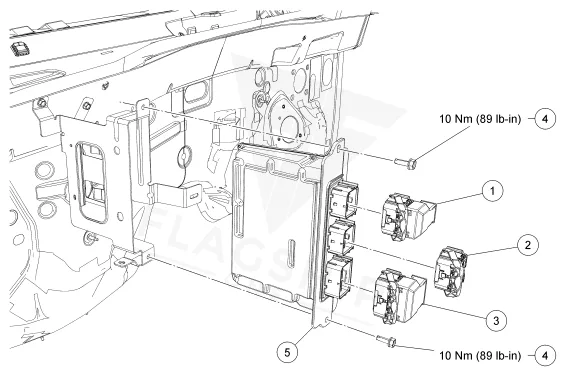
Work with the ignition off, and treat the module as static-sensitive: avoid touching the connector pins at any point.
| Operation | Configuration | Book Time |
|---|---|---|
| Powertrain Control Module R&R | All configurations | 0.6 hr |
| Powertrain Control Module Relearn | All configurations | 0.5 hr |
| Engine Control Module Relearn | All configurations | 0.5 hr |
| Engine Control Module R&R | All configurations | 0.6 hr |
After replacing the PCM in your 2006 Ford Explorer, the factory procedure requires reprogramming the passive anti-theft system (PATS) to ensure the vehicle starts and runs correctly. This step is critical, as failure to complete it may leave your Explorer inoperable. Flagship One units arrive as a VIN-programmed replacement unit, meaning the PATS calibration is already matched to your vehicle. This eliminates the need for additional dealer programming, saving time and reducing the risk of post-installation issues.
A failing PCM in your 2006 Ford Explorer may cause a range of symptoms, from subtle drivability issues to complete no-start conditions. Common signs include stalling at idle, hesitation under acceleration, or erratic transmission shifting. You might also notice the check engine light illuminating, often accompanied by module-specific trouble codes. For example, a PCM processor fault suggests an internal failure that could disrupt engine control. If your scan tool fails to communicate with the PCM, that’s another strong indicator of a problem. Addressing these symptoms promptly can prevent further damage to related systems.
The 2006 Ford Explorer’s PCM may store specific trouble codes when internal faults occur. These codes help pinpoint issues during diagnostics, though they often require further testing to confirm the root cause.
| Code | Meaning | Full Guide |
|---|---|---|
| P0606 | Module processor failure | Full P0606 guide → |
Ford has issued several service bulletins addressing PCM-related concerns in the 2006 Explorer. Bulletin #08-01-03 describes a buzzing or humming noise from the PCM bracket area, which may require bracket modification. Bulletin #06-17-13 covers calibration updates to resolve surge, hesitation, torque converter cycling, and poor A/C performance. While these bulletins primarily target drivability symptoms, they highlight the importance of keeping the PCM software up to date to avoid recurring issues.
| Bulletin | Subject | What It Addresses |
|---|---|---|
| 08-01-03 | 4.0L – PCM BRACKET BUZZ/HUM NOISE FROM CENTER/RIGHT SIDE DASH AREA | — |
| 09-22-06 | 4.6L ENGINE – CALIBRATION UPDATE – CHECK ENGINE LIGHT ON – COLD WEATHER DRIVING CONDITIONS – DT | — |
| 06-17-13 | CALIBRATION UPDATE 4.0L – SURGE, HESITATION, TORQUE CONVERTER CYCLING, NO UP SHIFT AFTER A FORC | — |
The PCM relearn procedure ensures the new module synchronizes with the engine, transmission, and anti-theft systems. Without it, your Explorer may not start or could exhibit erratic performance. The process typically takes 0.5 hours and is required even if the replacement unit is pre-programmed.
While the physical replacement is straightforward, the PCM requires programming to match your vehicle’s VIN and anti-theft system. Without proper programming, the Explorer may not start or run correctly. Professional installation is recommended unless you have access to the necessary diagnostic tools.
In this vehicle, the terms PCM (Powertrain Control Module) and ECM (Engine Control Module) refer to the same component. The PCM manages both engine and transmission functions, so replacing it addresses issues with either system. Labor times for R&R and relearn procedures are identical for both terms.
If your 2006 Ford Explorer is showing signs of PCM failure, you have options beyond costly dealer repairs. A refurbished replacement unit can restore functionality at a fraction of the price, especially when pre-programmed to match your vehicle’s VIN. Given the labor times involved, choosing a unit that eliminates additional programming steps can save both time and hassle during installation.
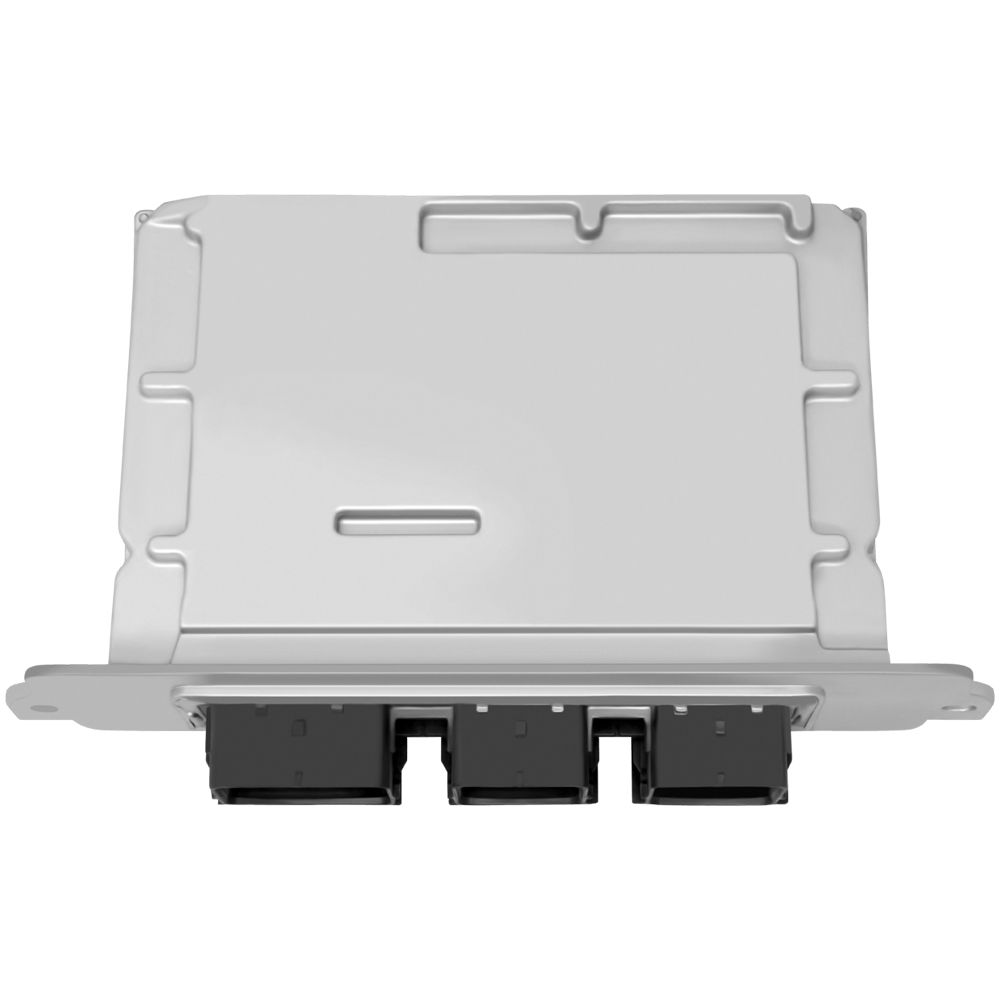
Flagship One stocks a refurbished, VIN-programmed PCM for the 2006 Ford Explorer with a lifetime warranty, free shipping and no core charge. The full Ford Explorer module lineup covers other engine configurations as well.
The 2006 Ford Explorer relies on its PCM to maintain smooth operation, and when it fails, the symptoms can be frustrating. Whether you’re dealing with stalling, shifting issues, or a no-start condition, understanding the replacement process and programming requirements can help you make the right repair decision. With the right approach, your Explorer can return to reliable performance without unnecessary delays.