
Last updated on August 25th, 2026 at 01:36 pm
The Powertrain Control Module (PCM) in your 2003 Ford Explorer 4.6L acts as the vehicle’s central computer, managing engine performance, transmission shifts, and emissions systems. Failures may cause erratic idling, poor fuel economy, or complete no-start conditions.
If your 2003 Ford Explorer 4.6L has been running rough, stalling unexpectedly, or refusing to start, the Powertrain Control Module (PCM) may be the culprit. This critical component acts as the brain of your vehicle, coordinating engine timing, fuel delivery, and transmission shifts. When it fails, symptoms can range from subtle performance issues to complete immobilization. Understanding the PCM’s role, common failure signs, and replacement procedures can help you make informed decisions about repairs. Unlike generic engine computers, the PCM in your Explorer is tailored to its 4.6L V8, requiring precise calibration to maintain optimal performance. Whether you’re diagnosing an existing problem or preparing for potential issues, knowing the labor times, programming requirements, and preventive measures can save time and frustration. This guide covers what the PCM does, where it’s located, and how to address failures without unnecessary complications.
The Powertrain Control Module (PCM) in your 2003 Ford Explorer 4.6L is a sophisticated electronic control unit that integrates engine and transmission management. It processes data from sensors throughout the vehicle to adjust fuel injection, ignition timing, and shift points, ensuring smooth operation and compliance with emissions standards. Without a properly functioning PCM, your Explorer may experience poor acceleration, erratic shifting, or even fail to start. The module also monitors for faults, triggering the check engine light when issues arise. Over time, exposure to heat, vibration, or electrical surges can degrade its performance, leading to intermittent or permanent failures. When replacement becomes necessary, replacement powertrain control modules for the Explorer are designed to match the original specifications, but programming to your vehicle’s VIN is essential for seamless operation. The PCM’s role is particularly critical in the 4.6L V8, where precise fuel and air management directly impact power delivery and fuel efficiency.
Engine computer (ECM/PCM)
OEM programmed replacements — plug & play, no dealer visit.
Find yours by year, make & model →
Free shipping · Lifetime warranty
In the 2003 Ford Explorer 4.6L, the Powertrain Control Module (PCM) is located in the engine bay, typically mounted near the firewall or on the passenger-side fender well. Accessing it requires removing the plastic engine cover and possibly disconnecting nearby components like the air intake duct. The factory labor time for removing and replacing the PCM is 0.6 hours, which includes unbolting the module, disconnecting the wiring harness, and reinstalling the new unit. No specialized tools are required beyond basic hand tools, but care must be taken to avoid damaging the electrical connectors. Once the new module is installed, the vehicle may require a relearn procedure, which adds 0.5 hours of labor if performed separately. The reset procedure, if needed, takes 0.3 hours. Proper torque on mounting bolts ensures the module remains secure, reducing the risk of vibration-related issues.
| Operation | Configuration | Book Time |
|---|---|---|
| Engine Control Module Relearn | All configurations | 0.5 hr |
| Engine Control Module R&R | All configurations | 0.6 hr |
| Engine Control Module Reset | All configurations | 0.3 hr |
| Powertrain Control Module R&R | All configurations | 0.6 hr |
| Powertrain Control Module Relearn | All configurations | 0.5 hr |
After installing a new Powertrain Control Module (PCM) in your 2003 Ford Explorer 4.6L, the factory procedure typically requires a relearn process to synchronize the module with the vehicle’s systems. This step, which may take 0.5 hours of labor, ensures the PCM recognizes the engine, transmission, and emissions components. Additionally, a reset procedure, taking 0.3 hours, may be needed to clear any stored fault codes and recalibrate the module. However, a VIN-programmed replacement unit from Flagship One arrives pre-configured to your vehicle’s specifications, eliminating the need for these additional steps. This not only saves time but also reduces the risk of programming errors that can occur during manual setup. The pre-programmed unit is ready to install, allowing your Explorer to return to normal operation without further delays.
When the Powertrain Control Module (PCM) in your 2003 Ford Explorer 4.6L begins to fail, you may notice a range of symptoms that can vary in severity. One of the most common signs is a no-start condition, where the engine cranks but refuses to fire. Stalling at idle or during acceleration is another frequent issue, often accompanied by rough idling or hesitation. Misfires may occur, leading to poor fuel economy and reduced power, while the check engine light may illuminate with codes related to fuel or ignition systems. In some cases, the transmission may shift erratically or fail to engage gears properly. Communication errors with scan tools are also a telltale sign, as the PCM may not respond to diagnostic requests. If you encounter a memory integrity fault, it typically indicates an internal failure within the PCM, requiring replacement. Other symptoms may include intermittent electrical gremlins, such as flickering dashboard lights or erratic gauge behavior, which can further complicate diagnosis.
Ford issued service bulletin #06-08-03 to address diagnostic tips for speed control issues in the 2003 Explorer. While not directly targeting the PCM, this bulletin highlights the importance of thorough electrical system checks when diagnosing performance-related symptoms. Following the outlined procedures may help isolate whether the PCM or another component is causing the problem, potentially saving time during repairs.
| Bulletin | Subject | What It Addresses |
|---|---|---|
| 06-08-03 | PCM – SPEED CONTROL DIAGNOSTIC TIPS | — |
A stalled engine after battery replacement may indicate the PCM lost its adaptive memory. The module relies on stored data for fuel and ignition timing, and disconnecting the battery can reset these values. A relearn procedure or driving cycle may be needed to restore normal operation.
Yes, the PCM controls both engine and transmission functions in your 2003 Explorer. A failing module may send incorrect signals to the transmission, leading to harsh or delayed shifts. Diagnosing the PCM first can rule out electronic issues before inspecting mechanical components.
Sensor issues often trigger specific trouble codes, while PCM failures may cause multiple unrelated codes or no communication with a scan tool. If replacing sensors doesn’t resolve the problem, the PCM itself may be the root cause.
A P0601 code indicates an internal PCM failure, which may lead to unpredictable behavior like stalling or poor performance. While the vehicle may still run, it’s advisable to address the issue promptly to avoid potential safety risks or further damage.
Yes, even a used PCM from the same model year must be reprogrammed to match your vehicle’s VIN and specific configurations. Without reprogramming, the module may not function correctly, leading to performance issues or fault codes.
When your 2003 Ford Explorer 4.6L requires a new Powertrain Control Module, you have options ranging from dealer replacements to refurbished units. A factory-new module may come with a higher cost and programming requirements, while a pre-programmed replacement unit can simplify the process. Considering the labor times involved, choosing a unit that eliminates additional setup steps can save both time and diagnostic fees. Whether you opt for a direct replacement or explore refurbished alternatives, ensuring the module is calibrated to your Explorer’s specifications is key to restoring reliable performance.
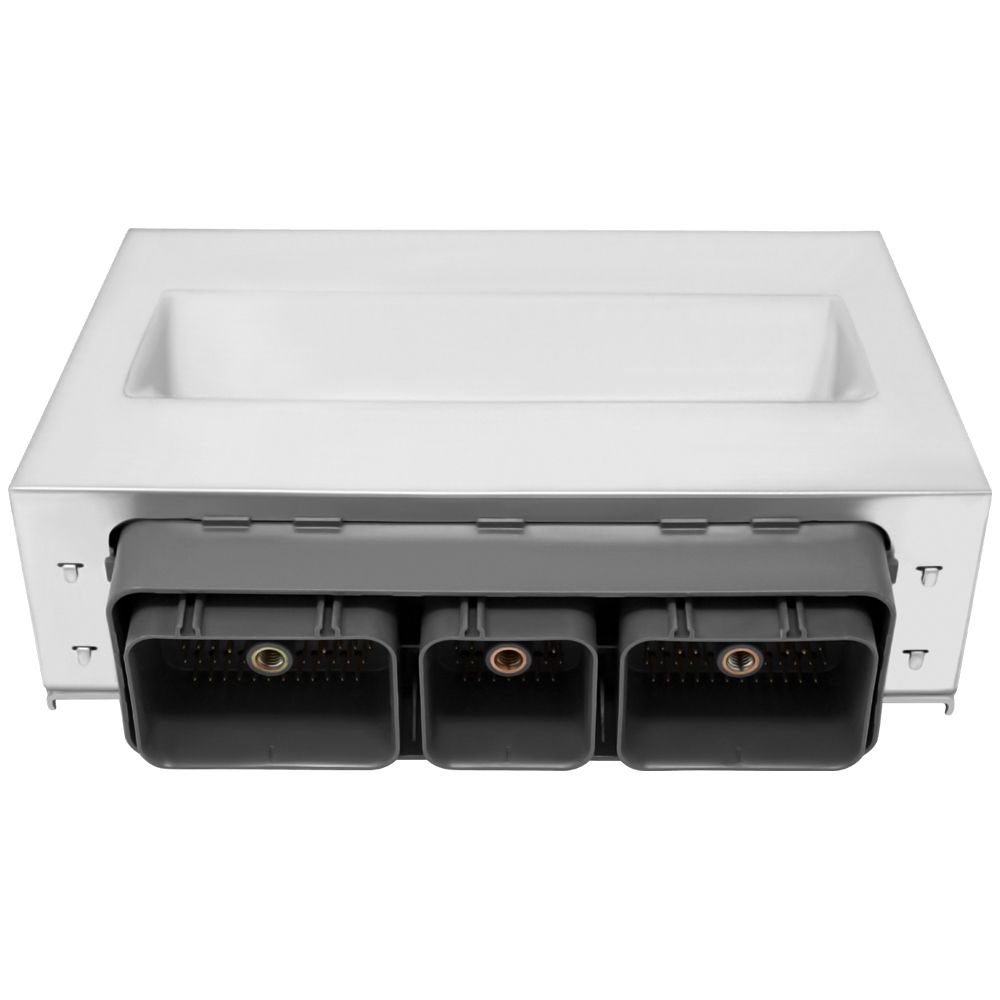
Flagship One stocks a refurbished, VIN-programmed PCM for the 2003 Ford Explorer with a lifetime warranty, free shipping and no core charge. The full Ford Explorer module lineup covers other engine configurations as well.
The Powertrain Control Module in your 2003 Ford Explorer 4.6L plays a vital role in maintaining smooth operation and performance. Recognizing the signs of failure, understanding the replacement process, and choosing the right module can help you address issues efficiently. Whether you’re dealing with stalling, misfires, or communication errors, a properly programmed replacement unit can get your Explorer back on the road with minimal downtime. Taking preventive measures, such as maintaining electrical connections and addressing fault codes promptly, can also extend the life of your new module.