
Last updated on August 25th, 2026 at 01:35 pm
The Powertrain Control Module (PCM) in your 2007 Ford Explorer manages engine and transmission functions. A failing PCM may cause erratic performance, no-start conditions, or stored trouble codes like P0606, often tied to electrical issues or internal faults.
If your 2007 Ford Explorer has been acting unpredictably—stalling at stops, hesitating under acceleration, or refusing to start—you may be dealing with a failing Powertrain Control Module (PCM). This small but critical computer oversees everything from fuel delivery to transmission shifts, and when it malfunctions, the symptoms can range from subtle drivability quirks to complete immobilization. Replacing the PCM isn’t just about swapping a part; it involves precise labor steps, relearn procedures, and often, reprogramming to ensure the vehicle’s security system recognizes the new module. Understanding the process, the symptoms, and the factory requirements can help you make an informed decision, whether you’re tackling the job yourself or working with a shop. This guide breaks down what the PCM does in your Explorer, how to spot failure signs, and what to expect during replacement—so you can get back on the road with confidence.
The Powertrain Control Module (PCM) in your 2007 Ford Explorer is the brain behind the engine and transmission. It continuously monitors sensors for data like throttle position, oxygen levels, and engine speed, then adjusts fuel injection, ignition timing, and shift points in real time to keep the vehicle running smoothly. Without a properly functioning PCM, your Explorer may struggle with poor fuel economy, rough idling, or even fail to start. The module also plays a key role in emissions control, ensuring the vehicle meets regulatory standards. When it fails, you might notice symptoms like erratic shifting, a check engine light, or a complete loss of communication with diagnostic tools. Replacing the PCM isn’t just about restoring function—it’s about ensuring the vehicle’s systems work in harmony. For owners of the 2007 Ford Explorer, replacement engine computers for the Explorer are designed to plug in seamlessly, but factory procedures often require additional steps to sync the module with the vehicle’s security and drivetrain systems.
2007 Ford Explorer 4.6L
OEM programmed replacements — plug & play, no dealer visit.
Find yours by year, make & model →
Free shipping · Lifetime warranty
In the 2007 Ford Explorer, the PCM is located behind the right side of the dashboard, near the passenger-side footwell. Accessing it requires removing interior panels, which can be time-consuming but doesn’t typically require specialized tools. According to factory labor estimates, replacing the PCM takes about 0.6 hours, assuming no complications like corroded connectors or damaged wiring. Once the old module is removed, the new unit is installed in the same location, secured with mounting hardware, and reconnected to the vehicle’s wiring harness. It’s important to ensure all connectors are fully seated to avoid intermittent electrical issues. After installation, the vehicle will require a relearn procedure, which adds another 0.5 hours of labor. This step is critical for syncing the PCM with the engine and transmission, as well as the Passive Anti-Theft System (PATS).
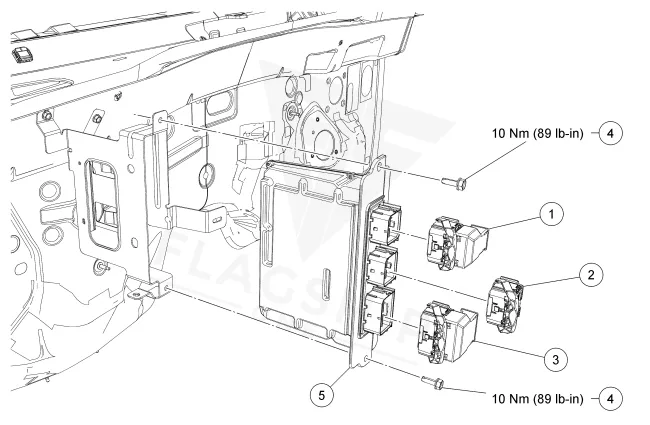
Work with the ignition off, and treat the module as static-sensitive: avoid touching the connector pins at any point.
| Operation | Configuration | Book Time |
|---|---|---|
| Powertrain Control Module R&R | All configurations | 0.6 hr |
| Powertrain Control Module Relearn | All configurations | 0.5 hr |
| Engine Control Module Relearn | All configurations | 0.5 hr |
| Engine Control Module R&R | All configurations | 0.6 hr |
A failing PCM in your 2007 Ford Explorer can manifest in a variety of ways, often mimicking other issues like fuel pump failure or transmission problems. One of the most common signs is a no-start condition, where the engine cranks but refuses to fire. This can happen intermittently or become a persistent issue, often tied to the PCM’s inability to communicate with the fuel injectors or ignition system. Other drivers report stalling at idle or during acceleration, particularly in cold weather, which may be accompanied by a check engine light. Hesitation or surging under load is another red flag, as the PCM struggles to adjust fuel delivery or timing correctly. Transmission shifting issues, such as delayed or harsh shifts, can also point to a PCM problem, especially if the module isn’t sending the right signals to the transmission control unit. On the diagnostic side, you might encounter a control module processor fault, which indicates an internal failure within the PCM itself. This code often triggers a check engine light and can lead to poor drivability if left unaddressed. Scan tool communication errors, where the PCM fails to respond to diagnostic requests, are another telltale sign of a failing module. If you’re experiencing any of these symptoms, it’s worth having the PCM checked, as ignoring the issue can lead to further drivability problems or even leave you stranded.
The 2007 Ford Explorer’s PCM can generate specific trouble codes when internal faults or communication issues arise. These codes help pinpoint the source of drivability problems, though they often require further diagnosis to confirm the PCM itself is the root cause. Below are the documented module-internal trouble codes for this vehicle.
| Code | Meaning | Full Guide |
|---|---|---|
| P0606 | Module processor failure | Full P0606 guide → |
Ford has issued several service bulletins addressing PCM-related issues in the 2007 Explorer, particularly for the 4.6L engine. TSB 09-22-06 covers a calibration update to address a check engine light triggered by cold-weather driving conditions, specifically citing diagnostic trouble code P0196. This update may resolve symptoms like rough idling or poor acceleration in low temperatures. Another bulletin, TSB 06-17-13, targets drivability concerns in the 4.0L engine, including surging, hesitation, torque converter cycling, and poor air conditioning performance. While this bulletin doesn’t directly apply to the 4.6L model, it highlights the importance of keeping the PCM updated to avoid similar issues. If your Explorer is experiencing any of these symptoms, checking for applicable TSBs and calibration updates could save time and expense during diagnosis.
| Bulletin | Subject | What It Addresses |
|---|---|---|
| 08-01-03 | 4.0L – PCM BRACKET BUZZ/HUM NOISE FROM CENTER/RIGHT SIDE DASH AREA | — |
| 09-22-06 | 4.6L ENGINE – CALIBRATION UPDATE – CHECK ENGINE LIGHT ON – COLD WEATHER DRIVING CONDITIONS – DT | — |
| 06-17-13 | CALIBRATION UPDATE 4.0L – SURGE, HESITATION, TORQUE CONVERTER CYCLING, NO UP SHIFT AFTER A FORC | — |
Stalling at stops can be caused by several issues, including a failing PCM. The module controls idle speed and fuel delivery, so if it’s not sending the correct signals, the engine may stall. Other potential causes include a dirty throttle body, vacuum leaks, or a faulty idle air control valve. A diagnostic scan can help determine if the PCM is the root of the problem.
In your Explorer, the terms PCM (Powertrain Control Module) and ECM (Engine Control Module) are often used interchangeably, but they refer to the same unit. The PCM combines the functions of an ECM and a transmission control module, managing both engine and transmission operations. This integrated approach simplifies wiring and improves communication between systems.
Replacing the PCM is a straightforward process, but it does require some mechanical skill, particularly when accessing the module behind the dashboard. The bigger challenge is the relearn procedure, which often requires specialized tools and software to reprogram the PATS system. If you’re comfortable with basic electrical work and have access to the necessary tools, a DIY replacement is possible. Otherwise, a professional shop can handle the job more efficiently.
A P0606 code indicates an internal processor fault within the PCM. This can be caused by electrical issues, such as voltage spikes or corrosion, or by a failing module. The code often triggers a check engine light and can lead to drivability problems like stalling or poor acceleration. If the code persists after clearing it, the PCM may need to be replaced.
If your vehicle is experiencing drivability issues like surging, hesitation, or stalling, and a diagnostic scan reveals PCM-related trouble codes, reprogramming may resolve the problem. However, if the module is physically damaged, corroded, or fails to communicate with a scan tool, replacement is the only option. A professional diagnostic can help determine the best course of action.
If your 2007 Ford Explorer is showing signs of PCM failure, you have a few options to consider. A repair shop can diagnose the issue and perform a replacement, but this often involves additional labor for programming and relearn procedures. Alternatively, opting for a pre-programmed replacement module can simplify the process, ensuring the new PCM is ready to install and sync with your vehicle’s systems right out of the box. Whether you choose a new or refurbished unit, addressing the issue promptly can restore your Explorer’s performance and reliability.
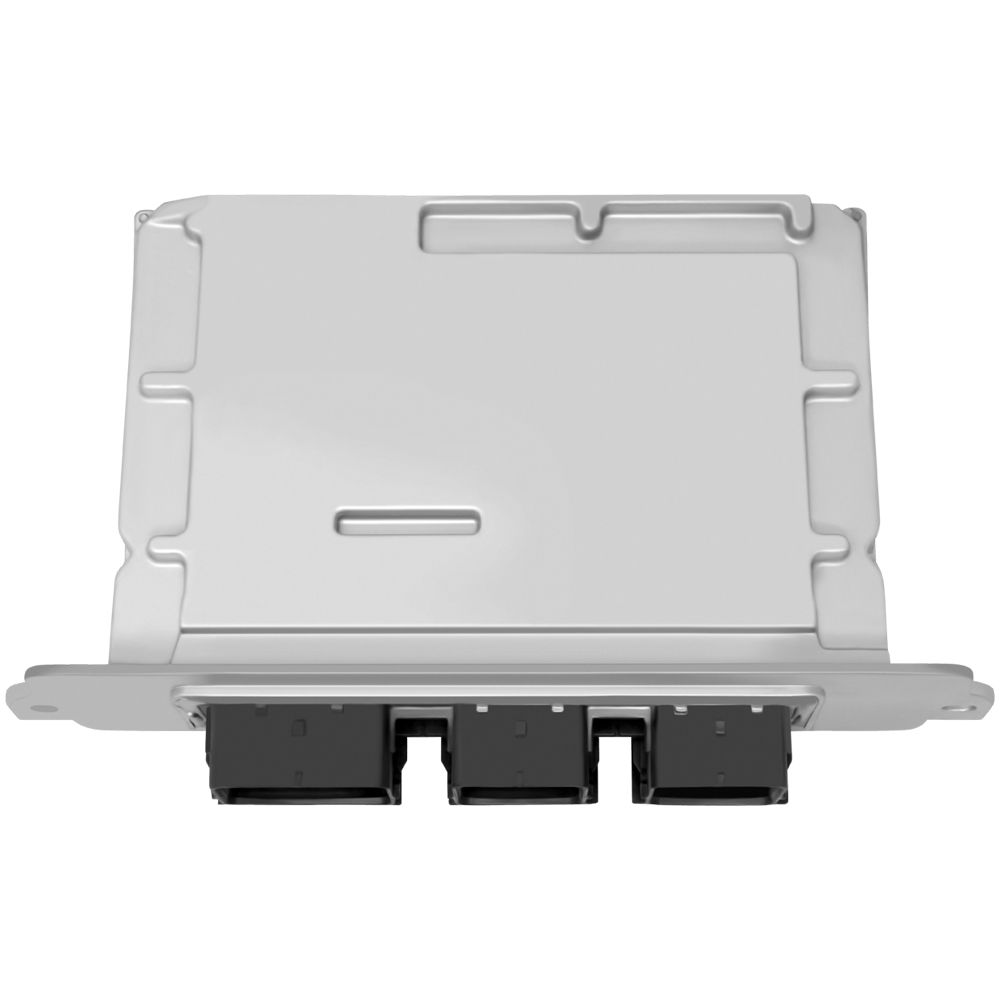
Flagship One stocks a refurbished, VIN-programmed PCM for the 2007 Ford Explorer with a lifetime warranty, free shipping and no core charge. The full Ford Explorer module lineup covers other engine configurations as well.
The Powertrain Control Module in your 2007 Ford Explorer plays a critical role in keeping your vehicle running smoothly. When it fails, the symptoms can range from subtle drivability quirks to complete immobilization, making timely replacement essential. Whether you’re dealing with stalling, hesitation, or a no-start condition, understanding the PCM’s function and the replacement process can help you make an informed decision. With the right approach—whether through a professional shop or a DIY installation—you can get your Explorer back on the road with confidence.