
Last updated on August 25th, 2026 at 01:36 pm
The Powertrain Control Module (PCM) or Engine Control Module (ECM) in your 2004 Ford Ranger manages fuel, ignition, and emissions systems. Failure may cause stalling, misfires, or a complete no-start condition, often triggered by electrical issues or internal faults.
If your 2004 Ford Ranger suddenly stalls at stoplights, cranks but won’t start, or throws cryptic check-engine lights, the Powertrain Control Module (PCM) or Engine Control Module (ECM) may be the culprit. This small but critical computer sits under the hood, managing everything from fuel injection to spark timing. When it fails, your Ranger may run poorly—or not at all. Replacing it isn’t just about swapping hardware; the new module must be programmed to your vehicle’s VIN and calibrated to work with the engine and transmission. This guide explains what the PCM/ECM does, where to find it, how replacement works, and why a pre-programmed unit can save you a trip to the dealer. You’ll also learn the warning signs of failure, how to protect the module from damage, and what to expect during the repair process. Whether you’re diagnosing a no-start issue or preparing for a replacement, this breakdown gives you the details to make informed decisions about your Ranger’s computer system.
The Powertrain Control Module (PCM) in your 2004 Ford Ranger is the brain behind the engine and transmission. It processes data from sensors monitoring oxygen levels, throttle position, engine temperature, and more to optimize fuel delivery, ignition timing, and emissions. Without it, your Ranger wouldn’t know how much fuel to inject or when to fire the spark plugs, leading to poor performance or a complete shutdown. The PCM also communicates with the transmission control module to ensure smooth gear shifts, making it essential for both drivability and efficiency. Over time, electrical surges, moisture, or internal component wear may cause the module to fail, resulting in symptoms like rough idling, stalling, or replacement engine computers for the Ranger throwing trouble codes. Because the PCM is tailored to your vehicle’s specific configuration, a direct replacement must be programmed with your Ranger’s VIN to function correctly. This ensures compatibility with the engine, transmission, and emissions systems, preventing issues like poor fuel economy or failed emissions tests.
2004 Ford Ranger 2.3L
OEM programmed ECM for your 2004 Ford Ranger 2.3L — plug & play, no dealer visit.
Free shipping · Lifetime warranty
In the 2004 Ford Ranger, the Powertrain Control Module (PCM) is mounted on the passenger side of the engine compartment, near the firewall. Accessing it requires removing a protective cover, which may involve unbolting a few fasteners. Once exposed, the module is secured with a single electrical connector and mounting bolts. Replacement involves disconnecting the battery, unplugging the connector, removing the bolts, and installing the new unit in reverse order. According to factory labor guides, the PCM removal and reinstallation (R&R) process typically takes 0.6 hours. The connector must be fully seated and locked to prevent electrical issues, and the mounting bolts should be tightened to the manufacturer’s specifications to avoid vibration or moisture intrusion. After installation, the module will need to be programmed to your Ranger’s VIN unless you’re using a pre-programmed replacement.
Work with the ignition off, and treat the module as static-sensitive: avoid touching the connector pins at any point.
| Operation | Configuration | Book Time |
|---|---|---|
| Powertrain Control Module R&R | All configurations | 0.6 hr |
| Powertrain Control Module Relearn | All configurations | 0.5 hr |
| Engine Control Module Relearn | All configurations | 0.5 hr |
| Engine Control Module R&R | All configurations | 0.6 hr |
After replacing the Powertrain Control Module (PCM) in your 2004 Ford Ranger, the new unit must undergo a programming procedure to sync with your vehicle’s systems. This involves uploading your Ranger’s VIN and calibration data to the module, a process that typically requires a dealer visit or a specialized scan tool. The factory procedure includes a relearn step, which takes about 0.5 hours and ensures the PCM communicates correctly with the engine, transmission, and emissions systems. Without this step, your Ranger may run poorly, throw trouble codes, or fail to start. However, if you install a VIN-programmed replacement unit, the module arrives ready to work with your specific vehicle, eliminating the need for on-site programming. This saves time and avoids the hassle of scheduling a dealer appointment. Simply bolt in the new PCM, reconnect the battery, and your Ranger should be back on the road without additional calibration steps.
When the Powertrain Control Module (PCM) in your 2004 Ford Ranger begins to fail, you may notice a range of symptoms that can mimic other issues. A common sign is a no-start condition, where the engine cranks but refuses to fire, often due to incorrect fuel or spark signals. Stalling at idle or during acceleration is another red flag, as the PCM may struggle to maintain stable engine operation. Rough idling, misfires, or hesitation under load can also point to PCM trouble, especially if accompanied by a check-engine light. In some cases, your Ranger may enter a “limp mode,” limiting engine power to prevent damage. Dead scan-tool communication is a telltale sign of a failed PCM, as the module may no longer respond to diagnostic requests. Transmission shifting issues, such as delayed or harsh gear changes, can also occur if the PCM isn’t properly controlling the transmission. One of the most specific indicators is the storage of internal PCM trouble codes, such as internal control module memory check sum error, which signals a fault within the module itself. If your Ranger exhibits any of these symptoms, the PCM should be tested before assuming other components are at fault.
Stalling after a PCM replacement often indicates a programming issue. The new module must be calibrated to your Ranger’s VIN and engine configuration. If the relearn procedure wasn’t completed, the PCM may not control fuel or ignition correctly, leading to stalling. A pre-programmed unit eliminates this step.
Driving with a failing PCM is risky. The module controls critical functions like fuel delivery and spark timing, so a fault may cause stalling, misfires, or even a no-start condition. If the PCM is completely dead, your Ranger won’t run at all. Address the issue promptly to avoid being stranded.
A bad PCM often triggers multiple trouble codes across different systems, such as fuel, ignition, and emissions. If sensors are failing, the codes will typically point to those specific components. Dead scan-tool communication is a strong indicator of PCM failure, as the module may no longer respond to diagnostics.
Yes, the PCM must be programmed with your Ranger’s VIN and calibration data to function correctly. This requires a dealer visit or a specialized scan tool unless you install a pre-programmed replacement unit. Skipping this step may result in poor performance or a no-start condition.
PCM failure in the Ranger is often caused by electrical issues, such as voltage spikes from a faulty alternator or battery. Moisture intrusion, corrosion on connectors, or internal component wear can also lead to failure. Poor grounding or jump-starting with incorrect voltage may damage the module over time.
If your 2004 Ford Ranger is experiencing PCM-related issues, you have two main options: repair or replacement. Repairing the module may be possible if the fault is minor, but it often requires specialized equipment and may not be cost-effective. A refurbished or new replacement unit, on the other hand, offers a reliable solution. Opting for a VIN-programmed replacement eliminates the need for dealer programming, saving time and hassle. Whether you’re dealing with a no-start condition or persistent trouble codes, a properly programmed PCM ensures your Ranger runs smoothly without additional calibration steps.
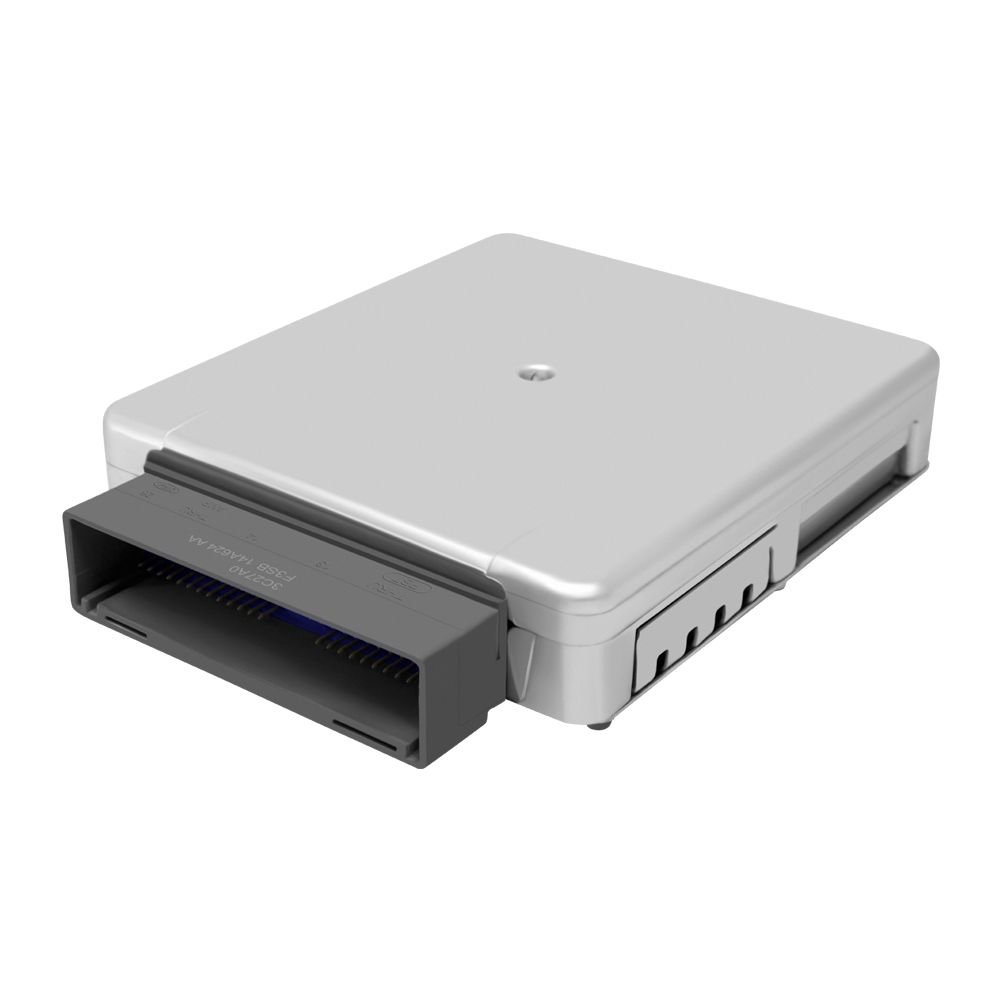
Flagship One stocks a refurbished, VIN-programmed PCM for the 2004 Ford Ranger with a lifetime warranty, free shipping and no core charge. The full Ford Ranger module lineup covers other engine configurations as well.
The Powertrain Control Module (PCM) in your 2004 Ford Ranger is a critical component that manages engine performance, fuel efficiency, and emissions. When it fails, symptoms like stalling, misfires, or a no-start condition can leave you stranded. Replacing the PCM is a straightforward process, but programming it to your vehicle’s VIN is essential for proper operation. By choosing a pre-programmed unit, you can avoid the hassle of dealer visits and get your Ranger back on the road quickly. Regular maintenance, such as keeping the battery charged and connectors clean, can help extend the life of your new PCM and prevent future issues.