
Last updated on August 25th, 2026 at 01:40 pm
In the 1992 Ford Tempo, the Powertrain Control Module (PCM) and Engine Control Module (ECM) serve as the vehicle’s central computers, managing fuel delivery, ignition timing, and transmission control. A malfunction can interrupt engine operation, cause stalling, or prevent the vehicle from starting, often triggering diagnostic trouble codes.
When a 1992 Ford Tempo begins to exhibit intermittent power loss, rough idle, or complete loss of drive, the vehicle’s electronic control units are often at the root of the problem. Understanding how the Powertrain Control Module (PCM) and Engine Control Module (ECM) function in this specific model helps you diagnose issues accurately and decide whether a repair or replacement is warranted. This guide walks you through the role of each module, where they reside, the labor involved in swapping them, and the post‑install procedures that ensure your Tempo returns to reliable operation.
1992 Ford Tempo
OEM programmed ECM for your 1992 Ford Tempo — plug & play, no dealer visit.
Free shipping · Lifetime warranty
The PCM in a 1992 Ford Tempo acts as the brain that coordinates engine and transmission functions, interpreting sensor inputs to adjust fuel injection and gear shifts. Likewise, the ECM focuses on engine‑specific parameters, such as ignition timing and emissions control. Both modules are essential for maintaining smooth performance and preventing drivability problems. A failure in either unit may result in loss of power, stalling, or a complete no‑start condition, especially because the vehicle relies on these computers for real‑time adjustments. Proper operation is critical to keep the engine running within design specifications and to avoid damage to related components. For owners seeking a direct swap, replacement engine computers for the 1992 Ford Tempo provide a straightforward path to restoring functionality.
In the 1992 Ford Tempo, the PCM and ECM are mounted within the engine compartment, typically attached to the firewall or a bracket near the intake manifold. Access requires removal of a few protective covers and disconnecting the main power connector. The labor book time lists 1.3 hours for removing and reinstalling the PCM on the 2.3L engine, and the same duration applies to the ECM. The procedure involves disconnecting sensor harnesses, unbolting the unit, and securing the replacement with the original fasteners. No specific torque values are provided, so follow standard manufacturer tightening practices to ensure a solid connection.
| Operation | Configuration | Book Time |
|---|---|---|
| Powertrain Control Module R&R | 2.3L | 1.3 hr |
| Powertrain Control Module R&R | 3.0L | 0.9 hr |
| Powertrain Control Module Relearn | All configurations | 0.5 hr |
| Engine Control Module R&R | 2.3L | 1.3 hr |
| Engine Control Module R&R | 3.0L | 0.9 hr |
After installing a new PCM or ECM in the 1992 Ford Tempo, the factory process calls for a relearn cycle that lasts about half an hour to calibrate the module to the vehicle’s sensors. Flagship One supplies units that arrive already VIN‑programmed, meaning the essential calibration step is completed at the factory. Consequently, the only on‑site requirement is to run the standard relearn procedure, which ensures the replacement integrates smoothly with the existing system. This approach reduces shop time and minimizes the risk of post‑install issues. The VIN‑programmed unit eliminates the need for additional coding steps during installation.
Every VIN-programmed replacement unit from Flagship One arrives with these steps already completed.
A failing PCM or ECM in a 1992 Ford Tempo may manifest as a complete no‑start condition, rough idle, or intermittent stalling during acceleration. Drivers often notice a loss of power that coincides with a lack of response from the transmission, leading to unexpected gear shifts or a failure to engage. Diagnostic trouble codes may appear, such as internal processor fault, indicating the module is not communicating correctly with the vehicle’s systems. Additionally, the scan tool may lose connection entirely, and the engine may run poorly, showing misfire patterns or erratic fuel trim readings. These symptoms typically point to a compromised control unit rather than a simple sensor issue.
Yes, the PCM can be swapped with basic tools, following the 1.3‑hour labor guide. Ensure all connections are secure and run the relearn procedure after installation.
The PCM controls both engine and transmission functions, while the ECM focuses solely on engine management. Both are essential for proper operation.
Flagship One units arrive VIN‑programmed, so no additional programming tools are required beyond the standard relearn step.
Codes like P0601, which signal internal processor faults, often point to PCM or ECM issues.
The labor guide estimates about 1.3 hours for removal and installation, plus an additional 0.5 hours for the relearn process.
When a 1992 Ford Tempo experiences PCM or ECM problems, you can choose a factory‑refurbished unit or a new Flagship One replacement. Both options restore the vehicle’s electronic control, but the Flagship One part arrives VIN‑programmed, eliminating the need for on‑site coding. Consider your budget, warranty preferences, and the importance of a quick turnaround when deciding which path best fits your repair plan.
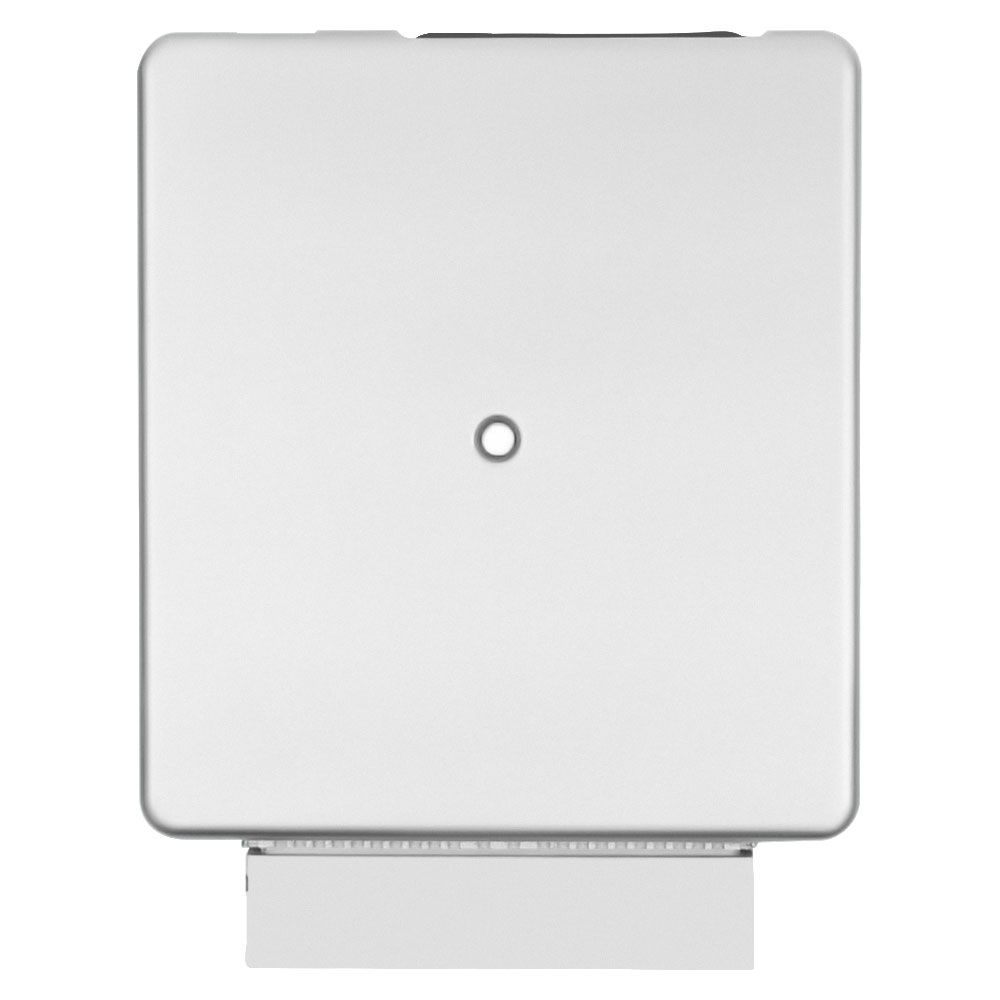
Flagship One stocks a refurbished, VIN-programmed PCM for the 1992 Ford Tempo with a lifetime warranty, free shipping and no core charge. The full Ford Tempo module lineup covers other engine configurations as well.
Replacing the PCM or ECM in your 1992 Ford Tempo can return reliable performance and eliminate frustrating drivability issues. Evaluate your options carefully, and remember that a properly programmed replacement will help keep your vehicle running smoothly for years to come.