
Last updated on August 25th, 2026 at 01:40 pm
The engine control module in your 1991 Ford Tempo manages fuel injection, ignition timing, and emissions systems. When it fails, you may experience stalling, poor acceleration, or a complete no-start condition. This small but critical component interprets sensor data to keep your engine running smoothly.
If your 1991 Ford Tempo has been acting up—stalling unexpectedly, refusing to start, or running rough—it may be time to consider the engine control module (ECM). This small but vital computer is responsible for managing fuel delivery, ignition timing, and emissions controls. Without it, your engine wouldn’t know how much fuel to inject or when to spark the plugs. Over time, these modules can degrade due to heat, vibration, or electrical issues, leading to frustrating drivability problems. Replacing the ECM isn’t overly complex, but it does require careful handling and, in some cases, a relearn procedure to ensure everything syncs up properly. Understanding the role of this component, how to spot its failures, and what replacement involves can save you time and guesswork when diagnosing issues with your Tempo.
1991 Ford Tempo 2.3L: When the
OEM programmed replacements — plug & play, no dealer visit.
Find yours by year, make & model →
Free shipping · Lifetime warranty
The engine control module in your 1991 Ford Tempo is the brain behind your engine’s operation. It constantly monitors inputs from sensors—like the throttle position, oxygen, and coolant temperature sensors—to adjust fuel injection and ignition timing in real time. This ensures your 2.3L engine runs efficiently, whether you’re idling at a stoplight or cruising on the highway. When the ECM fails, those adjustments go awry, leading to poor performance, reduced fuel economy, or even a complete breakdown. Replacing it isn’t just about swapping a box; the new module must be calibrated to your Tempo’s specific replacement engine computers for the Tempo to communicate properly with the rest of the vehicle’s systems. Without this calibration, your engine may run poorly or not at all, making the choice of replacement unit critical.
In the 1991 Ford Tempo, the engine control module is mounted inside the passenger compartment, typically behind the dashboard or near the glove box. Accessing it requires removing a few interior panels, which can be time-consuming but isn’t technically difficult. The factory labor guide allocates 1.2 hours for the removal and reinstallation process. This includes disconnecting the battery, unplugging the wiring harness, and carefully extracting the module from its mounting location. Once the old unit is out, the new ECM is installed in reverse order, ensuring all connectors are securely fastened. There’s no need for special tools, but patience is key—rushing could damage the wiring or the module itself.
| Operation | Configuration | Book Time |
|---|---|---|
| Engine Control Module R&R | All configurations | 1.2 hr |
| Powertrain Control Module R&R | All configurations | 1.2 hr |
| Powertrain Control Module Relearn | All configurations | 0.5 hr |
After installing a new engine control module in your 1991 Ford Tempo, the factory procedure requires a relearn process to synchronize the ECM with the vehicle’s sensors and systems. This typically involves a 0.5-hour procedure where the module adapts to your engine’s specific characteristics, such as idle speed and fuel trim. However, if you opt for a VIN-programmed replacement unit from Flagship One, this step is already completed before the module arrives. The unit is pre-configured to your Tempo’s VIN, so you can simply install it and drive, without needing additional programming tools or dealer visits. This not only saves time but also reduces the risk of errors during the relearn process, ensuring your engine runs smoothly from the first start.
When the engine control module in your 1991 Ford Tempo begins to fail, you’ll likely notice a range of symptoms that can make driving frustrating or even impossible. One of the most common signs is a no-start condition, where the engine cranks but refuses to fire up. This happens because the ECM isn’t sending the correct signals to the fuel injectors or ignition system. Stalling is another frequent issue, particularly at idle or during low-speed driving, as the module struggles to maintain stable engine operation. You may also experience rough idling, where the engine feels like it’s misfiring or running unevenly, or poor acceleration, where the Tempo hesitates or jerks when you press the gas pedal. In some cases, the check engine light may illuminate, though without OBD-II diagnostics, you won’t see specific trouble codes. If you’ve ruled out simpler issues like a dead battery or faulty spark plugs, the ECM is a likely culprit, especially if multiple symptoms appear simultaneously.
Common signs include a no-start condition, stalling, rough idle, or poor acceleration. If you’ve ruled out other issues like fuel delivery or ignition problems, the ECM may be the culprit. A professional scan tool can help confirm this by checking for internal fault codes.
Yes, but it requires patience and basic tools. The ECM is located behind the dashboard, so you’ll need to remove interior panels to access it. Disconnect the battery first, then carefully unplug the wiring harness before removing the module. Reinstallation is the reverse process.
Yes, the factory procedure requires a relearn process to synchronize the new ECM with your vehicle’s systems. However, Flagship One provides VIN-programmed units, so this step is already completed for you, saving time and hassle.
Heat, vibration, and electrical issues are the most common causes. Over time, these factors can degrade the module’s internal components, leading to failure. Poor battery or charging system health can also contribute to premature ECM failure.
It might, but there’s no guarantee. Used modules may have hidden issues or require reprogramming to match your Tempo’s VIN. A new or remanufactured VIN-programmed unit is a more reliable choice.
If your 1991 Ford Tempo is showing signs of ECM failure, you have a few options. You could attempt a repair, though diagnosing and fixing internal module issues is often complex and time-consuming. Alternatively, replacing the ECM with a new or remanufactured unit is a more straightforward solution. Opting for a VIN-programmed replacement from Flagship One ensures your Tempo is back on the road quickly, without the need for additional programming or dealer visits.
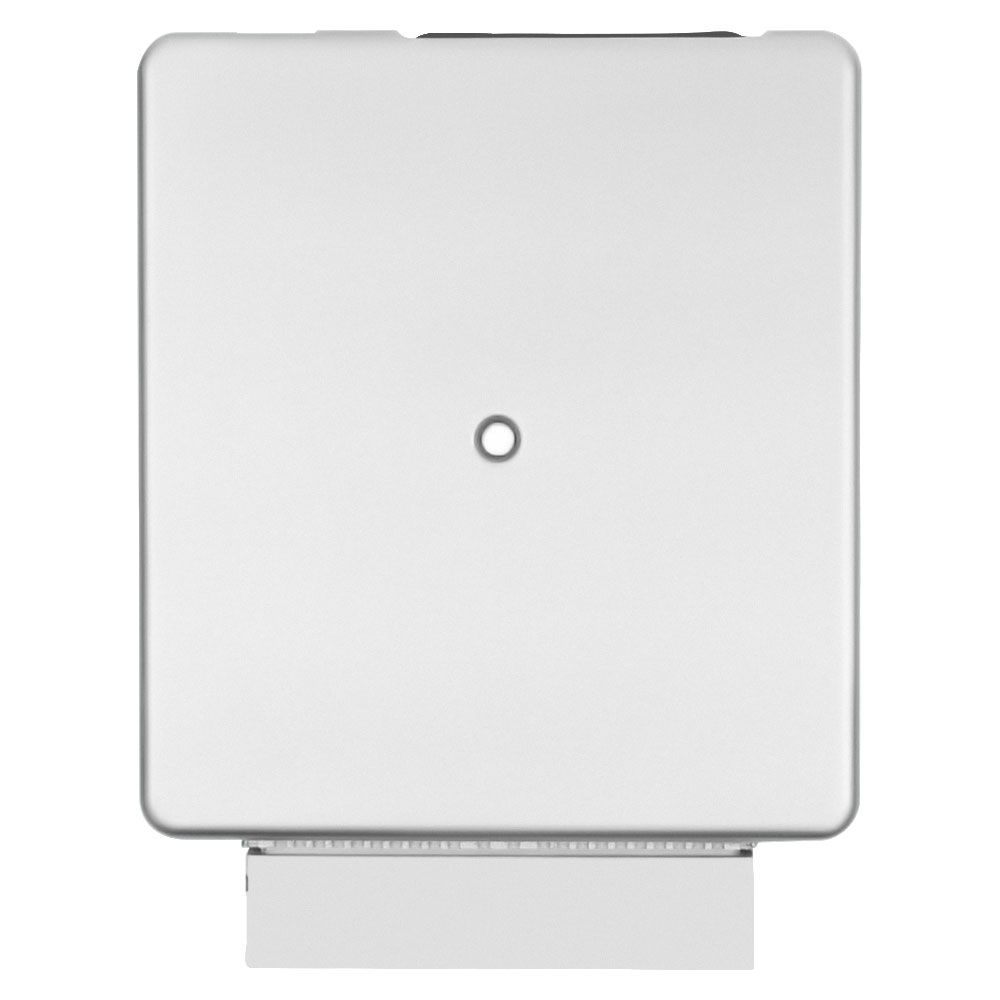
Flagship One stocks a refurbished, VIN-programmed PCM for the 1991 Ford Tempo with a lifetime warranty, free shipping and no core charge. The full Ford Tempo module lineup covers other engine configurations as well.
The engine control module in your 1991 Ford Tempo plays a crucial role in keeping your engine running smoothly. When it fails, the symptoms can range from annoying to downright frustrating. Replacing it with a VIN-programmed unit ensures a hassle-free installation and reliable performance. If your Tempo is exhibiting signs of ECM trouble, addressing it promptly can save you time and prevent further issues down the road.