
Last updated on August 25th, 2026 at 01:40 pm
In the 1993 Ford Tempo, the powertrain control module (PCM) and engine control module (ECM) manage fuel delivery, ignition timing, and transmission shift logic. When either unit fails, the engine may not start, idle roughly, or lose power, and the vehicle can exhibit shifting problems or loss of diagnostic communication.
When a 1993 Ford Tempo begins to hesitate, stalls, or refuses to start, the underlying cause often lies in the vehicle’s computer hardware. The powertrain control module (PCM) and engine control module (ECM) act as the brain for engine and transmission operation, translating sensor data into precise fuel and spark events. Understanding how these modules function, what symptoms signal a failure, and what steps are involved in a proper replacement can help you decide whether to pursue a repair or consider a refurbished unit. This guide walks you through the definition of each module, typical labor requirements, the programming steps the factory expects, and practical tips to keep the new hardware healthy.
1993 Ford Tempo
OEM programmed ECM for your 1993 Ford Tempo — plug & play, no dealer visit.
Free shipping · Lifetime warranty
The PCM in a 1993 Ford Tempo receives input from the throttle position sensor, mass‑air‑flow meter, and transmission speed sensors to coordinate fuel injection and shift timing. It also monitors engine speed, coolant temperature, and oxygen sensor feedback to maintain emissions compliance. The ECM performs a similar role for the engine, managing spark timing, idle control, and fuel trim based on real‑time data. Both modules are essential for smooth acceleration and reliable idle, and a malfunction can interrupt power delivery or cause harsh shifting. Proper operation ensures the vehicle meets its original performance specifications. replacement powertrain control modules for the 1993 Ford Tempo are designed to match the factory specifications and communicate with existing wiring harnesses.
Both the PCM and ECM are mounted in the engine compartment, typically secured to the firewall or a nearby bracket. Access usually involves disconnecting the battery, removing a few bolts, and unplugging the connector harnesses. The factory labor guide lists a removal and installation time of about 1.3 hours for each module, reflecting the steps needed to reach the unit, detach the wiring, and secure the new component. After installation, a PCM relearn procedure adds an additional 0.5 hours, during which the control strategies are calibrated to the vehicle’s sensors.
| Operation | Configuration | Book Time |
|---|---|---|
| Powertrain Control Module R&R | 2.3L | 1.3 hr |
| Powertrain Control Module R&R | 3.0L | 0.9 hr |
| Powertrain Control Module Relearn | All configurations | 0.5 hr |
| Engine Control Module R&R | 2.3L | 1.3 hr |
| Engine Control Module R&R | 3.0L | 0.9 hr |
Once the PCM or ECM is physically installed, the factory service procedure requires a relearn of the powertrain control strategies to ensure the new unit syncs with the engine and transmission sensors. This step typically takes half an hour of technician time. Flagship One units arrive already programmed to the vehicle’s VIN, so the relearn process is effectively completed before the part reaches your shop. a VIN-programmed replacement unit eliminates the need for a separate programming session, reducing labor and the chance of errors.
A failing PCM or ECM in a 1993 Ford Tempo often reveals itself through a no‑start condition, where the engine cranks but does not fire. Intermittent stalling at low speeds, rough idle, or sudden loss of power while accelerating may also appear. Drivers might notice harsh or delayed transmission shifts, especially when coming to a stop. In some cases, the diagnostic scanner will lose communication with the vehicle, indicating the control module is not responding. These signs typically point to internal circuitry or sensor‑processing failures within the computer.
Yes, because the PCM controls shift timing based on sensor input, a malfunction can lead to harsh or delayed gear changes.
Not necessarily; each module operates independently, so only the failed unit typically needs replacement.
The factory book lists about 1.3 hours for removal and installation of the ECM.
Factory programming is required, but a Flagship One unit arrives VIN‑programmed, eliminating the need for additional tools.
A successful relearn will restore normal idle and shift behavior, and the scan tool will report no pending calibration codes.
When faced with a defective PCM or ECM in your 1993 Ford Tempo, you can choose a repair that restores the original hardware or opt for a refurbished replacement that meets factory specifications. Both approaches require the same installation steps, but a pre‑programmed unit may save you the post‑install relearn time. Consider your budget, the availability of a quality used part, and the importance of minimizing shop labor when making your decision.
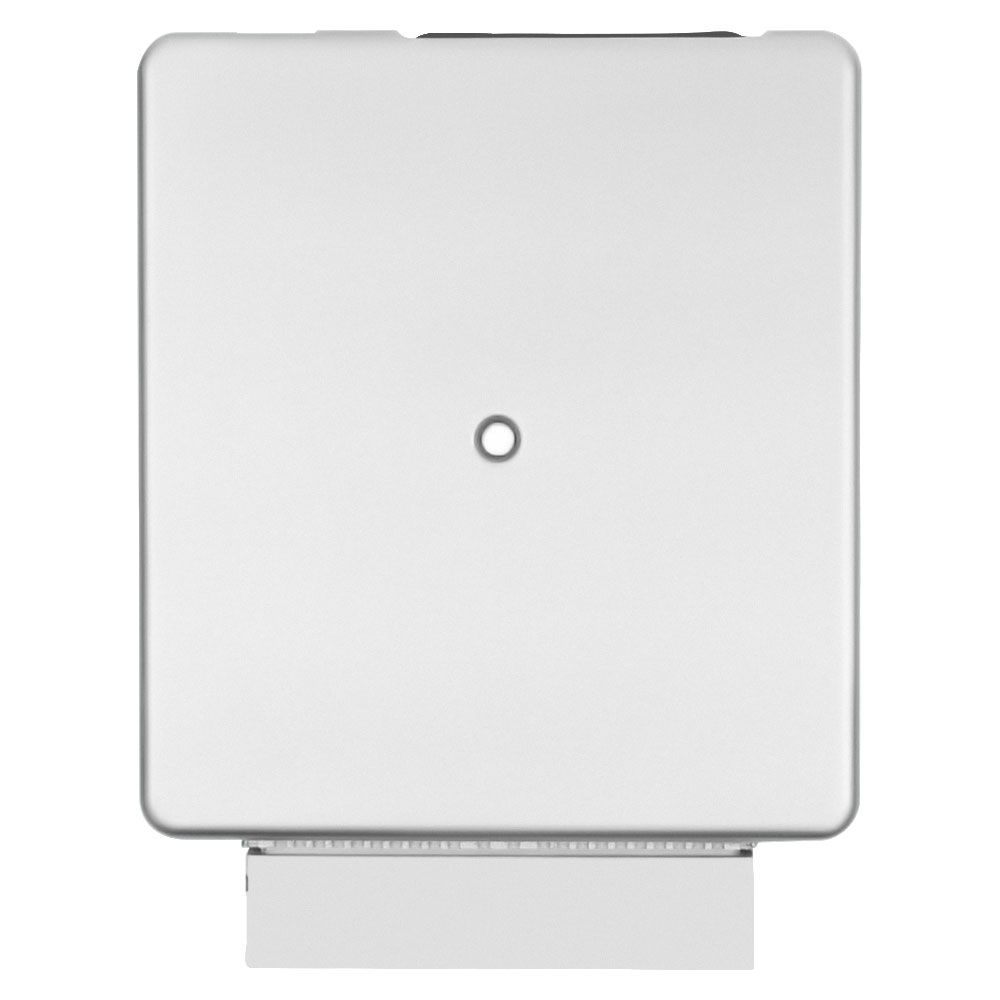
Flagship One stocks a refurbished, VIN-programmed PCM for the 1993 Ford Tempo with a lifetime warranty, free shipping and no core charge. The full Ford Tempo module lineup covers other engine configurations as well.
A malfunctioning PCM or ECM can leave a 1993 Ford Tempo unable to start or run smoothly. By understanding the role of these modules, the labor involved, and the benefits of a VIN‑programmed replacement, you can choose the repair path that best fits your needs and keep your vehicle reliable.