
Last updated on August 25th, 2026 at 01:39 pm
The Powertrain Control Module (PCM) in your 1994 Ford Tempo manages engine performance and transmission behavior. When it fails, you may experience stalling, poor acceleration, or a complete no-start condition.
If your 1994 Ford Tempo has begun stalling unexpectedly or refuses to start, the Powertrain Control Module (PCM) may be the culprit. This small but critical computer oversees everything from fuel injection to transmission shifts, acting as the brain of your vehicle’s drivetrain. When it malfunctions, symptoms can range from subtle performance hiccups to complete engine shutdown. Replacing the PCM isn’t just about swapping a part—it requires careful handling to ensure proper communication with your Tempo’s systems. Understanding what the PCM does, where it’s located, and what to expect during replacement can save you time and frustration. Whether you’re diagnosing an existing issue or preparing for potential repairs, knowing these details helps you make informed decisions about your vehicle’s health.
1994 Ford Tempo
OEM programmed ECM for your 1994 Ford Tempo — plug & play, no dealer visit.
Free shipping · Lifetime warranty
The Powertrain Control Module in your 1994 Ford Tempo serves as the central command for engine and transmission operations. It continuously monitors sensors to adjust fuel mixture, ignition timing, and shift points, ensuring smooth performance under varying conditions. Without a functioning PCM, your vehicle may struggle to start, idle erratically, or fail to accelerate properly. This module also plays a role in emissions control, helping your Tempo meet regulatory standards of its era. Over time, heat, vibration, and electrical fluctuations can degrade its internal components, leading to intermittent or permanent failure. When replacement becomes necessary, opting for replacement PCMs for the Tempo ensures compatibility with your vehicle’s specific engine and transmission configuration. The PCM’s reliability directly impacts drivability, so addressing issues promptly can prevent more extensive—and costly—problems down the road.
In the 1994 Ford Tempo, the Powertrain Control Module is mounted inside the passenger compartment, typically behind the glove box or under the dashboard. Accessing it involves removing a few trim panels and disconnecting the wiring harness, which requires basic hand tools. The factory labor time for removing and replacing the PCM is 0.9 hours, reflecting the straightforward nature of the job. Once the old unit is removed, the new module is secured in the same location, and the wiring harness is reconnected. No specialized torque specifications are required, but ensuring all connections are clean and secure is critical to prevent future electrical issues. The process is similar whether you’re working with the 2.3L or 3.0L engine, as both share the same installation procedure.
| Operation | Configuration | Book Time |
|---|---|---|
| Engine Control Module R&R | 3.0L | 0.9 hr |
| Engine Control Module R&R | 2.3L | 0.9 hr |
| Powertrain Control Module R&R | 3.0L | 0.9 hr |
| Powertrain Control Module R&R | 2.3L | 0.9 hr |
| Powertrain Control Module Relearn | All configurations | 0.5 hr |
After installing a new Powertrain Control Module in your 1994 Ford Tempo, the factory procedure requires a relearn process to synchronize the module with your vehicle’s systems. This step, which typically takes 0.5 hours, ensures the PCM recognizes sensor inputs and adjusts engine parameters correctly. However, a VIN-programmed replacement unit eliminates the need for this additional step, as it arrives pre-configured to match your Tempo’s specific calibration. Without this pre-programming, you may experience poor performance or even a no-start condition until the relearn is completed. Using a pre-programmed module not only saves time but also reduces the risk of complications during installation, allowing your vehicle to return to normal operation more quickly.
A failing Powertrain Control Module in your 1994 Ford Tempo often announces itself through a range of drivability issues. One of the most common signs is a no-start condition, where the engine cranks but fails to fire, often due to incorrect fuel or spark signals. Stalling at idle or during acceleration may also occur, particularly if the PCM loses communication with critical sensors. Some owners report rough idling or hesitation under load, which can mimic fuel delivery or ignition problems. In certain cases, the transmission may shift erratically or fail to engage gears properly, as the PCM also governs shift timing. Electrical gremlins, such as intermittent power loss to accessories, can sometimes trace back to the module as well. If your Tempo exhibits an internal control module memory check failure, it’s a strong indicator that the PCM is no longer functioning reliably. These symptoms often appear without warning and may worsen over time, making early diagnosis important to avoid being stranded.
If your 1994 Ford Tempo is experiencing PCM-related issues, you have options. A repair may be possible if the failure is isolated to a specific component, but replacement is often the most reliable solution. Opting for a pre-programmed unit ensures your vehicle returns to normal operation without the need for additional programming steps. Whether you choose a new or refurbished module, selecting one designed for your Tempo’s engine and transmission configuration is key to long-term performance.
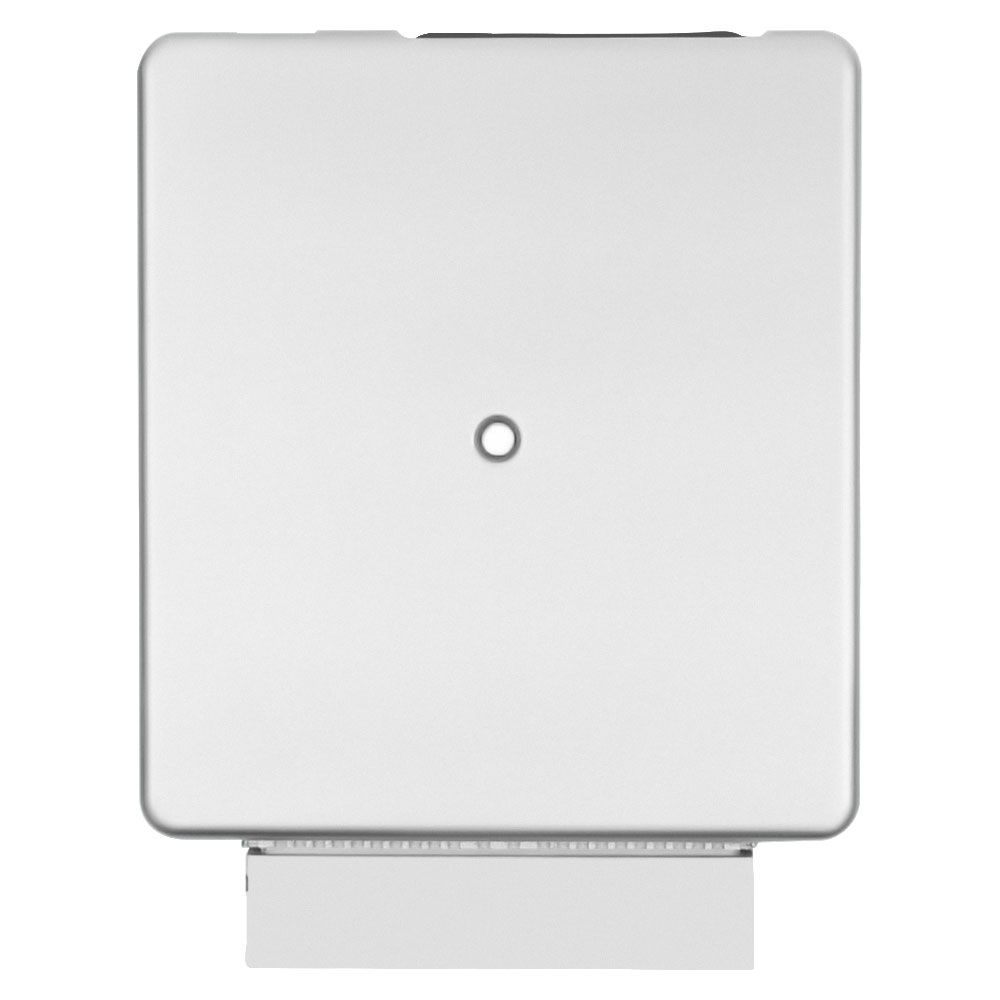
Flagship One stocks a refurbished, VIN-programmed PCM for the 1994 Ford Tempo with a lifetime warranty, free shipping and no core charge. The full Ford Tempo module lineup covers other engine configurations as well.
The Powertrain Control Module in your 1994 Ford Tempo plays a vital role in keeping your vehicle running smoothly. When it fails, symptoms like stalling or a no-start condition can leave you stranded. Understanding how the PCM works, where it’s located, and what replacement involves helps you make informed decisions about repairs. With the right approach, you can restore your Tempo’s reliability and get back on the road with confidence.