
Last updated on August 25th, 2026 at 01:15 pm
In a 1990 Ford Tempo, the Engine Control Module (ECM) manages fuel injection and ignition timing, while the Powertrain Control Module (PCM) controls transmission shift logic. A failure in either unit can cause starting problems, stalling, or erratic shifting.
You’re dealing with a 1990 Ford Tempo that’s been acting up—perhaps it won’t start, stalls on the road, or shifts oddly. Those symptoms can point to a malfunctioning Engine Control Module or Powertrain Control Module. Understanding how each computer works, where they sit in the car, and how long a replacement will take gives you a clear path forward. By the end of this guide you’ll know the exact steps to remove the old units, install new ones, and avoid common pitfalls that could leave you stranded on the side of the road.
1990 Ford Tempo
OEM programmed ECM for your 1990 Ford Tempo — plug & play, no dealer visit.
Free shipping · Lifetime warranty
The Engine Control Module in the 1990 Ford Tempo is the brain behind fuel delivery and ignition timing, ensuring the engine runs efficiently. The Powertrain Control Module, meanwhile, interprets input from the throttle, speed sensors, and shift lever to decide when and how the transmission engages gears. Together they keep the vehicle running smoothly. replacement engine computers for the 1990 Ford Tempo If either module stops communicating or miscalculates parameters, the engine may misfire, stall, or the transmission may shift unexpectedly. The PCM also handles emissions‑related functions, so a failure can lead to higher exhaust emissions and poor fuel economy. Replacing a faulty unit restores proper engine timing, fuel mixture, and shift logic, bringing the vehicle back to its expected performance level.
Both the ECM and PCM are seated under the driver’s side dashboard, accessed by removing a panel that covers the wiring harness. The service manual specifies a 1.2‑hour labor time for each module’s removal and installation. After the unit is removed, a quick inspection of the connector for corrosion or loose pins is advised. The new module is seated in the same location, then the panel is re‑fastened and the harness re‑connected. No special tools beyond standard hand tools are required for this procedure.
| Operation | Configuration | Book Time |
|---|---|---|
| Engine Control Module R&R | All configurations | 1.2 hr |
| Powertrain Control Module R&R | All configurations | 1.2 hr |
| Powertrain Control Module Relearn | All configurations | 0.5 hr |
After installing the new module, the factory procedure would normally require the technician to run a relearn cycle to sync the PCM with the vehicle’s current configuration. However, Flagship One units arrive already VIN‑programmed, eliminating the need for any manual coding or relearn steps. The shop simply installs the unit and verifies proper operation with a scan tool, ensuring the vehicle’s systems are ready to function immediately.
Every VIN-programmed replacement unit from Flagship One arrives with these steps already completed.
When the ECM or PCM fails, a 1990 Ford Tempo may exhibit a range of symptoms: the engine may not start, or it may idle roughly and then stall; the transmission may shift hard or skip gears; the engine may misfire, causing a rough idle or hesitation. A common code that signals a communication failure between the PCM and other modules is P0601, which indicates a malfunctioning powertrain control module. These symptoms can also trigger a check‑engine light or warning on the dash, alerting you that the vehicle’s control systems are not operating as intended.
The factory service bulletins for the 1990 Ford Tempo do not list any specific issues related to the Engine Control Module or Powertrain Control Module. No TSBs are available for these components at this time.
The service manual specifies a 1.2‑hour labor time for the removal and installation of the ECM. The PCM takes the same amount of time, and an additional 0.5‑hour relearn procedure is required if a new module is installed.
Flagship One units are shipped VIN‑programmed, so no additional coding or relearn steps are necessary after installation. The shop simply verifies proper operation with a scan tool.
Common signs include hard or erratic gear shifts, engine stalling, misfires, or a check‑engine light that illuminates without obvious codes. A P0601 code often points to communication problems with the PCM.
Using a generic unit may not match the vehicle’s specific calibration and could lead to improper operation. It’s recommended to use a manufacturer‑approved replacement that is VIN‑programmed.
Yes, the PCM monitors and adjusts the engine and transmission to meet emissions standards. A malfunctioning PCM can cause increased exhaust emissions and poor fuel economy.
If you’re ready to restore your 1990 Ford Tempo’s reliability, you have two practical options: a full diagnostic and repair of the existing module or a refurbished replacement that comes pre‑programmed. Either route will bring your vehicle back to its original performance. Contact your local shop or a trusted dealer to discuss the best solution for your specific situation.
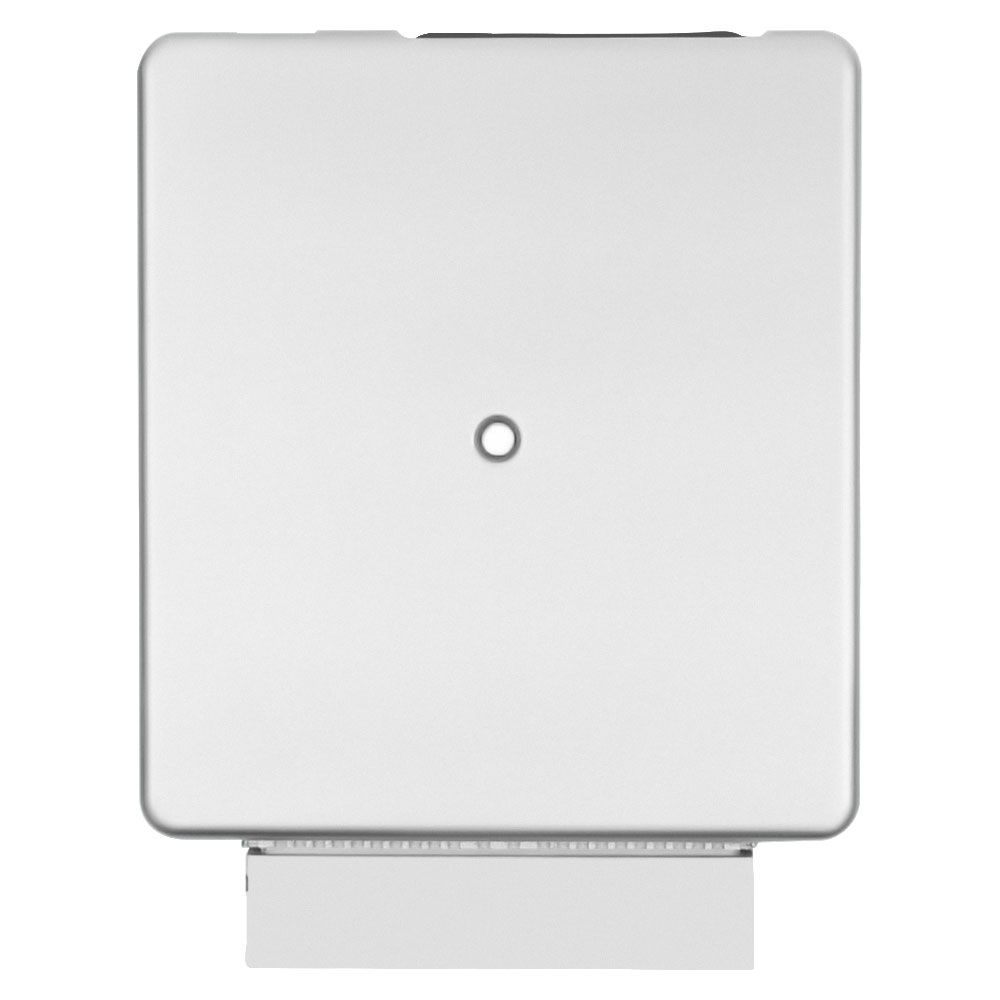
Flagship One stocks a refurbished, VIN-programmed PCM for the 1990 Ford Tempo with a lifetime warranty, free shipping and no core charge. The full Ford Tempo module lineup covers other engine configurations as well.
A 1990 Ford Tempo’s Engine Control Module and Powertrain Control Module are critical for smooth operation. With the right replacement and proper installation, you can eliminate common starting, stalling, and shifting problems. Reach out today to get your Tempo back on the road with confidence.