
Last updated on August 25th, 2026 at 01:45 pm
The Powertrain Control Module in a 2013 Nissan Quest manages engine timing and transmission shifts. A failure in this computer typically leads to erratic idling, poor fuel economy, or a complete inability to start the vehicle.
Owning a 2013 Nissan Quest means relying on a sophisticated network of electronics to manage the 3.5L engine. At the center of this network is the Powertrain Control Module, which acts as the primary coordinator for the vehicle’s mechanical operations. When this component begins to fail, the symptoms can be vague and frustrating, ranging from intermittent stalling to a complete loss of engine power. Understanding how this module functions and why it might fail is the first step toward a reliable repair. For many owners, the challenge lies in distinguishing between a faulty sensor and a failing computer. By identifying the specific behavioral patterns and trouble codes associated with the PCM, you can determine if a replacement is necessary. This guide provides the technical context needed to navigate the replacement process, explaining the role of the module and the labor involved in restoring your vehicle to a dependable operating state.
The Powertrain Control Module, often referred to as the PCM or ECM, serves as the central processing unit for the 2013 Nissan Quest. It constantly monitors a vast array of inputs from sensors throughout the engine bay, such as the mass airflow sensor and oxygen sensors, to determine the precise amount of fuel and spark timing required for efficient combustion. Beyond the engine, it also manages the transmission shift points to ensure smooth acceleration and optimal fuel economy. Because it controls so many critical systems, any internal circuitry failure can cause the vehicle to behave unpredictably or enter a limp mode to protect the hardware. When a technician recommends replacement computers for the 2013 Nissan Quest, they are suggesting a replacement of the entire logic board that governs these functions. This module is essential because it translates raw sensor data into mechanical action. Without a functioning PCM, the fuel injectors will not fire and the ignition coils will not trigger, leaving the vehicle completely immobilized. The complexity of the 3.5L engine requires this high level of electronic precision to maintain emissions standards and engine longevity.
Engine computer (ECM/PCM)
OEM programmed replacements — plug & play, no dealer visit.
Find yours by year, make & model →
Free shipping · Lifetime warranty
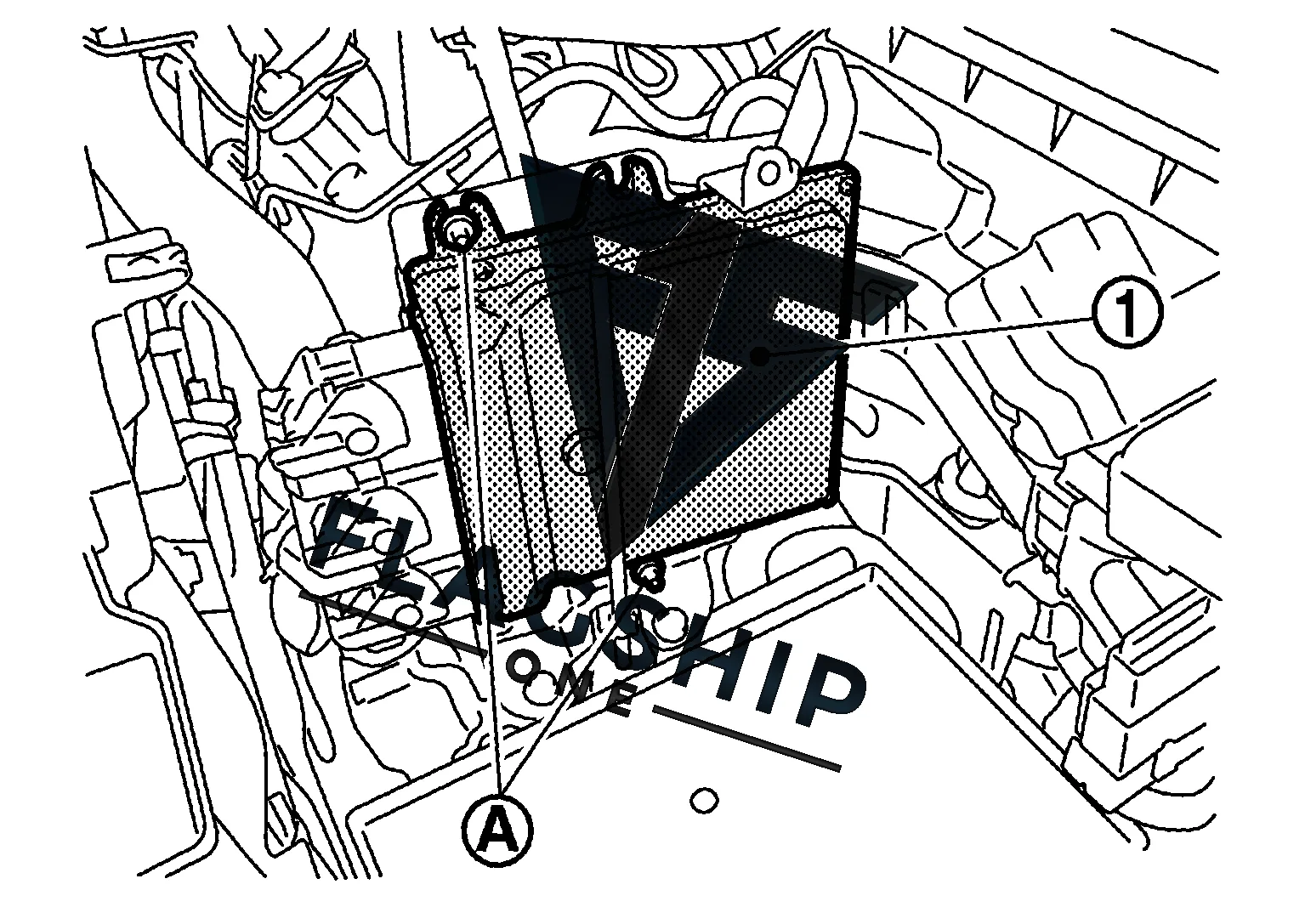
In the 2013 Nissan Quest, the module is positioned to be accessible for technicians, though the process requires precision. According to standard labor guides, the time allotted for removing and replacing the Powertrain Control Module is 1.8 hours. If the specific Engine Control Module is being addressed, the labor for its removal and installation is also listed at 1.8 hours. The process generally involves disconnecting the battery to prevent electrical surges, removing the mounting hardware, and carefully disconnecting the multi-pin wiring harnesses. It is important to ensure that the connectors are seated fully and locked into place to avoid intermittent communication errors after the unit is installed.
| Operation | Configuration | Book Time |
|---|---|---|
| Powertrain Control Module R&R | All configurations | 1.8 hr |
| Engine Control Module R&R | All configurations | 1.8 hr |
| Engine Control Module Relearn | All configurations | 0.5 hr |
Following the installation of a new module, the factory typically requires a specific relearn procedure to synchronize the computer with the vehicle’s mechanical state. This Engine Control Module relearn process is documented as taking 0.5 hours of labor. This step ensures that the computer is calibrated to the specific wear and tolerances of your engine. However, you can bypass the stress of dealership programming by using a VIN-programmed replacement unit from Flagship One. Because these units arrive with your specific vehicle identification number already flashed into the memory, the time-consuming programming steps are completed before the part ever reaches your door, allowing for a more direct installation process.
A failing PCM in a 2013 Nissan Quest often manifests as a series of erratic electronic glitches. You may experience a condition where the vehicle suddenly stalls while idling or fails to start entirely despite having a fully charged battery. In some cases, the engine may suffer from persistent misfires that do not resolve after replacing spark plugs or coils. Another common sign of failure is a total loss of communication with the onboard diagnostic port, meaning a scan tool cannot connect to the computer. You might also notice erratic shifting patterns or a transmission that feels like it is slipping. When the internal memory of the computer becomes corrupted, the system may trigger the P0605 internal fault to alert the driver that the module has detected a failure within its own circuitry. These symptoms are typically indicative of internal hardware degradation rather than a simple sensor failure, necessitating a full replacement of the module to restore vehicle stability.
The following list includes internal trouble codes specifically associated with the module’s own hardware failures for the 2013 Nissan Quest.
| Code | Meaning | Full Guide |
|---|---|---|
| P0605 | Internal ROM error | Full P0605 guide → |
Yes, internal failures in the module can cause the engine to lose timing or fuel control, leading to sudden stalling. This is often accompanied by a check engine light or a total loss of power.
While the factory process requires a dealership or specialized tool for programming, units from Flagship One come pre-programmed. This allows you to install the module without needing additional VIN flashing.
In many contexts, these terms are used interchangeably. The PCM generally refers to the combined power train control, while the ECM focuses specifically on the engine control.
The standard book time for removing and replacing the module is 1.8 hours. Additional time may be required for the relearn process if the unit is not pre-programmed.
Since P0605 is an internal module fault, replacing the computer is typically the only way to resolve this specific error, as it indicates a failure within the unit itself.
When facing a module failure, you have a choice between attempting a complex board repair or opting for a refurbished replacement. For the 2013 Nissan Quest, a professionally refurbished unit often provides the most reliable path to recovery, ensuring that the internal circuitry is tested and verified. Choosing a unit that is already matched to your VIN eliminates the risk of programming errors and reduces the time your vehicle spends in the shop.
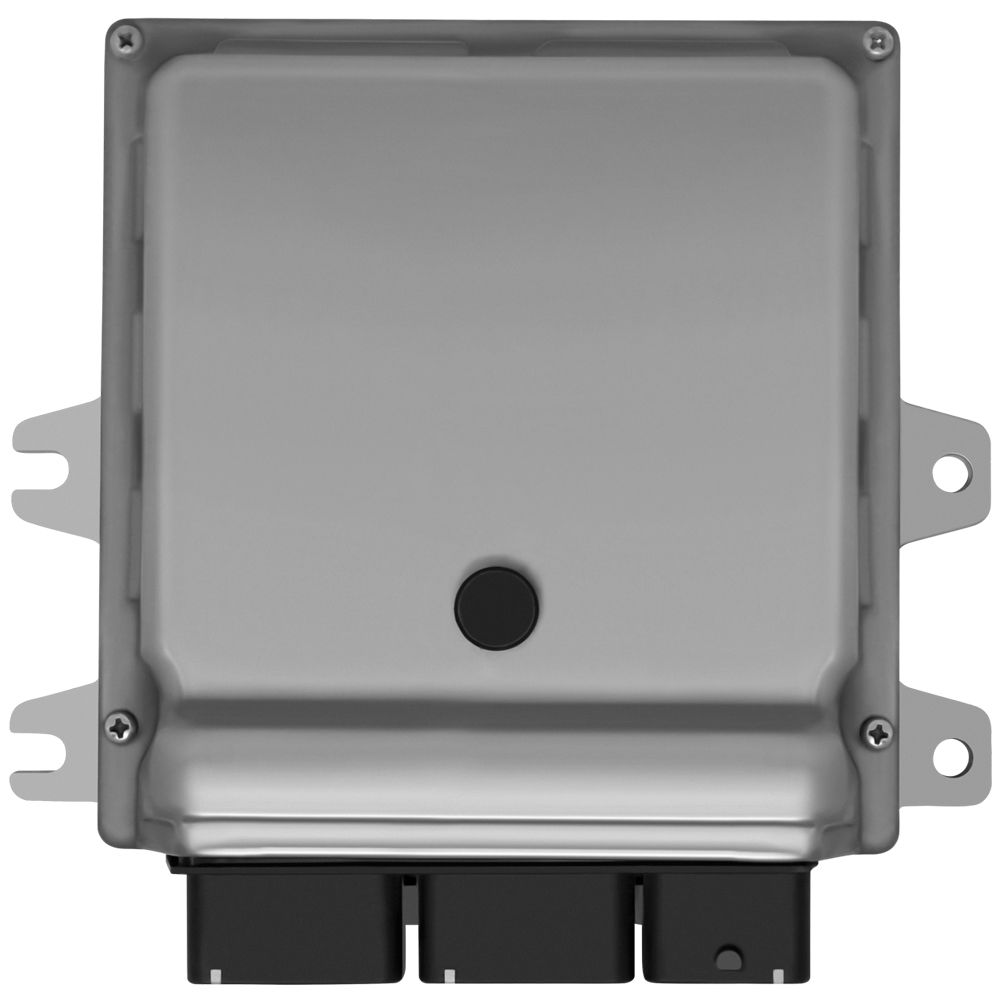
Flagship One stocks a refurbished, VIN-programmed PCM for the 2013 Nissan Quest with a lifetime warranty, free shipping and no core charge. The full Nissan Quest module lineup covers other engine configurations as well.
Restoring the electronic stability of your 2013 Nissan Quest requires a precise approach to the Powertrain Control Module. By understanding the symptoms and the necessary labor for replacement, you can ensure a successful repair. For those seeking a streamlined solution, Flagship One offers programmed modules designed to get your vehicle back on the road quickly.