
Last updated on August 25th, 2026 at 01:45 pm
The Engine Control Module (ECM) in your 2014 Nissan Quest manages fuel injection, ignition timing, and emissions systems. Failure may disrupt engine performance, causing stalling, poor acceleration, or communication errors with the scan tool.
If your 2014 Nissan Quest has been stalling unexpectedly, refusing to start, or flashing a check engine light with no clear cause, the Engine Control Module (ECM) may be at fault. This small but critical computer oversees everything from fuel delivery to ignition timing, ensuring smooth operation. When it fails, symptoms can range from subtle performance issues to complete engine shutdown. Replacing the ECM isn’t just about swapping a part—it involves precise labor, programming, and often a relearn procedure to sync the new module with your vehicle’s systems. Understanding these steps helps you avoid unnecessary delays or repeat visits to the shop. Whether you’re diagnosing a persistent trouble code or preparing for a replacement, knowing what to expect ensures your Quest runs reliably again.
The Engine Control Module in your 2014 Nissan Quest acts as the brain of the engine, continuously monitoring sensors and adjusting fuel, air, and spark to maintain optimal performance. It ensures your vehicle meets emissions standards while delivering the power you expect. Without a functioning ECM, the engine may run poorly or not at all, as critical signals for fuel injection and ignition timing are disrupted. Over time, electrical stress, heat, or moisture may degrade internal components, leading to intermittent or permanent failure. When replacement becomes necessary, you’ll need replacement engine computers for the Quest that match your vehicle’s specifications. A faulty ECM doesn’t just affect drivability—it can trigger a cascade of issues, from poor fuel economy to catalytic converter damage if left unaddressed.
2014 Nissan Quest
OEM programmed ECM for your 2014 Nissan Quest — plug & play, no dealer visit.
Free shipping · Lifetime warranty
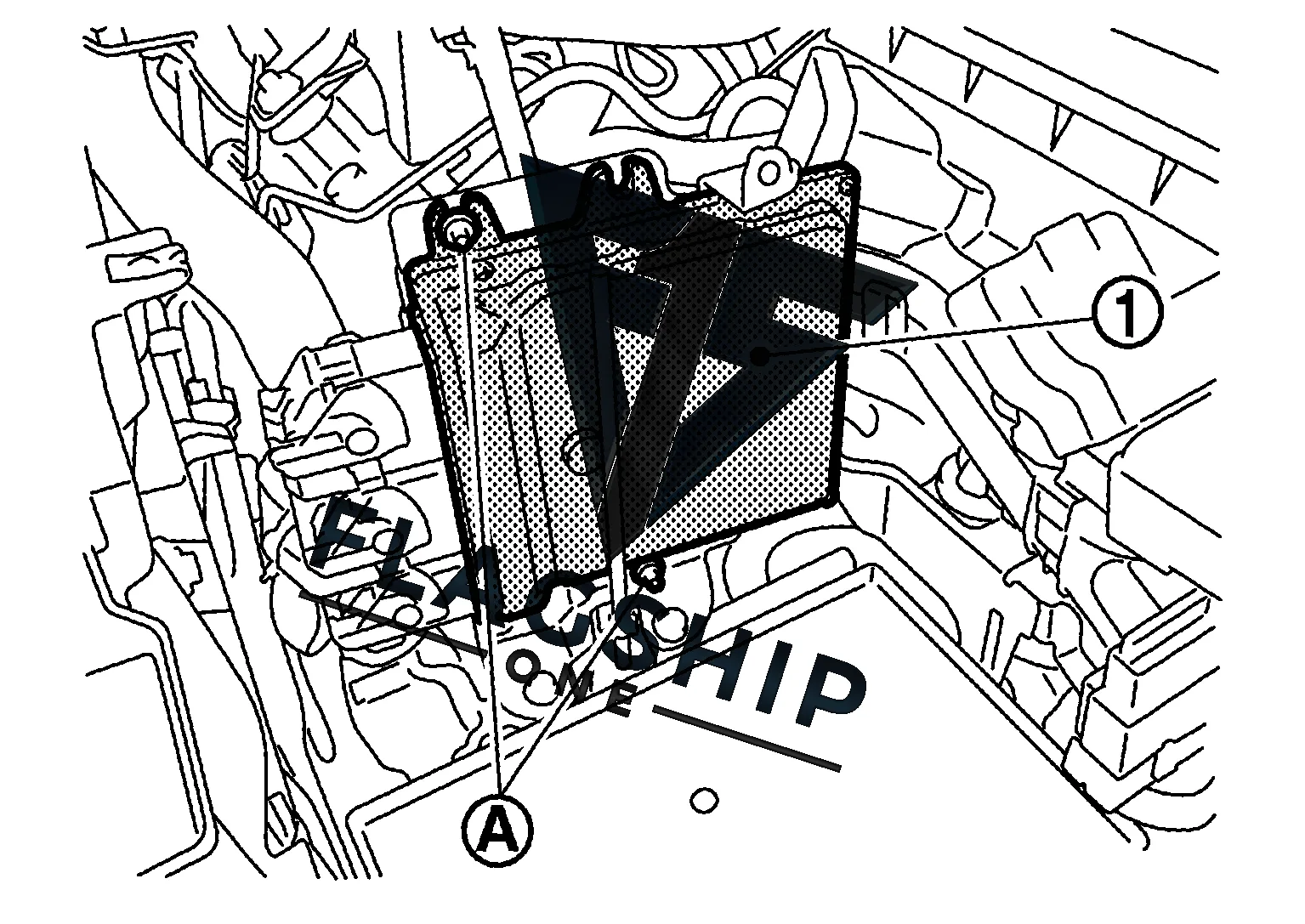
The ECM in the 2014 Nissan Quest is located behind the glove box, mounted on the passenger-side firewall. Accessing it requires removing the glove box assembly and possibly the lower dashboard panel for clearance. Once exposed, the module is secured with a single bolt and connected by a multi-pin harness. Replacement involves disconnecting the battery, unplugging the harness, removing the bolt, and carefully extracting the module. The labor time for this procedure is typically 1.8 hours, as the area is tight and requires patience to avoid damaging surrounding components. After installing the new ECM, the harness is reconnected, and the battery is restored to power up the system.
| Operation | Configuration | Book Time |
|---|---|---|
| Powertrain Control Module R&R | All configurations | 1.8 hr |
| Engine Control Module R&R | All configurations | 1.8 hr |
| Engine Control Module Relearn | All configurations | 0.5 hr |
After replacing the ECM in your 2014 Nissan Quest, the factory procedure requires a relearn process to synchronize the new module with the vehicle’s immobilizer and other systems. This step, which typically takes 0.5 hours, ensures the engine starts and runs correctly. However, if you install a VIN-programmed replacement unit, these steps are already completed at the factory. The module arrives pre-configured to your vehicle’s specifications, eliminating the need for additional programming or relearn procedures. This not only saves time but also reduces the risk of errors during the installation process, allowing your Quest to return to the road faster.
A failing ECM in your 2014 Nissan Quest may cause a variety of symptoms, often mimicking other issues like fuel pump failure or sensor malfunctions. Common signs include intermittent stalling, especially at idle or during deceleration, and difficulty starting the engine. You might also notice poor acceleration, rough running, or the check engine light illuminating with no clear cause. In some cases, the vehicle may enter a “limp mode,” limiting power to prevent further damage. Scan tool communication issues are another red flag—if the ECM isn’t responding, it may indicate internal failure. One documented trouble code for this vehicle is internal control module read-only memory error, which points directly to ECM problems. If you’re experiencing any of these symptoms, prompt diagnosis is key to avoiding more extensive repairs down the line.
The 2014 Nissan Quest may store specific trouble codes when the ECM begins to fail. These codes help pinpoint the issue and guide repairs. One documented code for this vehicle is listed below.
| Code | Meaning | Full Guide |
|---|---|---|
| P0605 | Internal ROM error | Full P0605 guide → |
Intermittent stalling in your Quest may stem from ECM failure, particularly if the module is losing communication with sensors or misfiring. The ECM controls fuel and ignition timing, so any disruption can cause the engine to cut out. A scan tool can confirm if the ECM is the culprit by checking for stored codes or communication errors.
A bad ECM often triggers multiple unrelated codes or causes the scan tool to lose communication entirely. Sensor issues typically generate specific codes tied to their function, like a P0171 for lean condition. If you’re seeing a mix of codes or no response from the ECM, the module itself may be failing.
While your Quest may still run with a P0605 code, driving with an active ECM fault risks further damage or sudden stalling. The code indicates a memory error in the module, which could worsen over time. It’s best to diagnose and address the issue as soon as possible to avoid being stranded.
Skipping the relearn procedure after ECM replacement may prevent your Quest from starting or cause it to run poorly. The relearn syncs the new module with the immobilizer and other systems, ensuring proper communication. Without it, the engine may crank but fail to fire, or it may run with reduced power.
Testing the ECM involves checking for proper voltage at the harness, verifying ground connections, and scanning for codes. A multimeter can confirm power and ground, while a scan tool checks for communication. If the ECM isn’t responding or shows internal faults like P0605, replacement is often the next step.
If your 2014 Nissan Quest is showing signs of ECM failure, you have options beyond a costly dealership replacement. A refurbished or remanufactured ECM, pre-programmed to your VIN, can restore functionality without the hassle of additional programming. This approach saves time and ensures compatibility, allowing you to get back on the road with minimal downtime. Whether you’re dealing with stalling, no-start conditions, or persistent trouble codes, a properly matched replacement unit addresses the root cause efficiently.
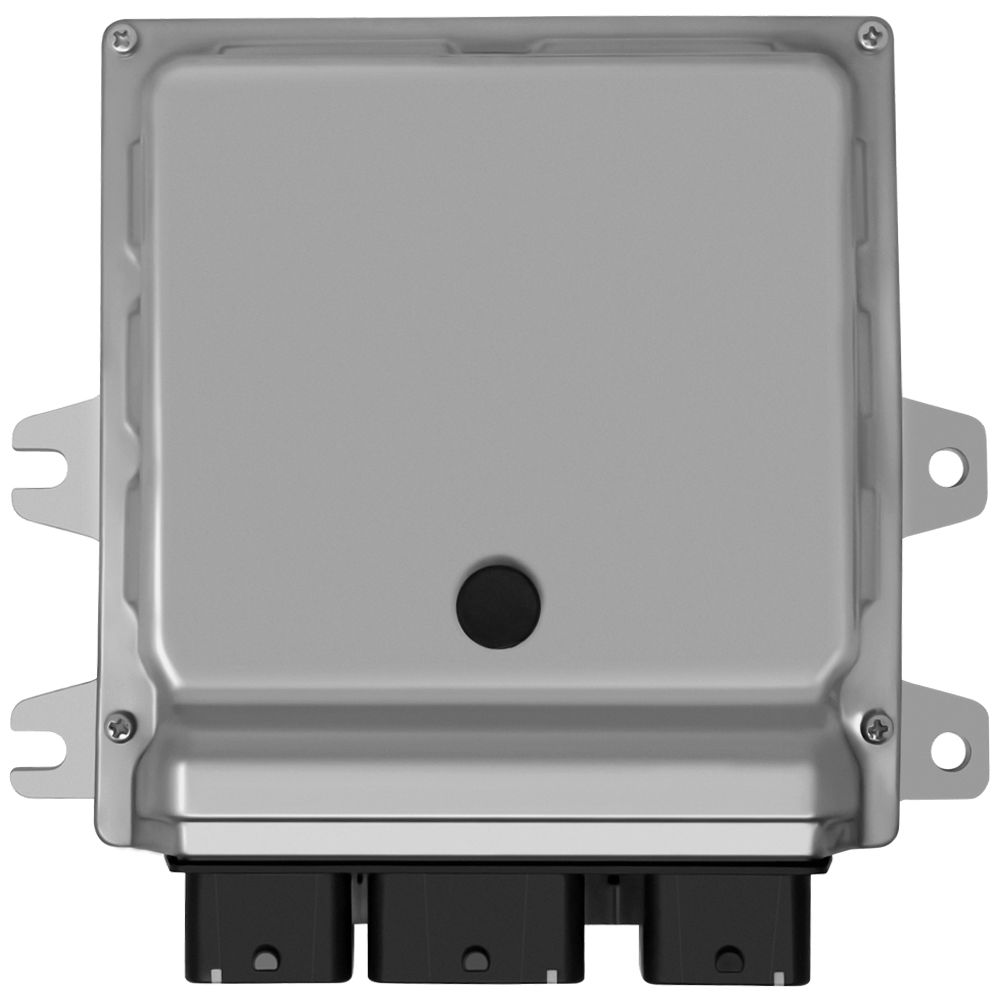
Flagship One stocks a refurbished, VIN-programmed PCM for the 2014 Nissan Quest with a lifetime warranty, free shipping and no core charge. The full Nissan Quest module lineup covers other engine configurations as well.
The ECM in your 2014 Nissan Quest plays a vital role in keeping your engine running smoothly. When it fails, symptoms like stalling, poor performance, or trouble codes can disrupt your daily routine. Replacing the module with a VIN-programmed unit ensures a seamless installation, avoiding the need for additional relearn procedures. If your Quest is showing signs of ECM trouble, addressing it promptly can prevent further issues and restore reliable operation.