
Last updated on August 25th, 2026 at 01:46 pm
The Engine Control Module (ECM) in the 2012 Nissan Quest manages fuel delivery, ignition timing, and emissions systems. Internal failures may trigger drivability issues or prevent the engine from starting.
If your 2012 Nissan Quest suddenly refuses to start or stalls unexpectedly, the Engine Control Module (ECM) may be the culprit. This small but critical computer manages everything from fuel injection to ignition timing, ensuring smooth operation. When it fails, symptoms can range from subtle drivability issues to complete engine shutdown. Replacing the ECM isn’t just about swapping parts—it requires precise labor and often a factory relearn procedure to restore full functionality. Understanding the process helps you avoid unnecessary delays and ensures your Quest runs reliably after repairs. Whether you’re diagnosing a persistent code or preparing for a replacement, knowing what to expect puts you in control of the repair process.
The Engine Control Module in your 2012 Nissan Quest acts as the brain of the engine, continuously monitoring sensors and adjusting fuel, air, and spark to maintain optimal performance. It ensures compliance with emissions standards while delivering the power and efficiency expected from the 3.5L V6. When this module malfunctions, the vehicle may experience erratic idling, poor acceleration, or even fail to start. Unlike generic engine computers, the Quest’s ECM is calibrated specifically for its drivetrain, meaning replacement engine control modules for the Nissan Quest must match the original specifications. Without proper function, the transmission may also shift unpredictably, as the ECM communicates directly with the transmission control system. Its role extends beyond basic engine management—it influences fuel economy, throttle response, and even the operation of the vehicle’s emissions systems, making it one of the most critical components under the hood.
2012 Nissan Quest
OEM programmed ECM for your 2012 Nissan Quest — plug & play, no dealer visit.
Free shipping · Lifetime warranty
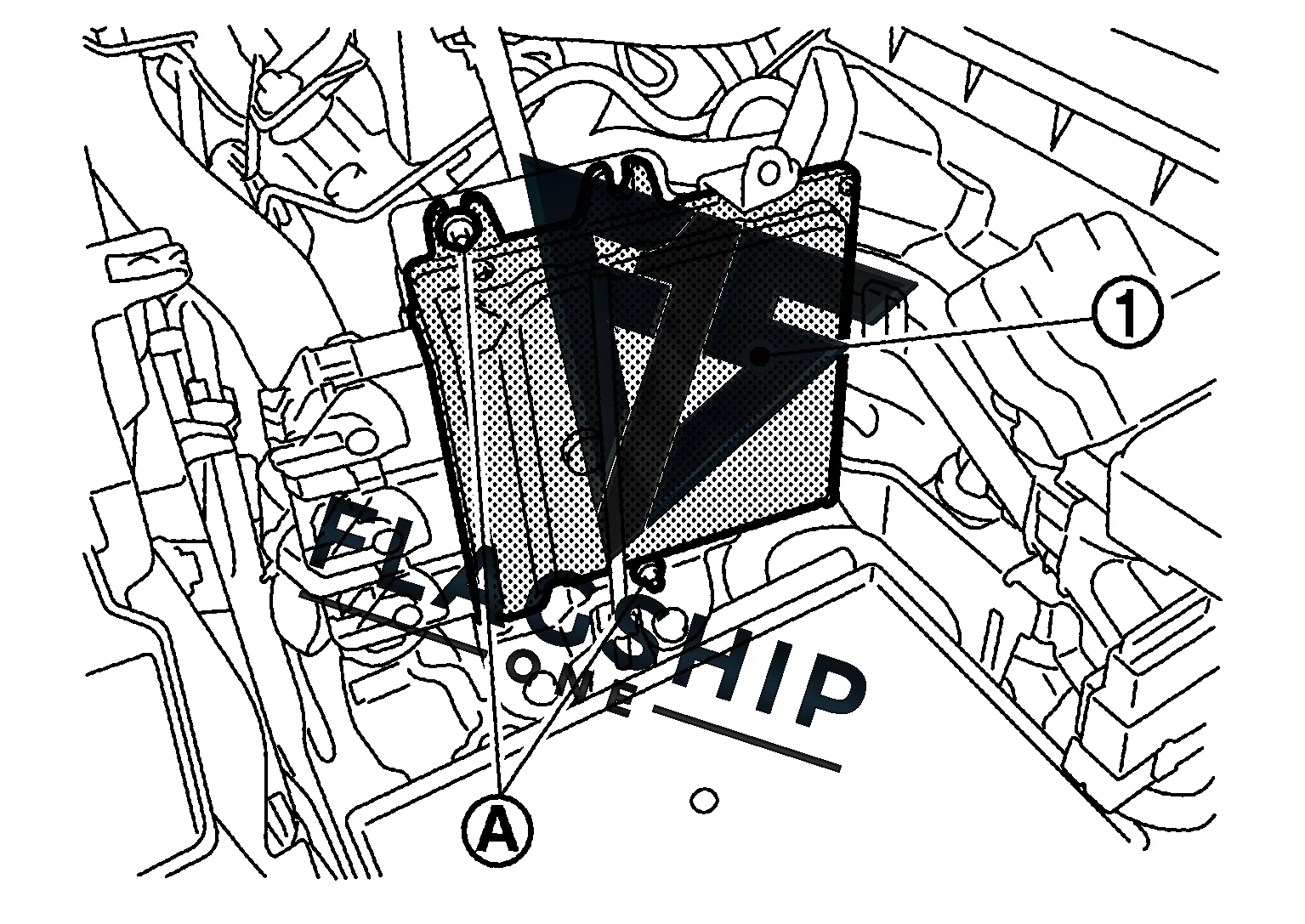
The ECM in the 2012 Nissan Quest is located behind the dashboard, near the passenger-side footwell. Accessing it requires removing interior trim panels and possibly the glove box to reach the mounting bracket. The replacement process involves disconnecting the battery, unplugging the wiring harness, and carefully removing the module from its mount. Labor time for removal and reinstallation is typically 1.8 hours, according to factory estimates. Once the new unit is installed, the electrical connections must be secured, and the battery reconnected. The location makes the job straightforward for a technician but requires patience to avoid damaging surrounding components. No special tools are needed beyond basic hand tools, though a torque wrench may be used to ensure proper fastener tightness if specified in the service manual.
| Operation | Configuration | Book Time |
|---|---|---|
| Powertrain Control Module R&R | All configurations | 1.8 hr |
| Engine Control Module R&R | All configurations | 1.8 hr |
| Engine Control Module Relearn | All configurations | 0.5 hr |
After installing a new ECM in your 2012 Nissan Quest, the factory procedure requires a 0.5-hour relearn process to synchronize the module with the vehicle’s systems. This step ensures the ECM recognizes the engine’s sensors, transmission, and emissions components. Without this relearn, the vehicle may run poorly or set additional trouble codes. However, when you install a VIN-programmed replacement unit, these steps are already completed at the factory. This eliminates the need for a dealer visit or specialized scan tool, saving time and reducing the risk of incomplete initialization. The pre-programmed unit arrives ready to plug in and drive, provided the battery is fully charged and all connections are secure. Always verify that the replacement ECM matches your Quest’s original part number to avoid compatibility issues.
A failing ECM in the 2012 Nissan Quest often announces itself through a range of symptoms. The most common sign is a no-start condition, where the engine cranks but refuses to fire. Stalling at idle or during acceleration may also occur, sometimes accompanied by rough running or misfires. Drivers might notice the check engine light illuminating, often with a module internal memory error stored in the system. In some cases, the vehicle may enter a limp-home mode, limiting power to prevent further damage. Scan tool communication issues can arise, making it difficult to retrieve codes or monitor live data. Transmission shifting may become erratic, as the ECM controls shift points and torque converter lockup. Less obvious symptoms include poor fuel economy or increased emissions, though these are harder to detect without diagnostic equipment. If multiple sensors begin reporting implausible values, the ECM itself may be the root cause rather than the sensors.
The 2012 Nissan Quest may store specific trouble codes when the ECM fails internally. These codes help pinpoint the issue and guide the repair process.
| Code | Meaning | Full Guide |
|---|---|---|
| P0605 | Internal ROM error | Full P0605 guide → |
Stalling after ECM replacement often indicates an incomplete relearn procedure or a mismatch between the module and the vehicle. Ensure the replacement unit is programmed for your Quest’s VIN. If the issue persists, check for additional codes or wiring faults that may interfere with communication.
Driving with a P0605 code is possible but not recommended. The code suggests an internal ECM fault, which may lead to unpredictable behavior, including stalling or failure to start. Addressing the issue promptly prevents further drivability problems or potential damage to other components.
Common signs include a no-start condition, stalling, or multiple unrelated sensor codes. A scan tool may also show communication errors with the ECM. If the vehicle runs poorly despite no obvious mechanical issues, the ECM should be tested or replaced.
Yes, the factory procedure requires a 0.5-hour relearn process to synchronize the new ECM with the vehicle’s systems. However, a pre-programmed replacement unit eliminates this step, as the module arrives ready for installation.
ECM failure can result from voltage spikes, moisture intrusion, or internal component degradation. Poor battery health, corroded connections, or improper jump-starting may also contribute. Regular maintenance of the electrical system helps extend the ECM’s lifespan.
When your 2012 Nissan Quest’s ECM fails, you have two primary options: repair or replacement. Refurbished units offer a cost-effective solution, especially when pre-programmed for your vehicle’s VIN. This eliminates the need for post-install programming and reduces downtime. Given the labor involved in accessing the ECM, choosing a reliable replacement unit ensures the repair is completed efficiently. Whether you opt for a dealer or aftermarket solution, verifying compatibility with your Quest’s 3.5L engine is critical for long-term reliability.
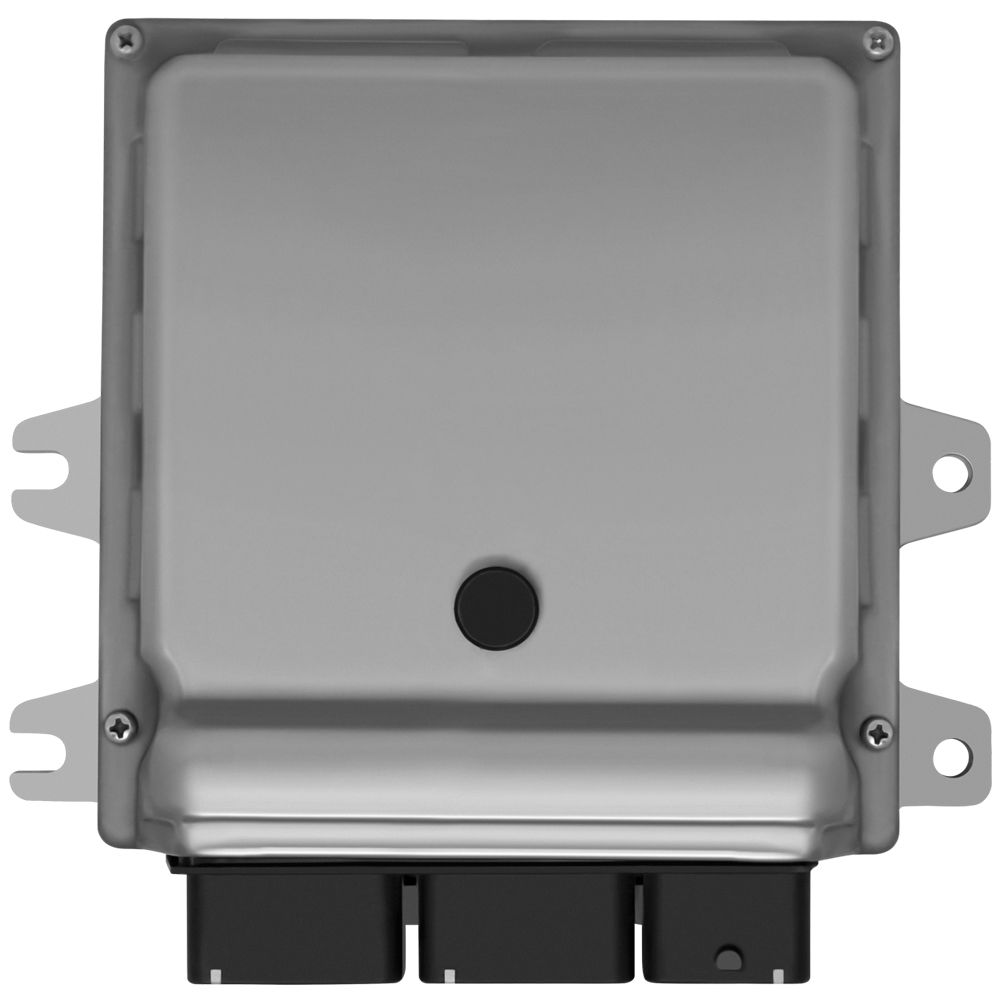
Flagship One stocks a refurbished, VIN-programmed PCM for the 2012 Nissan Quest with a lifetime warranty, free shipping and no core charge. The full Nissan Quest module lineup covers other engine configurations as well.
The 2012 Nissan Quest relies on its ECM to manage critical engine functions, and a failure can leave you stranded. Recognizing symptoms early and understanding the replacement process helps you make informed decisions. Whether you’re dealing with a no-start condition or persistent codes, addressing the issue promptly restores your Quest’s performance. With the right replacement unit, the repair is straightforward, allowing you to get back on the road with confidence.