
Last updated on August 25th, 2026 at 01:55 pm
The powertrain control module (PCM) in a 1996 Mitsubishi Eclipse manages fuel injection, ignition timing, and emissions systems. Failures may cause erratic engine behavior, poor performance, or complete stalls, often triggered by electrical issues or internal faults.
If your 1996 Mitsubishi Eclipse has been acting up—stalling at stops, refusing to start, or throwing mysterious check-engine lights—it may be time to consider the powertrain control module (PCM). This small but critical computer oversees everything from fuel delivery to ignition timing, and when it fails, your vehicle’s performance suffers. Replacing it isn’t just about swapping parts; the module must be properly programmed to match your Eclipse’s specific configuration. Understanding the process, from diagnosis to installation, can save you time and frustration. Whether you’re a DIYer or planning to visit a shop, knowing what to expect helps you make informed decisions about repairs. This guide covers the essentials: what the PCM does, where it’s located, common failure symptoms, and why a pre-programmed replacement can simplify the job.
1996 Mitsubishi Eclipse
OEM programmed ECM for your 1996 Mitsubishi Eclipse — plug & play, no dealer visit.
Free shipping · Lifetime warranty
The powertrain control module (PCM) in your 1996 Mitsubishi Eclipse is the brain behind the engine’s operation. It continuously monitors sensors for data like air intake, throttle position, and engine temperature, then adjusts fuel injection, ignition timing, and idle speed to keep everything running smoothly. Without a functioning PCM, the engine may run poorly or not at all. This module also plays a role in emissions control, ensuring your Eclipse meets regulatory standards. Over time, electrical surges, moisture, or internal component wear can degrade its performance, leading to symptoms like rough idling or sudden stalls. When replacement becomes necessary, replacement engine computers for the Eclipse are designed to restore full functionality, but they must be properly programmed to communicate with your vehicle’s systems. A faulty PCM doesn’t just affect drivability—it can trigger a cascade of issues, from poor fuel economy to transmission shifting problems, making timely repairs essential.
In the 1996 Mitsubishi Eclipse, the powertrain control module (PCM) is located behind the dashboard on the passenger side, near the firewall. Accessing it requires removing the lower dashboard panel, which is typically secured with a few screws or clips. Once the panel is off, the PCM is visible and can be unbolted from its mounting bracket. The factory labor estimate for removal and replacement (R&R) is 0.9 hours, which includes disconnecting the wiring harness and reinstalling the new module. There are no torque specifications provided for the mounting bolts, but they should be tightened securely to prevent vibration or movement. After installation, the module must be reconnected to the vehicle’s wiring, and the dashboard panel reinstalled. The process is straightforward but requires care to avoid damaging connectors or wiring during removal.
| Operation | Configuration | Book Time |
|---|---|---|
| Powertrain Control Module R&R | All configurations | 0.9 hr |
| Powertrain Control Module Relearn | All configurations | 0.5 hr |
| Engine Control Module R&R | All configurations | 0.9 hr |
After replacing the powertrain control module (PCM) in your 1996 Mitsubishi Eclipse, a relearn procedure is required to synchronize the new module with the vehicle’s systems. This process, which typically takes about 0.5 hours, ensures the PCM recognizes the engine’s sensors and operates correctly. Without this step, the engine may run poorly or fail to start. Factory procedures often involve using a scan tool to reset adaptive values and confirm communication between the PCM and other components. However, a VIN-programmed replacement unit from Flagship One arrives pre-configured for your specific Eclipse, eliminating the need for dealer reprogramming. This not only saves time but also reduces the risk of errors during the relearn process. Once installed, the module should be ready to function immediately, provided all connections are secure and the vehicle’s battery is in good condition.
A failing powertrain control module (PCM) in your 1996 Mitsubishi Eclipse can cause a range of symptoms, some subtle and others impossible to ignore. One of the most common signs is a no-start condition, where the engine cranks but refuses to fire. Stalling at idle or during acceleration is another frequent issue, often accompanied by rough idling or misfires. You may also notice the check-engine light illuminating, sometimes with specific trouble codes like internal control module memory checksum error. Other symptoms include poor fuel economy, erratic shifting if the transmission is affected, or even a complete loss of communication with a scan tool. In some cases, the vehicle may enter a “limp mode,” limiting engine power to prevent further damage. Electrical issues, such as corroded connectors or voltage spikes from a weak battery, can exacerbate these problems, making diagnosis more challenging. If you experience any of these symptoms, it’s worth checking the PCM as part of your troubleshooting process.
Common signs include a no-start condition, stalling, rough idling, or the check-engine light illuminating with codes like P0601. If the vehicle struggles to communicate with a scan tool, the PCM may also be at fault. Testing voltage at the connectors or swapping in a known-good module can help confirm the issue.
Yes, if you’re comfortable with basic mechanical work. The PCM is located behind the dashboard on the passenger side, and removal involves disconnecting the wiring harness and unbolting the module. However, the new unit must be programmed to match your vehicle, which typically requires a scan tool or dealer visit unless you use a pre-programmed replacement.
Without the relearn procedure, the new PCM may not communicate properly with the engine’s sensors, leading to poor performance, stalling, or even a no-start condition. The vehicle may also fail to pass emissions tests if the PCM isn’t properly synchronized with the engine’s systems.
Stalling after a PCM replacement is often due to an incomplete relearn procedure or a mismatch between the module and the vehicle’s configuration. It can also occur if the new PCM isn’t properly programmed or if there’s an underlying issue, such as a faulty sensor or wiring problem.
The factory labor estimate for removal and replacement is 0.9 hours, and the relearn procedure typically takes an additional 0.5 hours. If you’re using a pre-programmed unit, the total time may be closer to just the installation time, as no additional programming is needed.
When your 1996 Mitsubishi Eclipse’s PCM fails, you have options for replacement. A new OEM module may require dealer programming, adding time and cost to the repair. Alternatively, a refurbished or pre-programmed unit can simplify the process, ensuring your vehicle is back on the road quickly. For many owners, the choice comes down to convenience and reliability—especially if the replacement is already configured to match your Eclipse’s VIN. Whether you opt for a DIY approach or professional installation, understanding the steps involved helps you make the best decision for your situation.
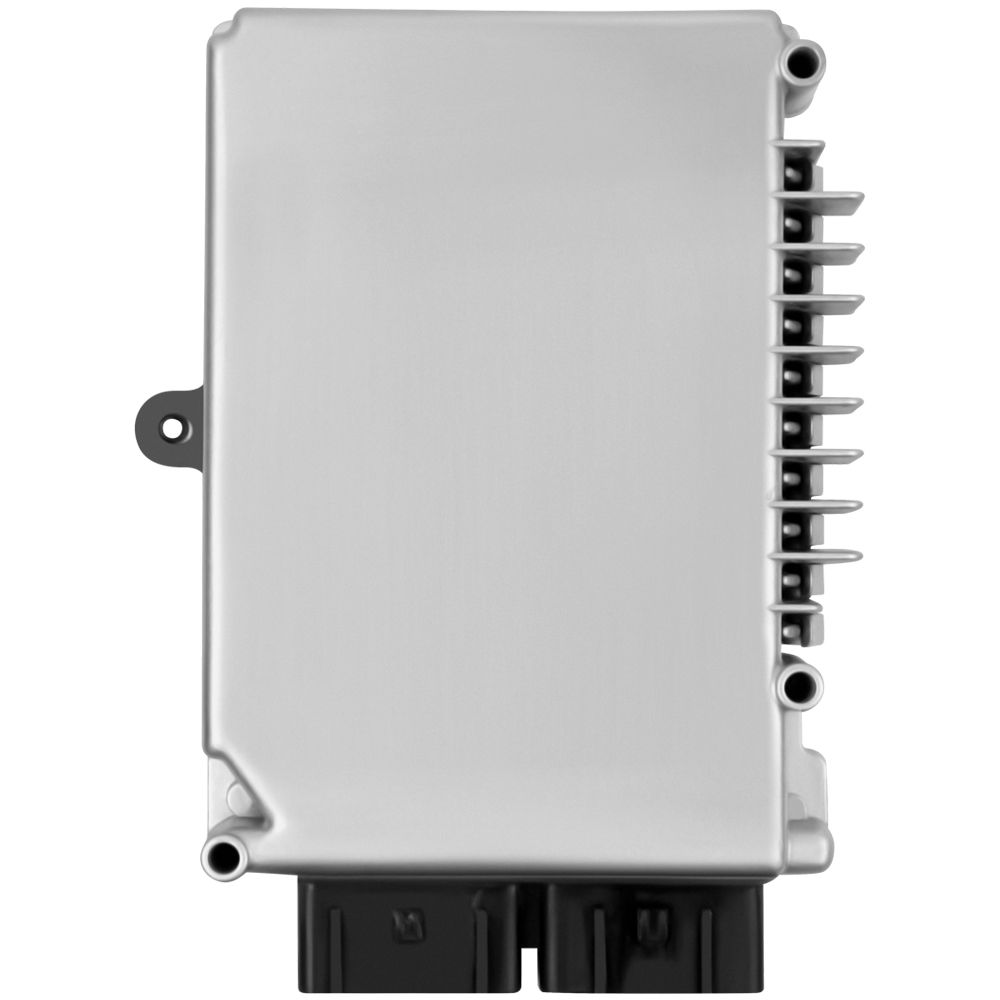
Flagship One stocks a refurbished, VIN-programmed PCM for the 1996 Mitsubishi Eclipse with a lifetime warranty, free shipping and no core charge. The full Mitsubishi Eclipse module lineup covers other engine configurations as well.
The powertrain control module in your 1996 Mitsubishi Eclipse is a vital component that keeps your engine running smoothly. When it fails, symptoms like stalling, misfires, or a no-start condition can leave you stranded. Replacing it doesn’t have to be complicated, especially if you choose a pre-programmed unit that eliminates the need for dealer reprogramming. By understanding the process and taking steps to prevent future issues, you can keep your Eclipse reliable for years to come. If you’re experiencing PCM-related problems, addressing them promptly will save you time and frustration down the road.