
Last updated on August 25th, 2026 at 01:56 pm
The powertrain control module (PCM) in your 1997 Mitsubishi Eclipse manages engine and transmission functions. Failure may lead to stalling, poor performance, or a no-start condition, often triggered by electrical issues or internal faults.
If your 1997 Mitsubishi Eclipse has been acting up—stalling unexpectedly, refusing to start, or throwing cryptic engine codes—you might be dealing with a failing powertrain control module (PCM). This small but critical computer oversees everything from fuel delivery to transmission behavior, and when it malfunctions, your vehicle’s performance can suffer in frustrating ways. Replacing it isn’t just about swapping a part; it involves careful installation and, in most cases, a factory-mandated relearn procedure to ensure everything communicates properly. Understanding the role of the PCM, the symptoms of failure, and the steps involved in replacement can help you make an informed decision. Whether you’re troubleshooting an intermittent issue or preparing for a repair, knowing what to expect can save you time, money, and unnecessary headaches. This guide breaks down the essentials, from labor times to programming requirements, so you can approach the repair with confidence.
The powertrain control module (PCM) in your 1997 Mitsubishi Eclipse is the brain behind your engine and transmission. It constantly monitors sensors to adjust fuel injection, ignition timing, and shift points, ensuring smooth operation and optimal efficiency. Without a functioning PCM, your Eclipse may struggle to start, run roughly, or even enter a limp-home mode to prevent further damage. The module also plays a key role in emissions control, helping your vehicle meet regulatory standards. Over time, exposure to heat, vibration, or electrical surges can degrade its performance, leading to erratic behavior or complete failure. When replacement becomes necessary, you’ll need a unit that matches your vehicle’s specifications. Replacement powertrain control modules for the Eclipse are designed to restore factory-level functionality, but proper installation and programming are critical to avoid recurring issues. The PCM’s location and accessibility make the swap straightforward for a professional, though the post-install procedure adds a layer of complexity that shouldn’t be overlooked.
1997 Mitsubishi Eclipse
OEM programmed ECM for your 1997 Mitsubishi Eclipse — plug & play, no dealer visit.
Free shipping · Lifetime warranty
In the 1997 Mitsubishi Eclipse, the PCM is mounted in the engine bay, typically secured behind a protective cover near the firewall. Accessing it involves removing a few bolts and disconnecting the wiring harness, a process that usually takes about 0.9 hours of labor according to factory estimates. The module itself is held in place with a bracket, and care must be taken to avoid damaging the connectors during removal. Once the old unit is out, the new PCM is installed in the same location, with the wiring harness reconnected and the bracket secured. While the physical replacement is relatively simple, the real work comes afterward, as the vehicle’s systems need to recognize the new module. This often requires a relearn procedure, which can add another 0.5 hours to the job. The entire process is best handled by someone familiar with the Eclipse’s electrical layout to avoid missteps.
| Operation | Configuration | Book Time |
|---|---|---|
| Engine Control Module R&R | All configurations | 0.9 hr |
| Powertrain Control Module R&R | All configurations | 0.9 hr |
| Powertrain Control Module Relearn | All configurations | 0.5 hr |
After installing a new powertrain control module in your 1997 Mitsubishi Eclipse, the factory procedure requires a relearn process to synchronize the module with the vehicle’s systems. This typically involves using a scan tool to reset adaptive values and ensure proper communication between the PCM and other components. The process can take up to 0.5 hours and may require driving the vehicle under specific conditions to complete the adaptation. However, if you opt for a VIN-programmed replacement unit, these steps are already handled before the module arrives. This means you can skip the dealer visit for reprogramming, reducing both downtime and potential complications. The pre-programmed unit is ready to install and drive, provided the rest of the vehicle’s electrical system is in good condition. Still, it’s wise to verify that all sensors and connectors are functioning properly to avoid any post-install issues.
A failing PCM in your 1997 Mitsubishi Eclipse can manifest in several ways, often mimicking other issues like fuel pump failure or sensor malfunctions. One of the most common signs is a no-start condition, where the engine cranks but refuses to fire, often due to the PCM failing to send the correct signals to the fuel injectors or ignition system. Stalling at idle or during acceleration is another red flag, as the module may struggle to maintain consistent engine control. You might also notice poor fuel economy, rough shifting, or the check engine light illuminating with codes related to misfires or communication errors. In some cases, the vehicle may enter a limp-home mode, limiting power to prevent further damage. Scan tool communication issues are particularly telling; if your tool can’t connect to the PCM, the module itself may be the culprit. An internal control module memory check sum error is a frequent trouble code tied to PCM failure, indicating that the module’s memory has been corrupted or degraded. Other symptoms, like erratic tachometer readings or the cooling fan running constantly, can also point to a failing PCM, though these are less common.
Driving with a failing PCM is risky. While the vehicle may still run, you could experience stalling, poor performance, or even a complete no-start condition. A faulty PCM can also cause transmission shifting issues or trigger a limp-home mode, limiting your speed and power. If you suspect PCM problems, it’s best to address them promptly to avoid further damage or unsafe driving conditions.
Distinguishing between a bad PCM and a faulty sensor can be tricky. Start by checking for trouble codes; if the PCM itself is setting codes like P0601, it’s likely the issue. If the codes point to a specific sensor (e.g., oxygen sensor or throttle position sensor), test that sensor first. A scan tool that can monitor live data can also help identify whether the PCM is receiving and processing sensor signals correctly.
Stalling after a PCM replacement often indicates that the relearn procedure wasn’t completed. The new module needs to adapt to your vehicle’s specific conditions, which typically involves a drive cycle or a scan tool reset. Without this step, the PCM may not manage fuel or ignition timing correctly, leading to stalling or rough running. Double-check that the relearn process was followed or consider using a pre-programmed unit to avoid this issue.
Replacing the PCM is physically straightforward, but the programming aspect adds complexity. If you’re comfortable with basic mechanical work and have access to a scan tool, you can handle the installation. However, you’ll still need to perform the relearn procedure, which may require specific steps or equipment. Using a VIN-programmed replacement unit simplifies the process, as it eliminates the need for post-install programming.
PCM failure in the Eclipse is often caused by electrical issues, such as voltage spikes from a failing alternator or battery, or corrosion in the wiring harness. Heat and vibration from the engine bay can also degrade the module over time. In some cases, internal faults or manufacturing defects may lead to premature failure. Regular maintenance, like checking the charging system and keeping connectors clean, can help extend the PCM’s lifespan.
If your 1997 Mitsubishi Eclipse is showing signs of PCM failure, you have a few options. A repair shop can diagnose and replace the module, though labor and programming costs can add up. Alternatively, a refurbished or new replacement unit, pre-programmed to your VIN, can simplify the process and reduce downtime. Given the Eclipse’s age, ensuring the replacement module is reliable and properly matched to your vehicle is key to avoiding repeat issues. Whether you choose to tackle the job yourself or leave it to a professional, understanding the steps involved can help you make the best decision for your situation.
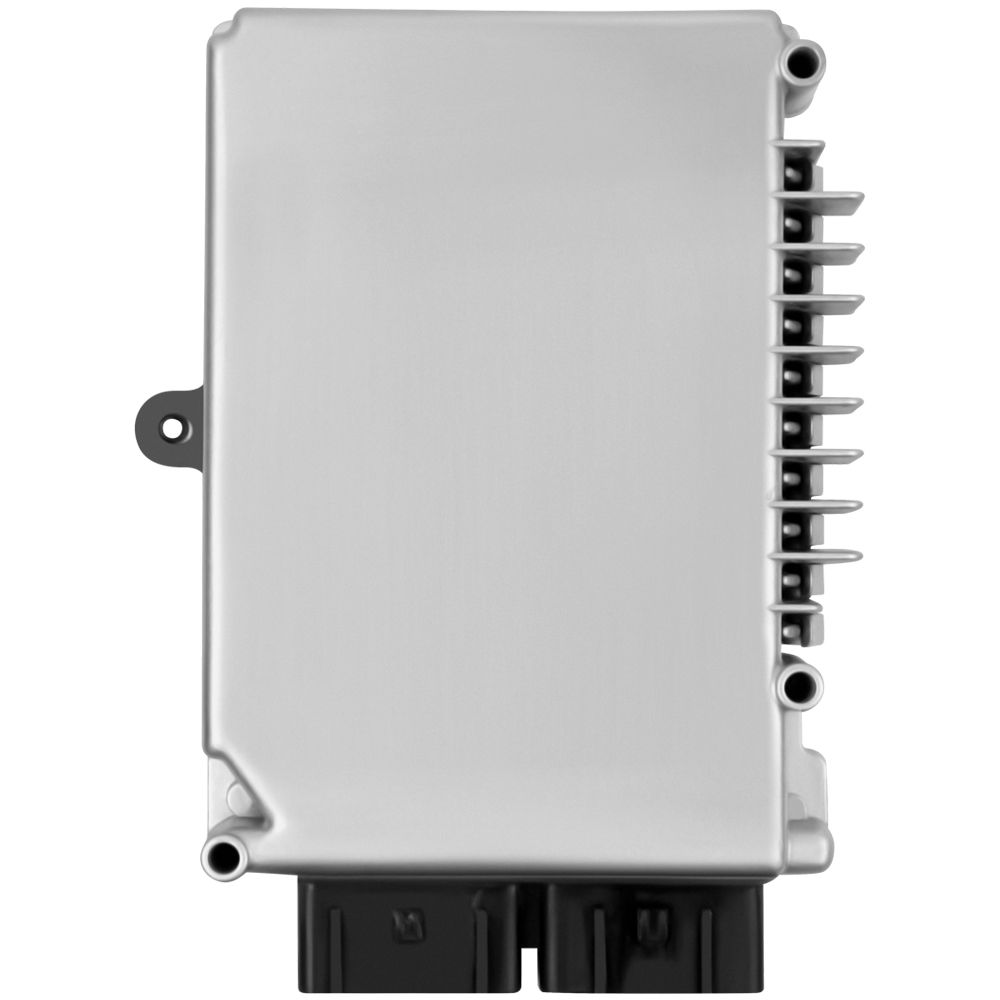
Flagship One stocks a refurbished, VIN-programmed PCM for the 1997 Mitsubishi Eclipse with a lifetime warranty, free shipping and no core charge. The full Mitsubishi Eclipse module lineup covers other engine configurations as well.
The powertrain control module in your 1997 Mitsubishi Eclipse is a critical component that keeps your engine and transmission running smoothly. When it fails, the symptoms can range from subtle performance issues to a complete no-start condition. Replacing it involves more than just swapping the part; proper installation and programming are essential to restore full functionality. By understanding the role of the PCM, recognizing the signs of failure, and knowing what to expect during replacement, you can approach the repair with confidence. Whether you opt for a DIY fix or professional help, addressing PCM issues promptly will keep your Eclipse on the road and running reliably.