
Last updated on August 25th, 2026 at 01:54 pm
The powertrain control module (PCM) in your 1999 Mitsubishi Eclipse manages engine performance and transmission behavior. When it fails, you may experience erratic idling, poor acceleration, or a complete no-start condition. This module integrates critical sensor data to optimize fuel delivery and ignition timing.
If your 1999 Mitsubishi Eclipse has been acting up—stalling at stops, hesitating under acceleration, or refusing to start—you may be dealing with a failing powertrain control module (PCM). This small but critical computer manages everything from fuel injection to transmission shifts, making it essential for smooth operation. When it malfunctions, symptoms can range from subtle performance issues to complete drivability failure. Replacing the PCM isn’t just about swapping a part; it involves careful installation and, in most cases, a factory relearn procedure to ensure proper communication with the vehicle’s systems. Understanding what the PCM does, where it’s located, and what to expect during replacement can save you time and frustration. Whether you’re troubleshooting an existing problem or preparing for a potential repair, knowing these details helps you make informed decisions about your Eclipse’s health.
The powertrain control module in your 1999 Mitsubishi Eclipse serves as the brain of the engine and transmission. It continuously monitors inputs from sensors—like the throttle position, oxygen, and crankshaft sensors—to adjust fuel delivery, ignition timing, and shift points in real time. This ensures optimal performance, fuel efficiency, and emissions compliance. Without a functioning PCM, your Eclipse may struggle to start, run roughly, or even enter a limp-home mode to prevent further damage. Over time, heat, vibration, and electrical fluctuations can degrade the module’s internal components, leading to intermittent or permanent failure. When replacement becomes necessary, you’ll need replacement engine computers for the Eclipse that match your vehicle’s specifications. The PCM’s role is particularly critical in this model, as it also manages the automatic transmission’s shift patterns, meaning a faulty unit can cause erratic or harsh gear changes. Its location near the engine bay exposes it to temperature extremes, which may accelerate wear if the vehicle’s cooling or electrical systems aren’t properly maintained.
1999 Mitsubishi Eclipse
OEM programmed replacements — plug & play, no dealer visit.
Find yours by year, make & model →
Free shipping · Lifetime warranty
In the 1999 Mitsubishi Eclipse, the powertrain control module is mounted in the engine compartment, typically near the firewall or strut tower. Accessing it requires removing a few plastic covers and possibly disconnecting the battery to prevent electrical shorts. The replacement process involves unplugging the wiring harness, removing the mounting bolts, and installing the new unit in the reverse order. According to factory labor estimates, the entire removal and reinstallation procedure takes about 0.9 hours. This timeframe assumes no complications, such as corroded connectors or seized bolts, which could extend the job. Once the new module is in place, the vehicle’s battery must be reconnected, and any necessary programming steps completed to restore full functionality. Proper torque on the mounting bolts is essential to prevent vibration-related issues, though specific torque values aren’t always provided in standard labor guides.
| Operation | Configuration | Book Time |
|---|---|---|
| Engine Control Module R&R | All configurations | 0.9 hr |
| Powertrain Control Module R&R | All configurations | 0.9 hr |
| Powertrain Control Module Relearn | All configurations | 0.5 hr |
After installing a new powertrain control module in your 1999 Mitsubishi Eclipse, the vehicle typically requires a factory relearn procedure to synchronize the module with the engine and transmission. This process, which takes about 0.5 hours of labor, ensures the PCM recognizes the vehicle’s sensors and adapts to its specific operating conditions. Without this step, you may experience poor performance, shifting issues, or even a no-start condition. However, if you opt for a VIN-programmed replacement unit, these relearn steps are already completed before the part arrives. This eliminates the need for additional programming at the shop, saving you time and potential diagnostic headaches. The factory procedure often involves using a scan tool to reset adaptive values and may require a short drive cycle to confirm proper operation. While some aftermarket tools claim to bypass this step, Mitsubishi’s official guidelines recommend following the full relearn process to avoid long-term drivability issues.
A failing powertrain control module in your 1999 Mitsubishi Eclipse can manifest in several ways, often mimicking other common issues like sensor failures or fuel system problems. One of the most frequent symptoms is a no-start condition, where the engine cranks but refuses to fire. This may occur intermittently, leaving you stranded without warning. Another telltale sign is erratic idling or stalling, particularly when the engine is cold or under load. You might also notice poor acceleration, hesitation, or surging, as the PCM struggles to adjust fuel and ignition timing correctly. Transmission shifting issues, such as delayed or harsh gear changes, can also point to PCM trouble, since the module controls both engine and transmission functions. Onboard diagnostics may store trouble codes like internal control module memory check sum error, indicating a fault within the PCM itself. Other possible codes include misfire-related or sensor rationality errors, as the module fails to interpret sensor data properly. In some cases, the vehicle may enter a limp-home mode, limiting engine power to prevent damage. If your Eclipse exhibits any of these symptoms, especially in combination, the PCM should be considered a likely culprit.
Stalling at stops is often caused by a failing PCM that can’t properly manage idle air control or fuel delivery. The module may struggle to adjust engine parameters when transitioning from acceleration to idle, leading to a sudden loss of power. Other potential causes include vacuum leaks or a faulty idle air control valve, but PCM failure should be ruled out if the issue persists.
Driving with a faulty PCM is risky, as it can lead to unpredictable behavior like stalling, misfires, or transmission issues. In some cases, the vehicle may enter limp-home mode, severely limiting performance. If the PCM fails completely, the engine may not start at all. It’s best to address the issue promptly to avoid further damage or unsafe driving conditions.
Distinguishing between a bad PCM and a faulty sensor can be challenging, as both can cause similar symptoms. A scan tool can help by revealing trouble codes—if the codes point to multiple sensors or internal PCM errors, the module itself is likely the problem. Additionally, if replacing sensors doesn’t resolve the issue, the PCM may need to be tested or replaced.
No special tools are required for PCM replacement in your Eclipse, but a basic socket set and a scan tool are helpful. The factory relearn procedure typically requires a scan tool to reset adaptive values, though this step is unnecessary if you install a pre-programmed replacement unit. Always disconnect the battery before removing the PCM to avoid electrical shorts.
Skipping the PCM relearn procedure may result in poor engine performance, erratic shifting, or even a no-start condition. The module needs to adapt to your Eclipse’s specific sensors and operating conditions, and without this step, it may not function correctly. Using a pre-programmed unit eliminates this requirement, as the relearn process is completed before installation.
If your 1999 Mitsubishi Eclipse is showing signs of PCM failure, you have a few options for repair. A dealership or independent shop can replace the module and perform the necessary relearn procedure, though this may involve additional labor costs. Alternatively, a refurbished or new replacement unit that’s already VIN-programmed can simplify the process, reducing installation time and eliminating the need for post-install programming. Given the age of these vehicles, ensuring the replacement module is compatible and properly programmed is key to restoring reliable performance.
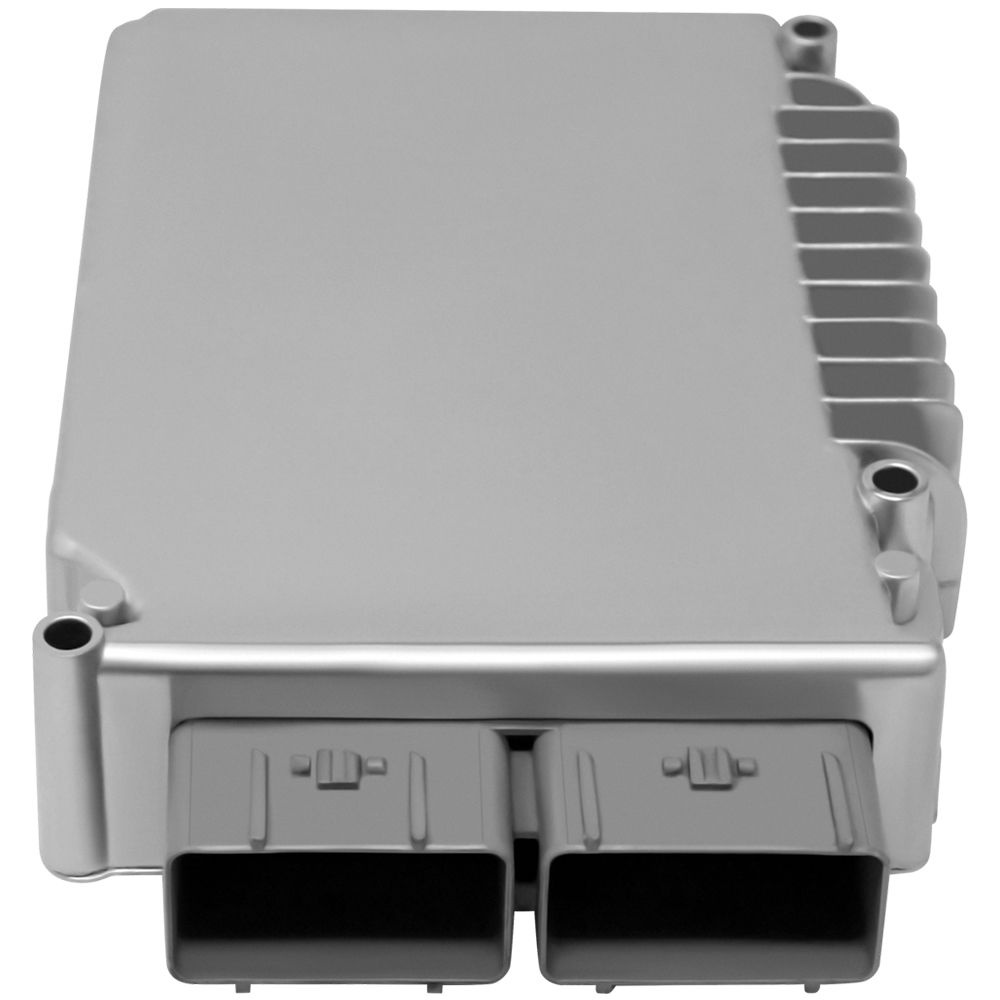
Flagship One stocks a refurbished, VIN-programmed PCM for the 1999 Mitsubishi Eclipse with a lifetime warranty, free shipping and no core charge. The full Mitsubishi Eclipse module lineup covers other engine configurations as well.
The powertrain control module plays a vital role in keeping your 1999 Mitsubishi Eclipse running smoothly. Whether you’re dealing with stalling, poor acceleration, or a no-start condition, understanding the PCM’s function and replacement process can help you make informed decisions. Addressing issues promptly and using a pre-programmed unit can save time and hassle, ensuring your Eclipse remains dependable for years to come.