
Last updated on August 25th, 2026 at 02:22 pm
In the 2014 Chevrolet Volt, the Engine Control Module and Powertrain Control Module manage engine timing, emissions, and transmission shift logic. Failure of either unit can disrupt power delivery, trigger diagnostic codes, and prevent the vehicle from operating correctly.
When a 2014 Chevrolet Volt exhibits loss of power, erratic shifting, or diagnostic trouble codes, the underlying cause often relates to the engine or powertrain control modules. Understanding what these computers do, how they are accessed, and what post‑install steps are required can help you decide whether to pursue a repair or a refurbished replacement. This guide outlines the module functions, typical labor times, programming needs, and practical tips to keep the system healthy, so you can make an informed choice for your vehicle.
The Engine Control Module and Powertrain Control Module in the 2014 Chevrolet Volt coordinate fuel injection, electric motor assistance, and transmission shift timing. Their operation is critical for the hybrid system to deliver smooth acceleration and efficient energy use. Damage or corruption inside either computer can lead to loss of drive power or unexpected limp‑mode behavior. Proper function ensures the vehicle meets emissions standards and delivers the expected electric‑assist performance. The vehicle relies on these controllers to interpret sensor data and execute commands, making them central to overall drivability. Volt replacement ECMs are essential components that must be correctly calibrated after installation.
Both the Engine Control Module and the Powertrain Control Module are mounted within the engine compartment of the 2014 Chevrolet Volt, accessible after removing the upper cover. Removal and installation each take roughly 1.9 hours according to the factory labor guide. Once the unit is secured, a brief relearn step of about 0.5 hours is required to synchronize the new module with the vehicle’s systems. The process involves disconnecting the battery, extracting the module, installing the replacement, and reconnecting all connectors before performing the relearn cycle.
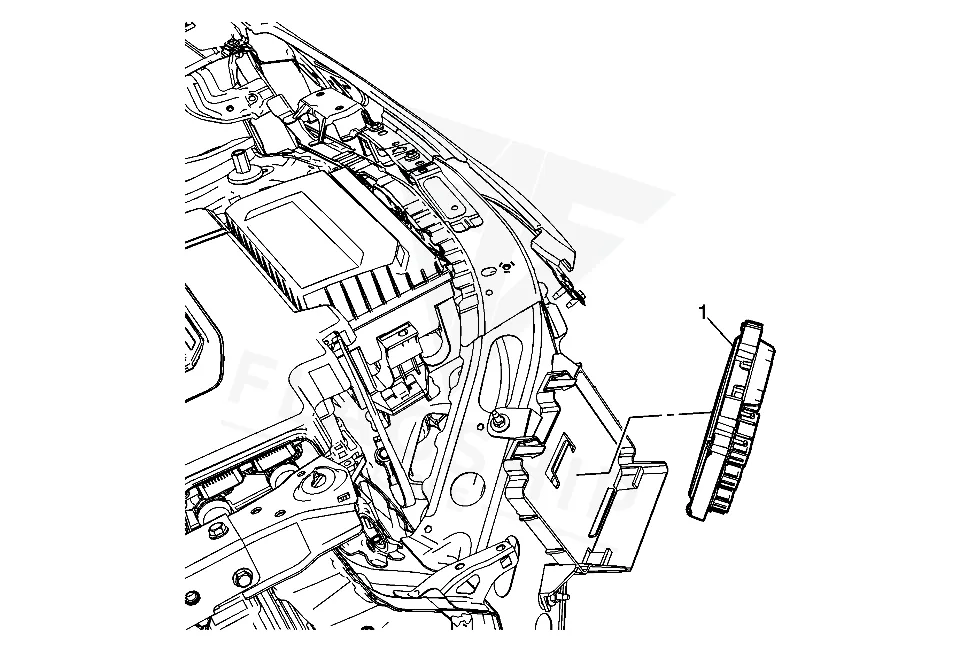
Work with the ignition off, and treat the module as static-sensitive: avoid touching the connector pins at any point.
| Operation | Configuration | Book Time |
|---|---|---|
| Engine Control Module R&R | All configurations | 1.9 hr |
| Engine Control Module Relearn | All configurations | 0.5 hr |
| Powertrain Control Module R&R | All configurations | 1.9 hr |
| Powertrain Control Module Relearn | All configurations | 0.5 hr |
2014 Chevrolet Volt
OEM programmed ECM for your 2014 Chevrolet Volt — plug & play, no dealer visit.
Free shipping · Lifetime warranty
After swapping either module, the factory procedure calls for reprogramming the unit with the specific calibration for the Volt. Flagship One supplies a VIN‑programmed replacement unit that arrives with the correct software already loaded, eliminating the need for on‑site coding. Special equipment and the appropriate calibration files are still required if you choose to program a generic unit, but the Flagship One product streamlines the process. a VIN-programmed replacement unit ensures the post‑install step is completed before the part reaches your shop.
Typical signs of a failing ECM or PCM in the 2014 Chevrolet Volt include a no‑start condition, irregular shifting, loss of hybrid power, and illumination of diagnostic codes such as communication failure. You may also notice intermittent stalling, reduced fuel efficiency, or a complete loss of scan‑tool communication. These symptoms often prompt a visit to a service center where the modules are inspected and tested.
The following internal trouble codes have been documented for the 2014 Chevrolet Volt and may appear when the engine or powertrain control modules malfunction:
Service bulletin #PIP5000B, dated September 12, 2013, provides diagnostic tips for MIL DTC P0797 set in the transmission control module, which can be related to PCM communication issues.
| Bulletin | Subject | What It Addresses |
|---|---|---|
| — | (EREV) MIL DTC P0797 Set In The TCM Diagnostic Tips – (Sep 12, 2013) | — |
The factory labor guide lists about 1.9 hours for removal and installation, followed by a 0.5‑hour relearn procedure.
Yes, the factory requires the correct program and calibration files, along with specialized diagnostic tools, to complete the PCM reprogramming.
A VIN‑programmed unit arrives with the proper software already loaded, so the usual programming step is effectively pre‑completed.
When the ECM or PCM fails in your 2014 Chevrolet Volt, you can choose a direct repair using a new OEM part or opt for a refurbished unit that meets factory specifications. Both approaches involve similar labor, but a refurbished module from Flagship One includes VIN‑specific programming, potentially reducing shop time. Evaluating the condition of your vehicle and the availability of a calibrated replacement can help you decide the most efficient path to restore performance.
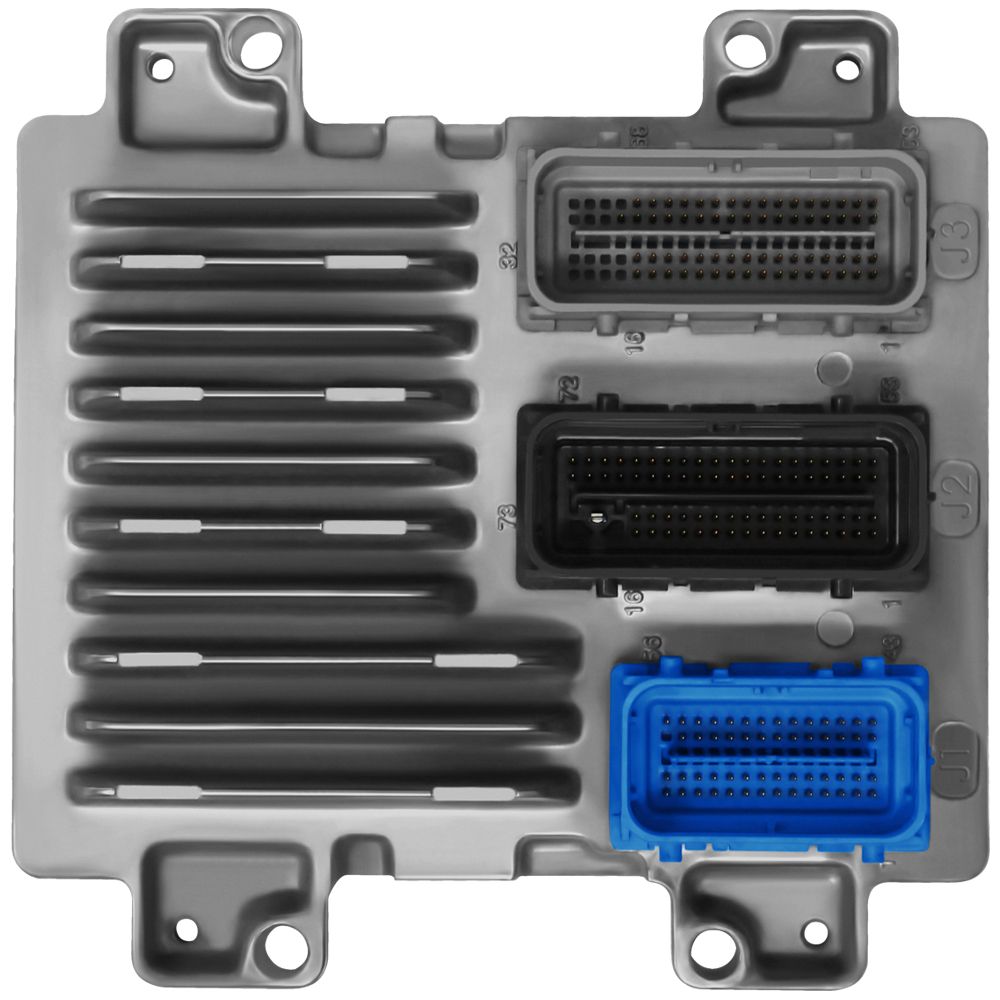
Flagship One stocks a refurbished, VIN-programmed PCM for the 2014 Chevrolet Volt with a lifetime warranty, free shipping and no core charge. The full Chevrolet Volt module lineup covers other engine configurations as well.
For owners of a 2014 Chevrolet Volt, addressing ECM or PCM issues promptly can return the vehicle to normal operation. Whether you select a new part or a Flagship One refurbished unit, ensure the required programming steps are completed to protect your hybrid system.