
Last updated on August 25th, 2026 at 12:23 pm
The powertrain control module on your 2013 Chevrolet Volt manages engine operation and the extended-range generator system. When this module fails, symptoms include stalling, no-start conditions, poor fuel economy, check engine light activation, and loss of extended-range capability. The module monitors crankshaft position, fuel injection, and engine-on events in this EREV architecture.
Your 2013 Chevrolet Volt relies on an integrated control module to manage both engine operation and the extended-range electric vehicle architecture. When this module fails, the consequences extend beyond typical drivability concerns because the Volt depends on precise coordination between the electric drive system and the gas generator. This guide explains what the module does, how failure manifests, what replacement involves, and what programming steps the factory requires. Understanding these details helps you evaluate repair options intelligently and recognize when module replacement becomes necessary. Whether you are experiencing symptoms now or preparing for potential failure, the information here gives you a factual foundation for decisions.
The powertrain control module on your 2013 Chevrolet Volt serves as the central computer for engine and drivetrain management. This unit monitors crankshaft position, controls fuel injection, manages ignition timing, and governs when the gasoline engine operates as a generator for extended-range driving. Unlike some vehicles that separate engine and transmission control into different modules, the Volt integrates these functions into one unit. The module receives data from numerous sensors throughout the engine bay and makes real-time adjustments to maintain performance, fuel economy, and emissions. It also communicates with the hybrid control system to coordinate the transition between electric-only operation and extended-range mode when battery charge depletes. If this module malfunctions, the engine may fail to start or run erratically, extended-range capability may be lost, and multiple warning lights may illuminate. Repair options for replacement engine computers for the Volt typically include new, remanufactured, or VIN-programmed units from suppliers, each with different programming requirements and warranty coverage.
Flagship One keeps Chevrolet Volt replacement engine computers in stock for exactly this failure pattern.
2013 Chevrolet Volt
OEM programmed ECM for your 2013 Chevrolet Volt — plug & play, no dealer visit.
Free shipping · Lifetime warranty
The powertrain control module on the 2013 Chevrolet Volt is located in the engine compartment. According to factory service information, removal and replacement of the powertrain control module requires approximately 1.9 hours of labor. After the module is installed, a relearn procedure must be performed, which adds approximately 0.5 hours to the total job time. The relearn procedure allows the new module to calibrate to your vehicle’s specific sensors and systems. Before beginning any work on electrical components, the factory caution advises disconnecting the 12-volt battery and ensuring that any aftermarket or add-on electrical equipment is properly disconnected to prevent damage to the vehicle’s electrical system. Proper handling of the module and its electrical connections is essential to avoid introducing new problems during the repair process.
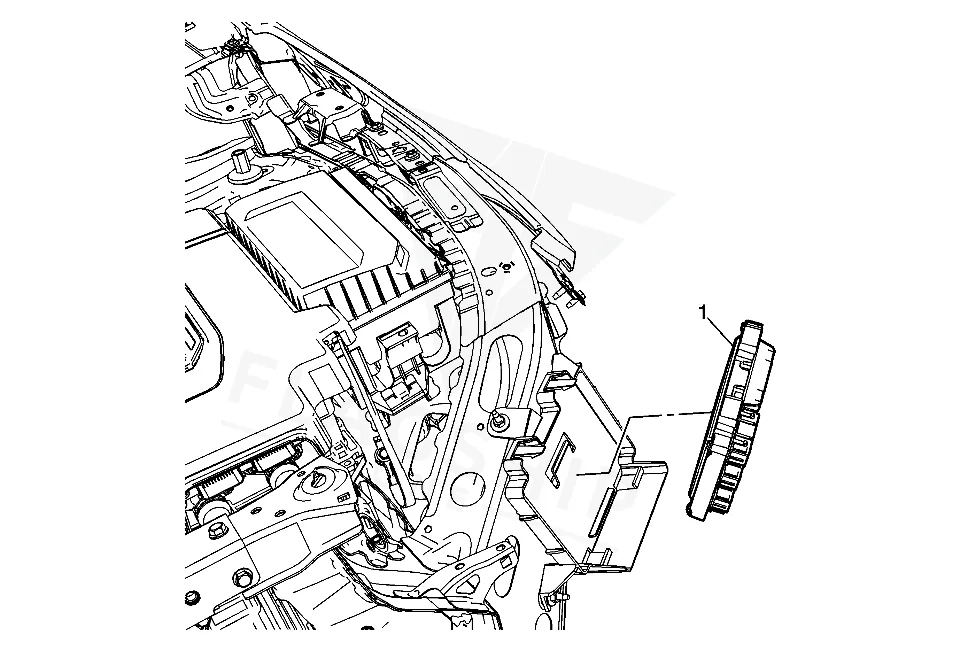
Work with the ignition off, and treat the module as static-sensitive: avoid touching the connector pins at any point.
| Operation | Configuration | Book Time |
|---|---|---|
| Engine Control Module R&R | All configurations | 1.9 hr |
| Engine Control Module Relearn | All configurations | 0.5 hr |
| Powertrain Control Module R&R | All configurations | 1.9 hr |
| Powertrain Control Module Relearn | All configurations | 0.5 hr |
The factory procedure for your 2013 Chevrolet Volt requires reprogramming the engine control module after replacement using special equipment along with the correct program and calibration specific to your vehicle. This programming step establishes communication between the new module and your vehicle’s systems and configures vehicle-specific settings. Without proper programming, the replacement module will not function correctly in your Volt. However, units from Flagship One arrive pre-programmed with your vehicle identification number, which means the reprogramming step is already completed before the module arrives. This allows you or your technician to proceed directly to installation and the relearn procedure rather than coordinating with a facility that performs dealer-level programming.
Every VIN-programmed replacement unit from Flagship One arrives with these steps already completed.
The 2013 Chevrolet Volt may experience several symptoms when the powertrain control module malfunctions. The engine may fail to start or stall unexpectedly during extended-range operation. You might notice rough running, hesitation, or misfire conditions that trigger related trouble codes. The check engine light often illuminates, and some owners report that diagnostic scanners cannot communicate with the module. Shifting irregularities may occur even though the module controls transmission functions. Module-internal codes like P0601 indicating internal memory checksum failures commonly appear in vehicles experiencing this type of module deterioration. These symptoms typically develop gradually as internal circuitry degrades, though sudden failure can occur from voltage spikes or electrical damage. Prompt diagnosis when symptoms first appear helps prevent secondary damage to other vehicle systems.
The codes below point to the PCM itself rather than to a sensor or circuit it monitors. Each one links through to its full diagnostic guide.
Factory service bulletin PIP5000B, issued in September 2013, addresses diagnostic tips for the 2013 Chevrolet Volt when diagnostic trouble code P0797 is set in the transmission control module. This bulletin applies to extended-range electric vehicles and provides guidance for technicians diagnosing shifting complaints and related codes. The bulletin emphasizes proper diagnostic procedures to identify whether the issue stems from the transmission control module or other related systems. Technicians working on your Volt should reference this bulletin when addressing transmission-related concerns to ensure proper diagnosis and repair procedures are followed.
| Bulletin | Subject | What It Addresses |
|---|---|---|
| — | (EREV) MIL DTC P0797 Set In The TCM Diagnostic Tips – (Sep 12, 2013) | — |
If your Volt displays module-internal codes like P0601, P0606, or P060A, experiences stalling, fails to enter extended-range mode, or your diagnostic scanner cannot communicate with the module, the control module may need replacement. A qualified technician should verify that wiring, sensors, and connectors are not the source of the problem before replacing the module.
A used module would require dealer-level reprogramming with the correct program and calibration for your specific vehicle identification number. This programming capability is typically not available to independent shops or do-it-yourselfers. Units that arrive pre-programmed with your VIN eliminate this step entirely.
The factory requires reprogramming the engine control module after replacement with the correct program and calibration for your vehicle. Without this step, the module will not communicate properly with your Volt’s systems, and the vehicle may not operate correctly. Pre-programmed replacement units arrive with your VIN already configured, allowing installation without additional programming equipment.
If your 2013 Chevrolet Volt requires module replacement, you have repair options that range from dealer service to purchasing a replacement module from an aftermarket supplier. Dealer replacement typically includes programming but may cost significantly more. Aftermarket replacement modules often require you to arrange programming separately or may arrive VIN-programmed. Each option involves different tradeoffs in cost, convenience, and warranty coverage. Evaluate your specific situation including diagnostic findings, budget, and access to programming equipment when deciding which path to pursue for your Volt.
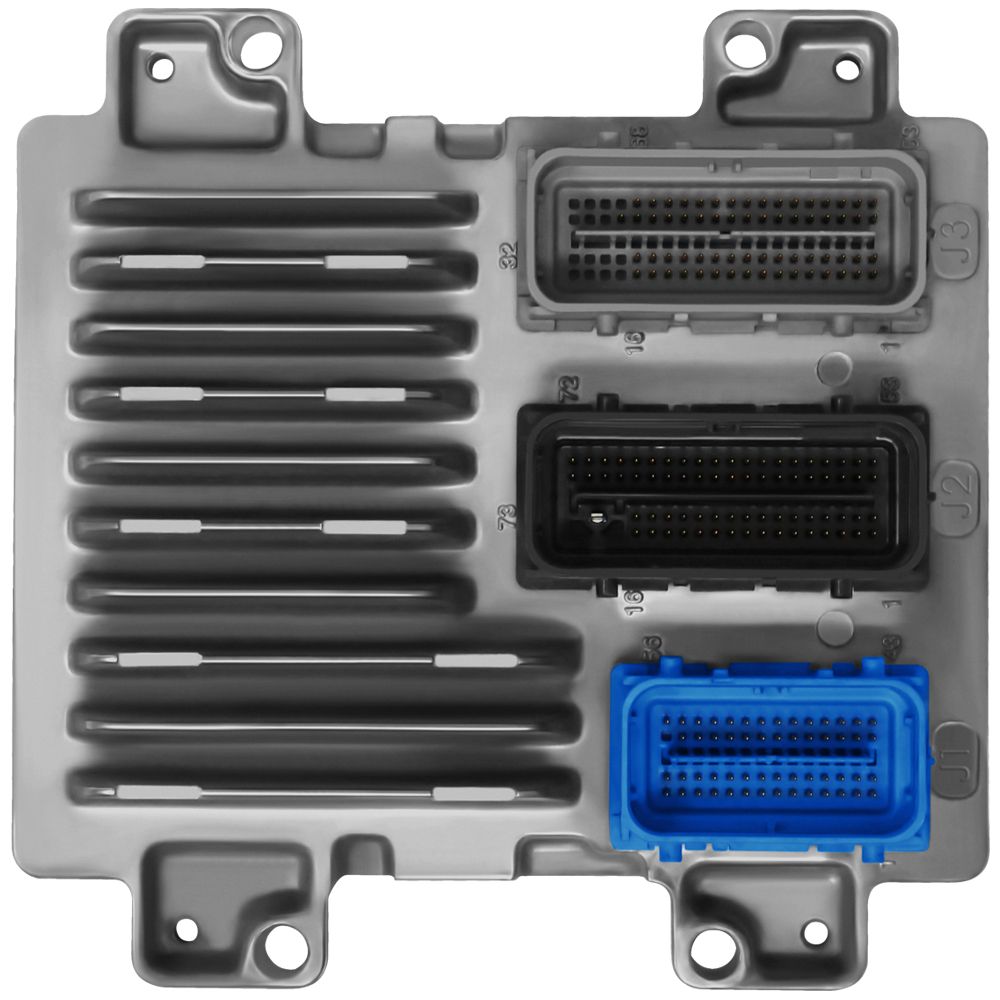
Flagship One stocks a refurbished, VIN-programmed PCM for the 2013 Chevrolet Volt with a lifetime warranty, free shipping and no core charge. The full Chevrolet Volt module lineup covers other engine configurations as well.
The powertrain control module plays an essential role in your 2013 Chevrolet Volt’s operation, managing both conventional engine functions and the extended-range driving capability that defines this vehicle. Understanding module failure symptoms, replacement requirements, and programming needs prepares you for informed decisions when service becomes necessary. Flagship One offers replacement modules for the Volt with VIN programming included, simplifying the repair process and eliminating the need to coordinate separate programming services.