
Last updated on August 25th, 2026 at 12:23 pm
The Powertrain Control Module (PCM) in your 2001 Chevrolet Suburban manages engine and transmission functions. Failure may cause drivability issues, no-start conditions, or internal fault codes like P0601 or P0602.
If your 2001 Chevrolet Suburban is experiencing erratic engine behavior, stalling, or a no-start condition, the Powertrain Control Module (PCM) may be at fault. This critical component oversees fuel delivery, ignition timing, and transmission shifting, making it essential for smooth operation. When the PCM fails, it can trigger a range of symptoms, from minor drivability issues to complete vehicle immobilization. Replacing the module involves more than just swapping hardware—it requires careful handling to avoid damage and a post-installation relearn procedure to ensure everything functions correctly. Understanding the process, labor times, and factory requirements can help you make informed decisions about repairs. Whether you’re dealing with a sudden failure or planning ahead, knowing what to expect can save time and prevent frustration.
The Powertrain Control Module (PCM) in your 2001 Chevrolet Suburban acts as the brain of the engine and transmission systems. It continuously monitors sensors and adjusts fuel injection, ignition timing, and shift points to optimize performance and efficiency. Without a properly functioning PCM, your vehicle may struggle to start, idle roughly, or shift unpredictably. The module also stores diagnostic trouble codes (DTCs) when issues arise, helping technicians pinpoint problems. If the PCM fails, you may notice symptoms like poor fuel economy, hesitation under acceleration, or even a complete loss of power. Replacing it with replacement engine computers for the Suburban ensures compatibility and restores critical functions, but the process requires attention to detail to avoid damaging the new unit or triggering additional faults.
The PCM in your 2001 Chevrolet Suburban is typically located near the engine bay, often mounted on the passenger side firewall or inner fender. Accessing it involves removing a protective cover and disconnecting the wiring harness. According to factory labor times, replacing the Engine Control Module (ECM) takes 1.4 hours for both the 1500 and 2500 models. This includes disconnecting the battery, removing the old module, installing the new one, and reconnecting the harness. The ignition must remain off during power disconnection to prevent internal damage to the PCM. Once installed, a relearn procedure is required, which adds another 0.5 hours of labor. This step ensures the module synchronizes with the vehicle’s sensors and systems, allowing for proper operation.
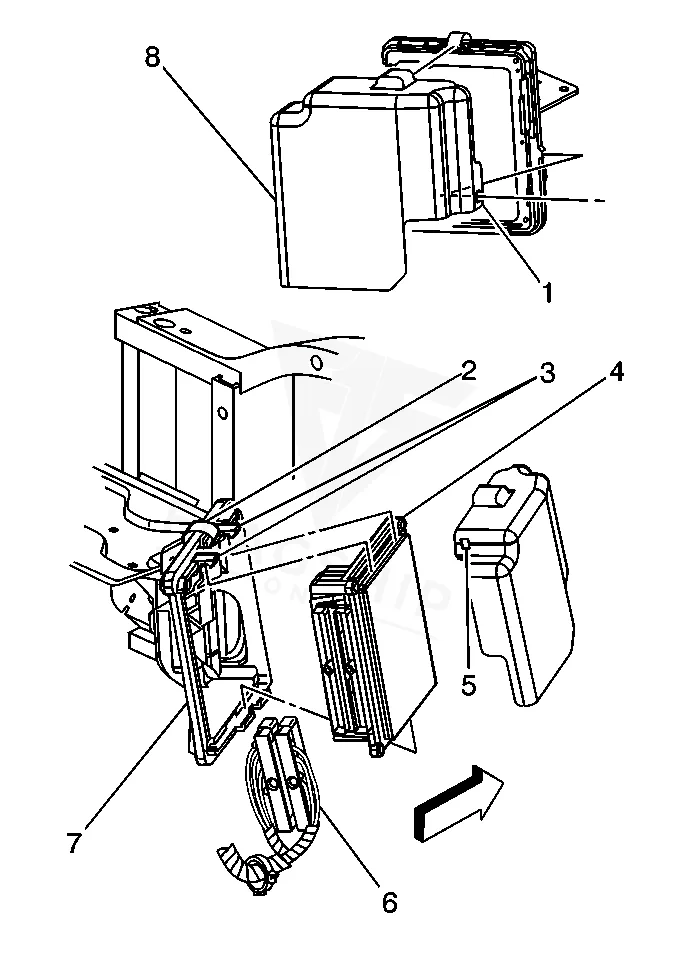
Work with the ignition off, and treat the module as static-sensitive: avoid touching the connector pins at any point.
| Operation | Configuration | Book Time |
|---|---|---|
| Powertrain Control Module Relearn | Suburban 1500 | 0.5 hr |
| Powertrain Control Module Relearn | Suburban 2500 | 0.5 hr |
| Engine Control Module R&R | Suburban 1500 | 1.4 hr |
| Engine Control Module R&R | Suburban 2500 | 1.4 hr |
| Engine Control Module Relearn | Suburban 1500 | 0.5 hr |
| Engine Control Module Relearn | Suburban 2500 | 0.5 hr |
| Engine Control Module Reset | Suburban 1500 | 0.3 hr |
| Engine Control Module Reset | Suburban 2500 | 0.3 hr |
2001 Chevrolet Suburban
OEM programmed ECM for your 2001 Chevrolet Suburban — plug & play, no dealer visit.
Free shipping · Lifetime warranty
After replacing the PCM in your 2001 Chevrolet Suburban, the factory procedure requires programming the new module to match your vehicle’s specific configuration. This includes setting the remaining engine oil life, which defaults to 100% if not programmed correctly. Without this step, you may encounter fault codes like P0601 or P0602, indicating an unprogrammed or malfunctioning EEPROM. A relearn procedure, taking 0.5 hours, is also necessary to ensure the module communicates properly with the engine and transmission. Choosing a VIN-programmed replacement unit eliminates the need for these additional steps, as the module arrives pre-configured for your Suburban, saving time and reducing the risk of programming errors.
When the PCM in your 2001 Chevrolet Suburban begins to fail, you may notice a range of symptoms that affect drivability and performance. Common signs include a no-start condition, where the engine cranks but refuses to fire, or intermittent stalling while driving. The vehicle might also experience rough idling, hesitation during acceleration, or poor fuel economy. Transmission shifting may become erratic, with delayed or harsh gear changes. Onboard diagnostics often reveal internal trouble codes, such as an internal control module memory check failure, which can illuminate the check engine light. In some cases, the PCM may fail to communicate with a scan tool, making diagnosis more challenging. These symptoms can worsen over time, so addressing them promptly can prevent further issues and restore reliable operation.
The codes below point to the PCM itself rather than to a sensor or circuit it monitors. Each one links through to its full diagnostic guide.
Stalling after a PCM replacement often occurs if the module wasn’t properly programmed or relearned. The factory procedure requires a 0.5-hour relearn process to synchronize the PCM with the engine and transmission. Without this step, the vehicle may run poorly or stall unexpectedly.
Driving with a P0601 code, which indicates an internal control module memory check failure, may lead to drivability issues like stalling or poor performance. While the vehicle might still run, it’s best to address the code promptly to avoid further complications.
Common signs of a failing PCM include a no-start condition, rough idling, hesitation during acceleration, or transmission shifting issues. Internal trouble codes like P0601 or P0602 may also appear, signaling a problem with the module’s programming or memory.
If the remaining engine oil life isn’t programmed into the new PCM, it will default to 100%. This may cause the oil change reminder to activate prematurely or fail to alert you when maintenance is actually needed, potentially leading to engine wear over time.
No, disconnecting the battery or any power source to the PCM while the ignition is on can cause internal damage to the module. The factory cautions explicitly state that the ignition must be off during any power disconnection to prevent costly failures.
If your 2001 Chevrolet Suburban is experiencing PCM-related issues, you have options for repair or replacement. While a refurbished or aftermarket module may seem cost-effective, it often requires additional programming and relearn procedures. A VIN-programmed replacement unit ensures compatibility and eliminates the need for post-installation steps, saving time and reducing the risk of errors. Consider your vehicle’s needs and the long-term reliability of the solution before making a decision.
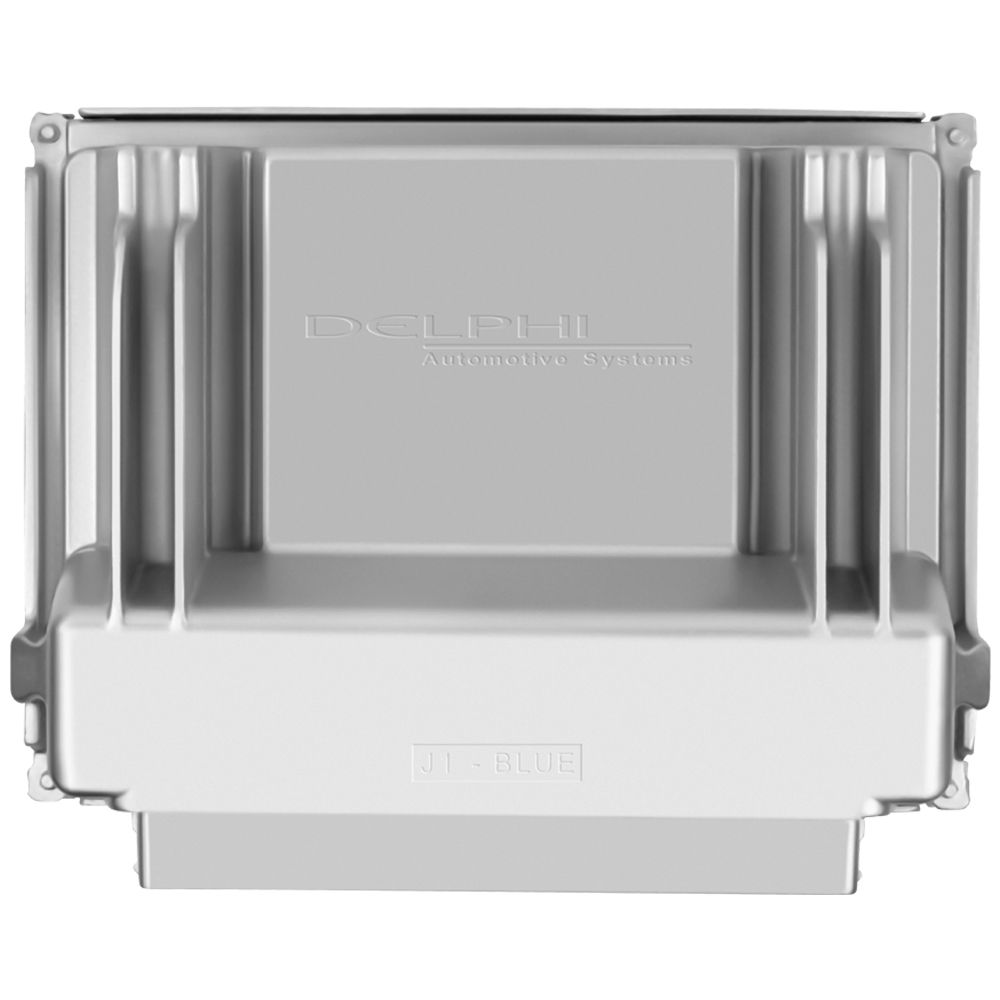
Flagship One stocks a refurbished, VIN-programmed PCM for the 2001 Chevrolet Suburban with a lifetime warranty, free shipping and no core charge. The full Chevrolet Suburban module lineup covers other engine configurations as well.
The Powertrain Control Module in your 2001 Chevrolet Suburban plays a critical role in engine and transmission performance. When it fails, symptoms like stalling, no-start conditions, or erratic shifting can disrupt your driving experience. Understanding the replacement process, labor times, and factory requirements can help you make informed decisions about repairs. Whether you choose to replace the module yourself or seek professional assistance, ensuring proper installation and programming will restore your Suburban’s reliability and performance.