
Last updated on August 25th, 2026 at 02:29 pm
The Powertrain Control Module (PCM) in the 1998 Chevrolet Suburban manages engine and transmission functions. Failure may cause erratic performance, stalling, or diagnostic trouble codes, disrupting drivability and emissions compliance.
If your 1998 Chevrolet Suburban has been stalling unexpectedly, refusing to start, or throwing cryptic engine codes, the Powertrain Control Module (PCM) may be the culprit. This critical component acts as the brain of your vehicle’s engine and transmission, coordinating fuel delivery, ignition timing, and shift points to keep everything running smoothly. When it fails, the symptoms can range from subtle drivability issues to complete immobilization. Understanding what the PCM does, where it’s located, and what replacement involves can save you time and frustration. You’ll also learn how to recognize early warning signs, what factory procedures are required after installation, and how to protect your new module from premature failure. Whether you’re diagnosing an existing problem or preparing for a future repair, this guide gives you the practical details specific to your Suburban’s 7.4L engine.
The Powertrain Control Module in your 1998 Chevrolet Suburban is responsible for managing the engine’s fuel injection, ignition timing, and emissions systems, as well as controlling the transmission’s shift points. It continuously monitors inputs from sensors throughout the vehicle, adjusting outputs to maintain optimal performance and efficiency. Without a functioning PCM, your Suburban may struggle to start, run roughly, or even enter a fail-safe mode that limits power. The module also plays a key role in onboard diagnostics, storing trouble codes when something goes wrong. If you’re considering a replacement, you’ll find that replacement engine computers for the Suburban are designed to restore full functionality, but proper installation and programming are essential to avoid recurring issues. The PCM’s location in the passenger compartment makes it more accessible than some engine-mounted modules, but care must still be taken during removal and installation to prevent damage to connectors or wiring.
1998 Chevrolet Suburban
OEM programmed ECM for your 1998 Chevrolet Suburban — plug & play, no dealer visit.
Free shipping · Lifetime warranty
In the 1998 Chevrolet Suburban, the Powertrain Control Module is located inside the passenger compartment, which simplifies access compared to engine-bay installations. Replacing the module involves disconnecting the battery, removing the necessary interior panels to reach the PCM, and carefully unplugging the wiring harness connectors. For the 7.4L gas engine, the labor time for Engine Control Module removal and replacement is typically 1.1 hours. The diesel variant requires slightly more time, with a book time of 1.4 hours. No special tools are specified for the procedure, but it’s important to handle the module and connectors with care to avoid bending pins or damaging seals. After installation, the vehicle may require a relearn procedure, though some new modules come pre-configured to skip this step depending on their manufacturing settings.
| Operation | Configuration | Book Time |
|---|---|---|
| Powertrain Control Module Relearn | C1500 Suburban | 0.5 hr |
| Powertrain Control Module Relearn | C2500 Suburban | 0.5 hr |
| Powertrain Control Module Relearn | K1500 Suburban | 0.5 hr |
| Powertrain Control Module Relearn | K2500 Suburban | 0.5 hr |
| Engine Control Module R&R | DIESEL | 1.4 hr |
| Engine Control Module R&R | GAS | 1.1 hr |
After installing a new Powertrain Control Module in your 1998 Chevrolet Suburban, the factory procedure often includes a relearn process to synchronize the module with the vehicle’s systems. This step ensures proper communication between the PCM and the engine, transmission, and other components. However, if you opt for a VIN-programmed replacement unit, this relearn procedure may not be necessary, as the module arrives pre-configured for your specific vehicle. The manufacturing enable bit in new modules can bypass the auto-learn step, saving time and reducing the risk of incomplete initialization. Labor times for the relearn process are typically 0.5 hours, regardless of whether your Suburban is a C1500, C2500, K1500, or K2500 model. Always follow the manufacturer’s guidelines to confirm whether additional steps are required for your particular setup.
A failing Powertrain Control Module in your 1998 Chevrolet Suburban can manifest in several ways, often mimicking other common issues. One of the most frequent symptoms is a no-start condition, where the engine cranks but refuses to fire. You may also experience intermittent stalling, particularly at idle or during deceleration, which can be both frustrating and dangerous. Another red flag is erratic transmission behavior, such as harsh or delayed shifts, which occurs because the PCM controls both engine and transmission functions. If your scan tool fails to communicate with the vehicle’s onboard diagnostics, the PCM itself may be the problem. Additionally, you might notice poor fuel economy or a rough idle, as the module struggles to maintain proper air-fuel ratios. One documented trouble code for this vehicle is an internal control module memory checksum error, which indicates corruption within the PCM’s memory and often requires replacement. Other symptoms may include the check engine light illuminating without an obvious cause or the vehicle entering a limp-home mode to prevent further damage.
The 1998 Chevrolet Suburban’s Powertrain Control Module may log specific trouble codes when internal faults are detected. These codes help pinpoint issues within the module itself, rather than external sensors or components. One such code is documented for this vehicle, providing a starting point for diagnosis.
| Code | Meaning | Full Guide |
|---|---|---|
| P0601 | Internal memory checksum error | Full P0601 guide → |
Factory service bulletin #99-06-04-053 addresses PCM reprogramming for certain vehicles, including the 1998 Chevrolet Suburban. This bulletin, issued in October 1999, provides guidelines for updating the module’s software to resolve drivability issues or improve performance. While not all Suburbans may require this update, it’s worth checking if your vehicle is experiencing symptoms that align with the bulletin’s scope. Reprogramming should only be performed by a qualified technician using the correct tools and procedures to avoid unintended consequences.
| Bulletin | Subject | What It Addresses |
|---|---|---|
| 99-06-04-053 | Info – PCM Reprogramming – (Oct 26, 1999) | — |
Start by scanning for trouble codes, as the PCM often logs specific faults like P0601 when it fails. If the scan tool can’t communicate with the vehicle, the PCM itself may be the problem. Other symptoms, such as stalling, no-start conditions, or erratic transmission shifts, can also point to PCM failure, but these should be confirmed with a thorough diagnosis to rule out sensor or wiring issues.
Replacing the PCM is a straightforward process if you’re comfortable working with electrical components and have basic tools. However, the vehicle may require a relearn procedure afterward, which can be tricky without the right equipment. If you’re unsure about the programming steps, it’s best to have a professional handle the installation to avoid potential issues.
A used PCM may work, but it’s not guaranteed. The module must be compatible with your vehicle’s engine and transmission configuration, and it may require reprogramming to match your Suburban’s VIN. Even then, used modules can carry hidden faults or wear, so a new or remanufactured unit is often a safer choice.
Skipping the relearn procedure may result in poor drivability, such as rough idling, harsh shifts, or reduced power. The vehicle’s systems rely on the PCM to adapt to their specific characteristics, and without this step, the module may not function optimally. Some new modules come pre-configured to bypass this step, but it’s important to confirm whether your replacement requires it.
Protecting your new PCM starts with maintaining a stable electrical system. Ensure your battery and alternator are in good condition, and avoid jump-starting the vehicle with improper voltage. Keep the PCM’s connectors clean and dry, and address any trouble codes as soon as they appear to prevent further damage. Regular maintenance, such as checking for corrosion or loose connections, can also extend the module’s lifespan.
If your 1998 Chevrolet Suburban is showing signs of PCM failure, you have a few options for moving forward. A repair may be possible if the issue is limited to a specific circuit or component within the module, but this isn’t always cost-effective or reliable. A remanufactured or new replacement unit, pre-programmed for your vehicle, offers a more dependable solution. Given the labor times involved, it’s worth considering a unit that eliminates the need for additional programming steps, saving you time and potential headaches during installation.
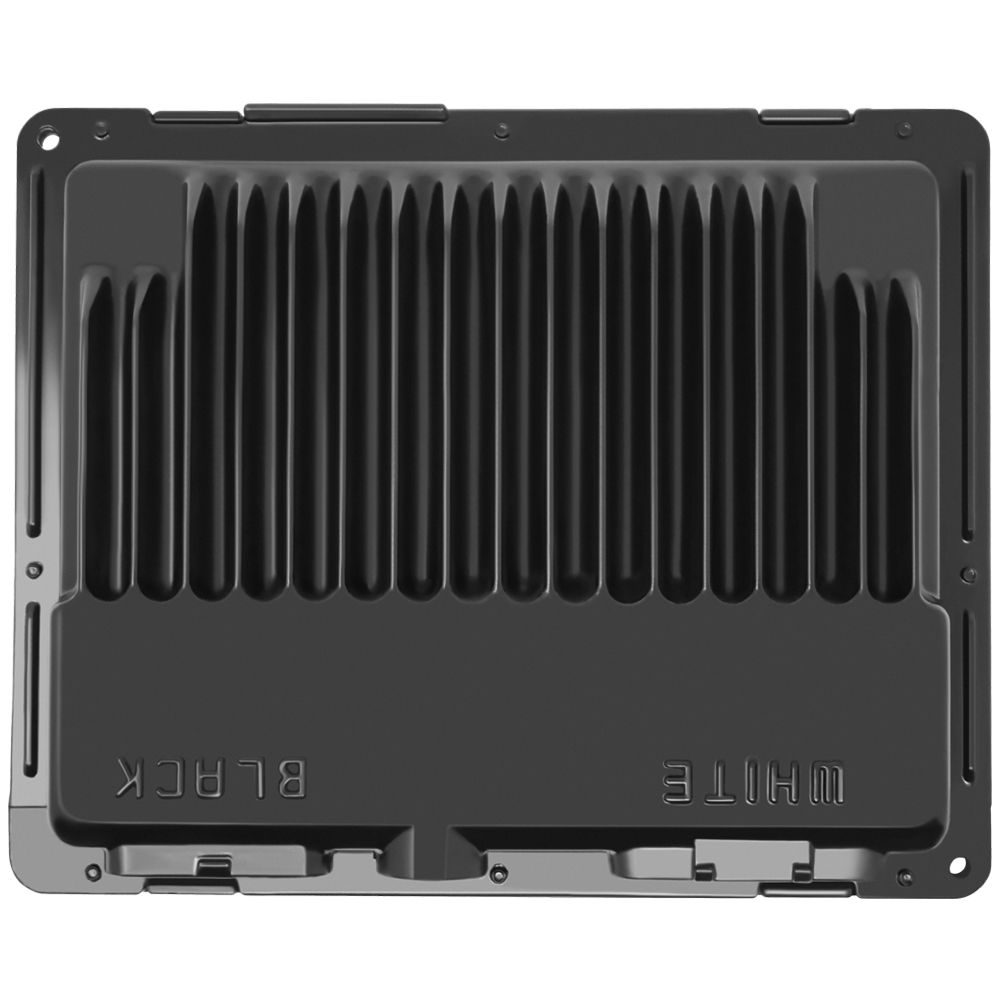
Flagship One stocks a refurbished, VIN-programmed PCM for the 1998 Chevrolet Suburban with a lifetime warranty, free shipping and no core charge. The full Chevrolet Suburban module lineup covers other engine configurations as well.
The Powertrain Control Module in your 1998 Chevrolet Suburban is a critical component that ensures smooth engine and transmission operation. Recognizing the symptoms of failure early, understanding the replacement process, and taking steps to protect your new module can help you avoid costly repairs down the road. Whether you choose to tackle the replacement yourself or leave it to a professional, having the right information makes all the difference. If you’re ready to restore your Suburban’s performance, consider a VIN-programmed replacement unit to simplify the process.