
Last updated on August 25th, 2026 at 02:30 pm
The Powertrain Control Module (PCM) in your 1997 Chevrolet Tahoe acts as the brain for engine and transmission functions. Failures may cause erratic performance, stalling, or complete no-start conditions due to corrupted data or internal faults.
If your 1997 Chevrolet Tahoe has been acting up—stalling at stoplights, refusing to start, or throwing unexplained check-engine lights—it may be time to consider the Powertrain Control Module (PCM). This small but critical component manages everything from fuel delivery to transmission shifts, and when it fails, your vehicle’s performance can suffer in frustrating ways. Replacing the PCM isn’t just about swapping a part; it involves precise labor, programming, and a relearn procedure to ensure everything communicates correctly. Understanding the process helps you avoid unnecessary delays and ensures your Tahoe runs as smoothly as it did when it rolled off the lot. Whether you’re a DIYer or leaving it to a shop, knowing what to expect can save you time, money, and headaches down the road.
The Powertrain Control Module (PCM) in your 1997 Chevrolet Tahoe is the central computer responsible for managing the engine and transmission. It processes data from sensors throughout the vehicle to optimize fuel injection, ignition timing, and shift points, ensuring efficient performance and emissions compliance. Without a functioning PCM, your Tahoe may struggle to start, run roughly, or even fail to shift gears properly. This module is particularly critical in older vehicles like yours, where wear and tear on sensors and wiring can lead to communication errors. When the PCM fails, it often triggers a cascade of issues, from poor fuel economy to replacement engine computers for the Tahoe that restore factory-level functionality. Given its role, the PCM isn’t just another part—it’s the nerve center that keeps your vehicle running reliably.
1997 Chevrolet Tahoe
OEM programmed ECM for your 1997 Chevrolet Tahoe — plug & play, no dealer visit.
Free shipping · Lifetime warranty
In the 1997 Chevrolet Tahoe, the PCM is located inside the passenger-side footwell, mounted to the firewall behind the kick panel. Accessing it requires removing the lower dashboard panel and the kick panel cover, which typically involves a few screws or clips. Once exposed, the PCM is secured with a single bolt or screw, and its electrical connector is held in place by a locking tab. Replacement involves disconnecting the battery, removing the old module, and installing the new one in its place. The labor time for this procedure is typically 1.1 hours for the 5.7L gas engine, as the process is straightforward but requires care to avoid damaging the connector or surrounding components. After installation, the PCM must be reconnected to the battery, and a relearn procedure is necessary to synchronize it with the vehicle’s systems.
| Operation | Configuration | Book Time |
|---|---|---|
| Powertrain Control Module Relearn | All configurations | 0.5 hr |
| Engine Control Module R&R | GAS | 1.1 hr |
| Engine Control Module R&R | DIESEL | 1.4 hr |
After replacing the PCM in your 1997 Chevrolet Tahoe, the factory procedure requires a relearn process to ensure the module communicates correctly with the engine and transmission. This typically involves a 0.5-hour labor step where the technician uses a scan tool to reset adaptive values, clear fault codes, and synchronize the PCM with the vehicle’s sensors. However, if you opt for a VIN-programmed replacement unit, these steps are already completed before the module arrives. Flagship One units are pre-programmed to match your Tahoe’s specific VIN, eliminating the need for on-site reprogramming and reducing the risk of compatibility issues. This not only saves time but also ensures the module is ready to function as soon as it’s installed, minimizing downtime and potential headaches.
A failing PCM in your 1997 Chevrolet Tahoe can manifest in several ways, often mimicking other issues like fuel pump failure or transmission problems. One of the most common symptoms is a no-start condition, where the engine cranks but refuses to fire, often due to incorrect fuel or spark timing signals. Stalling at idle or during acceleration is another red flag, as the PCM may lose its ability to adjust air-fuel ratios in real time. You might also notice erratic shifting patterns, such as harsh or delayed gear changes, because the PCM controls transmission solenoids. Misfire codes, like an internal control module memory check sum error, may appear on your scan tool, indicating the PCM’s memory has become corrupted. Other signs include poor fuel economy, rough idling, or even a complete loss of communication with diagnostic tools. If your Tahoe exhibits any of these symptoms, the PCM should be high on your list of suspects, especially if other components like sensors or wiring have been ruled out.
General Motors issued a service bulletin (#99-06-04-053) in October 1999 addressing PCM reprogramming for various vehicles, including the 1997 Chevrolet Tahoe. This bulletin outlined procedures for updating the PCM’s software to address potential drivability issues, such as stalling, rough idling, or transmission shifting problems. While not all Tahoes of this vintage will require reprogramming, the bulletin serves as a reminder that software updates may resolve symptoms that mimic hardware failures. If your vehicle exhibits persistent issues, checking for applicable bulletins can help determine whether a software update is recommended before replacing the PCM.
| Bulletin | Subject | What It Addresses |
|---|---|---|
| 99-06-04-053 | Info – PCM Reprogramming – (Oct 26, 1999) | — |
Stalling at stoplights is a common symptom of a failing PCM in the 1997 Tahoe. The module controls idle air control and fuel delivery, and if it loses communication with sensors or sends incorrect signals, the engine may shut off unexpectedly. Other causes like a faulty idle air control valve or vacuum leaks should be ruled out first, but the PCM is often the culprit if no other issues are found.
If your Tahoe exhibits symptoms like no-start conditions, stalling, or transmission shifting issues, a scan tool can help determine whether the PCM is setting internal fault codes. If codes like P0601 appear, reprogramming may resolve the issue. However, if the PCM fails to communicate with the scan tool or symptoms persist after reprogramming, replacement is likely necessary.
Replacing the PCM in your Tahoe is a straightforward process if you’re comfortable with basic tools and electrical work. The module is located behind the passenger-side kick panel, and the labor time is typically 1.1 hours. However, if you’re unsure about the relearn procedure or reprogramming, a shop can ensure the job is done correctly to avoid drivability issues.
Skipping the relearn procedure after replacing the PCM can lead to poor engine performance, rough idling, or transmission shifting problems. The relearn process synchronizes the new module with the vehicle’s sensors and adaptive values, ensuring smooth operation. Without it, your Tahoe may run erratically or even fail to start.
Aftermarket PCMs are available for the 1997 Tahoe, but they may require additional programming or may not offer the same level of compatibility as an OEM or VIN-programmed unit. Flagship One provides replacement PCMs that are pre-programmed to your VIN, eliminating the need for on-site reprogramming and ensuring a plug-and-play solution.
If your 1997 Chevrolet Tahoe is showing signs of PCM failure, you have a few options to consider. A repair shop can diagnose and replace the module, but labor costs for programming and relearn procedures can add up. Alternatively, a refurbished or new replacement PCM from Flagship One arrives pre-programmed to your VIN, reducing installation time and ensuring compatibility. This approach is particularly useful if you’re dealing with persistent drivability issues or a module that’s no longer communicating with diagnostic tools.
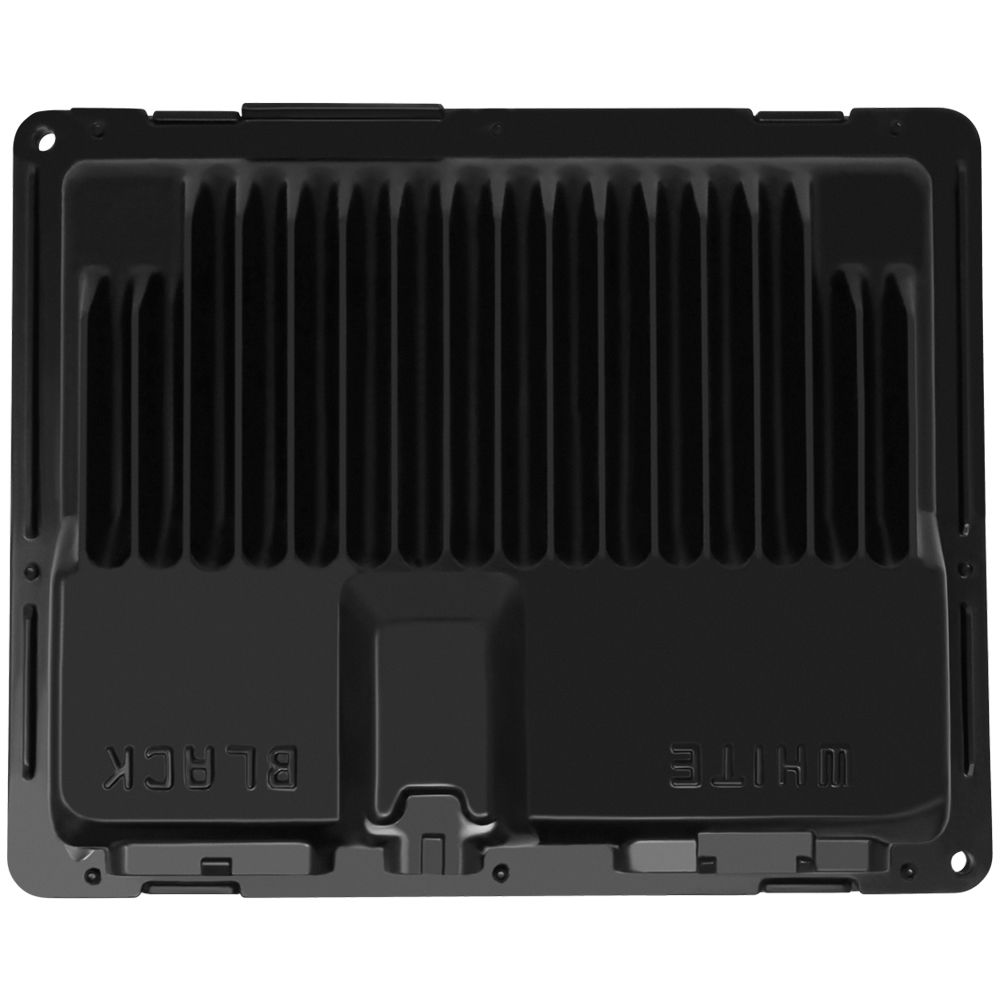
Flagship One stocks a refurbished, VIN-programmed PCM for the 1997 Chevrolet Tahoe with a lifetime warranty, free shipping and no core charge. The full Chevrolet Tahoe module lineup covers other engine configurations as well.
The Powertrain Control Module in your 1997 Chevrolet Tahoe plays a critical role in keeping your vehicle running smoothly. Whether you’re dealing with stalling, no-start conditions, or transmission issues, understanding the PCM’s function and replacement process can help you make informed decisions. With the right approach—whether through a shop or a VIN-programmed replacement unit—you can restore your Tahoe’s performance and reliability for years to come.