
Last updated on August 25th, 2026 at 02:29 pm
The powertrain control module in a 2000 Chevrolet Tahoe manages engine and transmission commands, fuel delivery, and emissions monitoring. A failure typically stems from internal EEPROM corruption or loss of programming, which can trigger diagnostic trouble codes such as P0601 or P0602 and disrupt vehicle operation.
When a 2000 Chevrolet Tahoe begins reporting powertrain control module trouble codes, the situation often calls for a replacement PCM. Understanding the module’s role, the safety cautions, and the post‑install steps can keep the repair straightforward and reduce the chance of secondary issues. This guide walks you through what the PCM does in this specific model, where it lives, how long the documented labor tasks typically take, and what factory‑mandated procedures follow a swap. You will also see common symptoms, a concise code list, and practical tips to help you protect the new unit once it’s in place. By the end, you should feel confident evaluating whether a new, refurbished, or VIN‑programmed replacement best fits your Tahoe’s needs.
In the 2000 Chevrolet Tahoe, the powertrain control module acts as the central computer that coordinates engine timing, fuel injection, transmission shift logic, and emissions controls. It receives sensor inputs, processes them against calibrated maps, and sends commands to actuators throughout the powertrain. Because the module stores critical calibration data in its EEPROM, any corruption can lead to loss of engine oil‑life tracking and trigger communication errors with diagnostic tools. The module’s health directly influences drivability, fuel efficiency, and compliance with emission standards. When the PCM fails, the vehicle may exhibit no‑start conditions, erratic shifting, or a cascade of diagnostic trouble codes. Selecting a proper replacement powertrain control modules for the 2000 Chevrolet Tahoe ensures that the vehicle’s control strategy remains consistent with factory specifications and that the EEPROM retains its programmed values.
The PCM in a 2000 Chevrolet Tahoe is mounted within the engine compartment, typically attached to the firewall near the battery and fuse block. Access involves disconnecting the battery cable, removing the PCM pigtail, and unfastening the mounting bolts. The documented labor times indicate that a powertrain control module relearn takes about half an hour, while a full engine control module removal and replacement requires roughly one and a half hours. After the new unit is seated, the installer must reconnect the wiring harness, reattach the mounting hardware, and verify that the ignition remains off while handling any power connections to avoid internal damage.
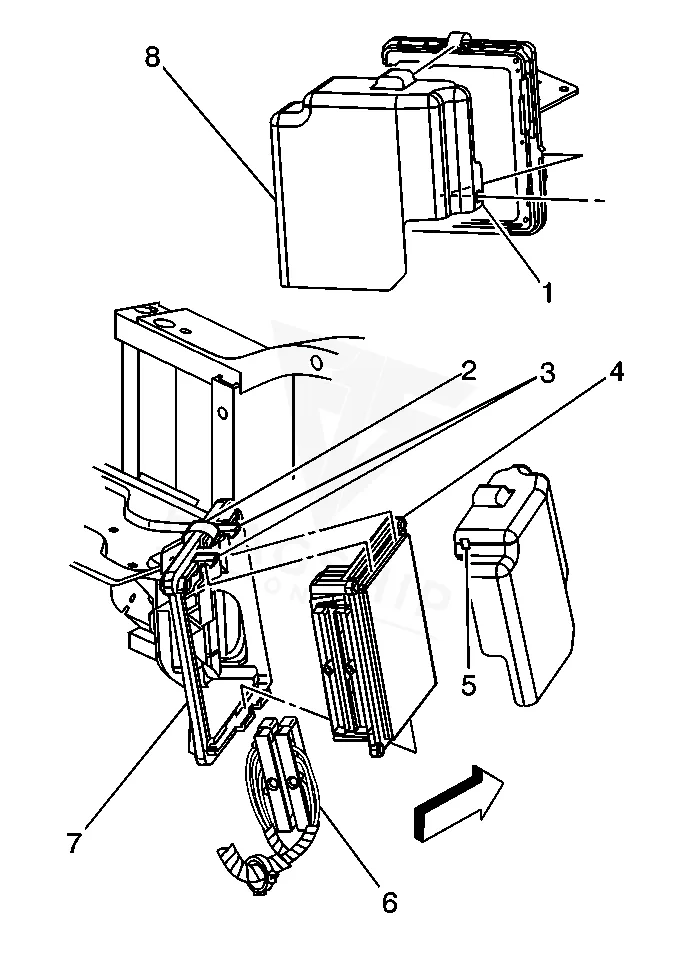
Work with the ignition off, and treat the module as static-sensitive: avoid touching the connector pins at any point.
| Operation | Configuration | Book Time |
|---|---|---|
| Powertrain Control Module Relearn | All configurations | 0.5 hr |
| Engine Control Module R&R | All configurations | 1.4 hr |
| Engine Control Module Relearn | All configurations | 0.5 hr |
| Engine Control Module Reset | All configurations | 0.3 hr |
2000 Chevrolet Tahoe
OEM programmed ECM for your 2000 Chevrolet Tahoe — plug & play, no dealer visit.
Free shipping · Lifetime warranty
Factory service information states that a replacement PCM will arrive without programmed EEPROM data, so the installer must perform a powertrain control module relearn that typically lasts 0.5 hours. During this process, the remaining engine oil life must be recorded, otherwise the system defaults the oil‑life monitor to 100 percent. Flagship One provides a VIN‑programmed replacement unit that arrives with the correct EEPROM values already loaded, eliminating the need for the relearn step and ensuring the oil‑life counter retains its original setting.
When the PCM in a 2000 Chevrolet Tahoe loses its programming, owners often notice the engine refusing to start, intermittent stalling, or unexpected transmission shift patterns. Diagnostic scans may return codes such as PCM EEPROM not programmed or malfunctioning, and the scan tool may lose communication entirely. Additional signs include a sudden reset of the oil‑life monitor to its default value and occasional misfire warnings that appear without obvious fuel or ignition faults. These symptoms usually point to internal memory corruption rather than external wiring problems, prompting a PCM replacement as the most effective remedy.
The following internal diagnostic trouble codes are documented for the powertrain control module in the 2000 Chevrolet Tahoe. These codes help pinpoint PCM‑related issues during a scan.
P0601 signals that the PCM’s EEPROM is either not programmed or has malfunctioned, which can cause loss of engine oil‑life data and communication failures.
You may replace the PCM if you follow the safety caution to keep the ignition off, disconnect the battery, and respect the documented labor times for removal and relearn.
Yes, any PCM that arrives without factory‑programmed EEPROM data will need the 0.5‑hour powertrain control module relearn to restore oil‑life monitoring.
Because the PCM controls shift timing, a malfunction can cause harsh, delayed, or unexpected gear changes, often accompanied by related trouble codes.
The primary risk is applying power to the module while the ignition is on; keeping the ignition off while disconnecting or reconnecting power helps protect the unit.
When the PCM in your 2000 Chevrolet Tahoe needs attention, you can choose a brand‑new unit, a refurbished replacement, or a VIN‑programmed module from Flagship One. Each option offers a path to restore proper engine management, but the VIN‑programmed choice eliminates the post‑install relearn step and preserves your oil‑life data. Weigh the cost, lead time, and warranty coverage to decide which solution aligns with your repair schedule and budget.
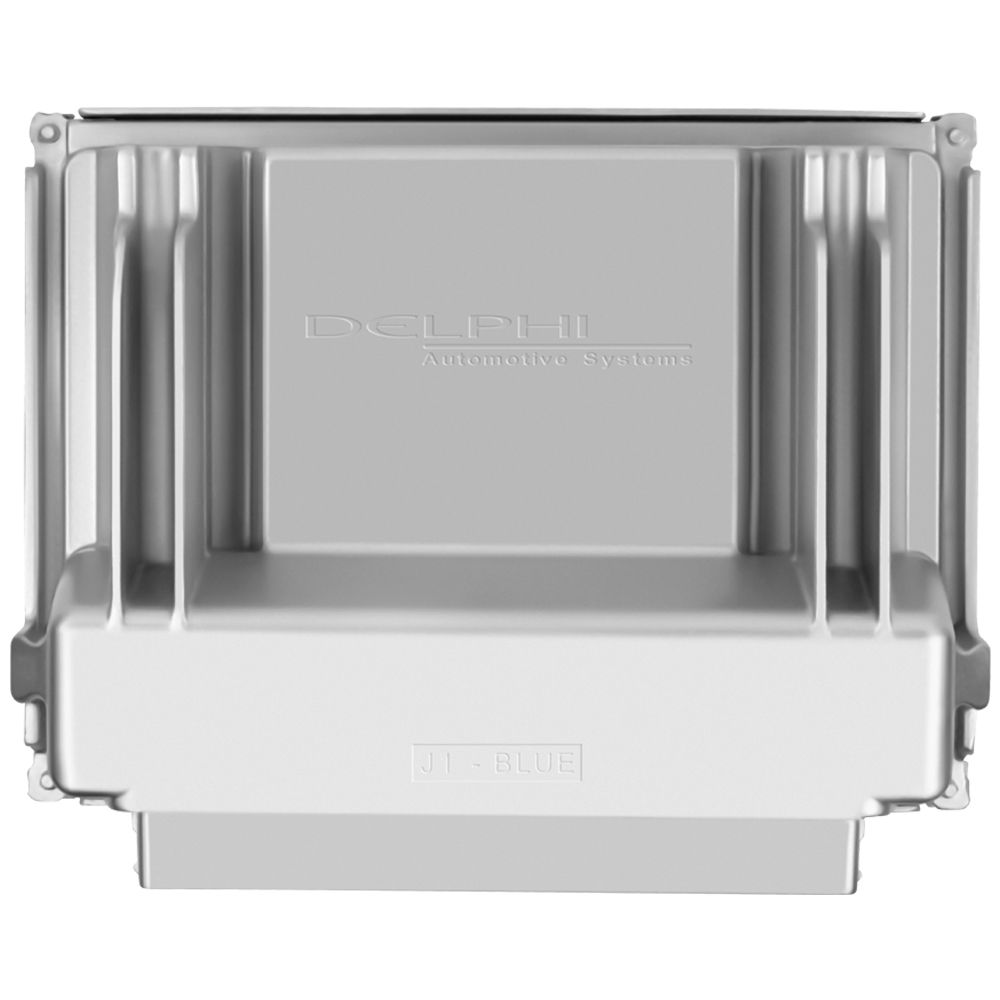
Flagship One stocks a refurbished, VIN-programmed PCM for the 2000 Chevrolet Tahoe with a lifetime warranty, free shipping and no core charge. The full Chevrolet Tahoe module lineup covers other engine configurations as well.
A malfunctioning PCM can disrupt the performance of a 2000 Chevrolet Tahoe, but understanding the safety steps, relearn requirements, and available replacement options helps you get back on the road quickly. Consider a VIN‑programmed unit to simplify the process and maintain your vehicle’s original settings.