
Last updated on August 25th, 2026 at 02:16 pm
The Powertrain Control Module (PCM) in your 1996 Chevrolet Tahoe 5.7L is the main computer that manages engine and transmission operation. It controls fuel injection, ignition timing, and shift points. When it fails, your Tahoe may not start, run poorly, or set trouble codes.
If your 1996 Chevrolet Tahoe with the 5.7L V8 engine is experiencing intermittent stalling, hard starting, or a check engine light that won’t go away, the Powertrain Control Module (PCM) may be the culprit. The PCM is the brain of your Tahoe’s engine and transmission management system. It processes data from sensors and sends commands to actuators to keep everything running smoothly. When it begins to fail, you may notice erratic shifting, poor fuel economy, or even a no-start condition. This article will help you understand what the PCM does, where it’s located, how replacement works, and what to expect after installation. You’ll also learn about a relevant factory service bulletin and get practical tips to protect your new module. By the end, you’ll have the knowledge to make an informed decision about repairing or replacing your Tahoe’s PCM.
1996 Chevrolet Tahoe
OEM programmed ECM for your 1996 Chevrolet Tahoe — plug & play, no dealer visit.
Free shipping · Lifetime warranty
The Powertrain Control Module (PCM) in your 1996 Chevrolet Tahoe 5.7L is a single computer that integrates engine and transmission control. It receives input from sensors like the crankshaft position sensor, throttle position sensor, and oxygen sensors. Using that data, it calculates fuel delivery, ignition timing, and transmission shift schedules. The PCM also monitors system health and sets diagnostic trouble codes when something goes wrong. In the 1996 Tahoe, the PCM is a critical component for meeting OBD-II emissions standards. A failing PCM can cause a range of problems, from a simple check engine light to a complete no-start. Common failure modes include internal circuit damage from voltage spikes, corrosion on connector pins, or failed capacitors. When you need a new one, you are looking for replacement PCMs for the 1996 Tahoe that are pre-programmed to match your vehicle’s VIN and options. The PCM is not a user-serviceable part; it must be replaced as a unit. Understanding its role helps you diagnose issues accurately and avoid replacing parts unnecessarily.
The PCM in your 1996 Chevrolet Tahoe 5.7L is located in the engine compartment, typically mounted on the passenger side fender well near the battery. To replace it, you will need to disconnect the negative battery cable, then unbolt the module from its bracket. The electrical connectors are held by clips or bolts; carefully release them without damaging the pins. The factory book time for replacing the PCM on a gas engine is 1.1 hours. After installation, a 0.5-hour relearn procedure is required to synchronize the PCM with your vehicle’s security system and transmission adaptations. This relearn involves a specific driving cycle that the technician must perform. If you are doing the job yourself, allow extra time for accessing the module and handling the connectors carefully.
| Operation | Configuration | Book Time |
|---|---|---|
| Powertrain Control Module R&R | GAS | 1.1 hr |
| Powertrain Control Module R&R | DIESEL | 1.4 hr |
| Powertrain Control Module Relearn | All configurations | 0.5 hr |
| Engine Control Module R&R | GAS | 1.1 hr |
| Engine Control Module R&R | DIESEL | 1.4 hr |
After installing a new PCM in your 1996 Chevrolet Tahoe 5.7L, the factory procedure requires a relearn process that takes about 0.5 hours. This involves turning the ignition on, waiting, and then performing a specific driving pattern to allow the PCM to learn the idle and shift adapts. Additionally, the PCM must be programmed with your vehicle’s VIN and options. Factory service bulletin #99-06-04-053 provides information on PCM reprogramming for this model. When you purchase a VIN-programmed replacement PCM from Flagship One, these steps are already completed. The module arrives ready to install, with your VIN and calibration data loaded. You simply install it, perform the brief relearn procedure, and your Tahoe is back on the road without a trip to the dealer.
A failing PCM in your 1996 Chevrolet Tahoe 5.7L can produce a variety of symptoms. The most common is a no-start condition where the engine cranks but does not fire. You may also experience intermittent stalling, especially when the engine is hot. The check engine light may illuminate with codes related to sensor circuits or internal PCM faults. Transmission shifting may become erratic, with harsh or delayed shifts. Fuel economy often drops noticeably. Another sign is a loss of communication with a scan tool, where the tool cannot connect to the PCM. If you see a code like anchor text indicating an internal memory error, the PCM is likely faulty. Other symptoms include misfire codes that persist after replacing spark plugs and coils, or a rough idle that cannot be corrected. Addressing these symptoms promptly can prevent secondary damage to other components.
Factory service bulletin #99-06-04-053, dated October 26, 1999, provides information on PCM reprogramming for the 1996 Chevrolet Tahoe. This bulletin outlines the procedure for updating the PCM software to address certain drivability concerns. It is important to note that this bulletin is informational and may not apply to all vehicles. If you are experiencing issues that could be resolved by a reprogramming, a dealer or qualified technician can perform the update. However, if your PCM is already failing, replacement may be the more reliable solution.
| Bulletin | Subject | What It Addresses |
|---|---|---|
| 99-06-04-053 | Info – PCM Reprogramming – (Oct 26, 1999) | — |
Common signs include a no-start condition, stalling, rough idle, transmission shifting problems, and a check engine light with codes like P0601. If a scan tool cannot communicate with the PCM, that is a strong indicator of failure.
Yes, if you have basic mechanical skills. The book time is 1.1 hours for the gas engine. You will need to disconnect the battery, unbolt the module, and carefully release the connectors. After installation, a 0.5-hour relearn procedure is required.
The relearn involves turning the ignition on for a set time, then performing a specific driving cycle that includes idle, acceleration, and deceleration. This allows the PCM to learn idle speed and transmission shift adapts. The factory book time for this is 0.5 hours.
Yes, a new PCM must be programmed with your vehicle’s VIN and calibration data. Flagship One supplies VIN-programmed units that arrive ready to install, eliminating the need for dealer programming.
That service bulletin provides information on PCM reprogramming. It describes the procedure for updating the PCM software to address certain drivability issues. It is informational and may not apply to all vehicles.
When your 1996 Chevrolet Tahoe 5.7L needs a new PCM, you have two main options: repair or replace. Repairing a PCM is rarely cost-effective and often unreliable. A refurbished or new replacement PCM from Flagship One comes pre-programmed with your VIN, saving you the dealer visit and programming fees. The 1.1-hour book time for replacement makes it a straightforward job for a shop or a confident DIYer. Consider the long-term reliability of a properly programmed module over a repaired unit.
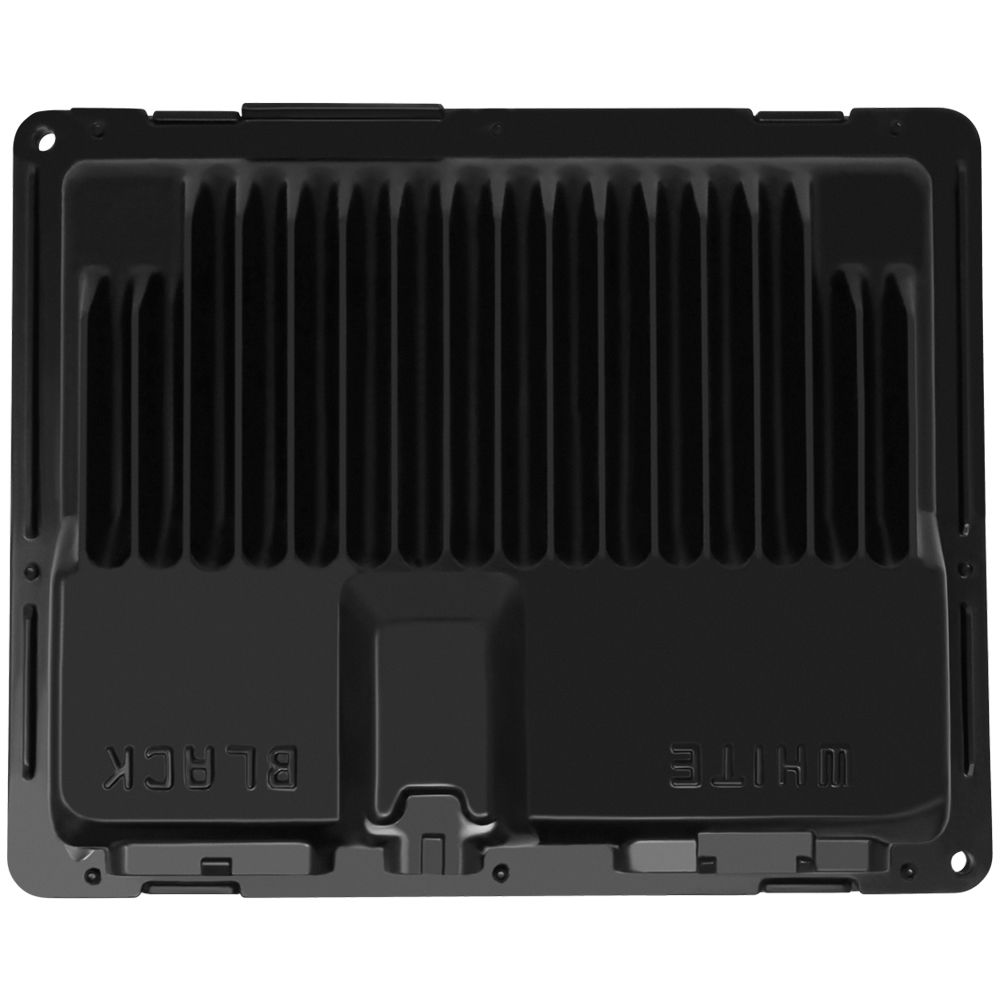
Flagship One stocks a refurbished, VIN-programmed PCM for the 1996 Chevrolet Tahoe with a lifetime warranty, free shipping and no core charge. The full Chevrolet Tahoe module lineup covers other engine configurations as well.
The PCM is a vital component in your 1996 Chevrolet Tahoe 5.7L, controlling engine and transmission performance. Recognizing failure symptoms early and understanding the replacement process can save you time and money. Flagship One offers VIN-programmed PCMs that simplify the repair, so you can get your Tahoe back on the road with confidence.