
Last updated on August 25th, 2026 at 02:29 pm
The Powertrain Control Module in your 1999 Chevrolet Tahoe serves as the central computer governing engine and transmission operation. When this unit fails internally, it typically triggers multiple module-internal fault codes simultaneously, indicating memory corruption or processor issues rather than sensor-specific problems.
If your 1999 Chevrolet Tahoe has triggered multiple module-internal trouble codes without clear sensor-related causes, the Powertrain Control Module itself may be the source of the problem. This central computer handles critical calculations for fuel delivery, ignition timing, and transmission shift points. When internal diagnostics detect memory or processing faults within the PCM, codes like P0601 through P1631 commonly appear together. Understanding the replacement process, programming requirements, and what to expect can help you make an informed repair decision. This guide covers factory-recommended procedures, common symptoms of PCM failure, and practical steps to protect your replacement module going forward.
The Powertrain Control Module in your 1999 Chevrolet Tahoe functions as the brain of your vehicle’s powertrain system. This computer receives input from numerous sensors throughout the engine and transmission, processing this data to control fuel injection, spark advance, transmission shifting, and emissions systems. On the 5.7L V8 engine found in this model, the PCM must constantly balance performance, efficiency, and emissions control under varying loads and conditions. When searching for replacement engine computers for the Tahoe, you will find that this module’s integration with virtually every powertrain system means that internal failures can produce wide-ranging symptoms. The module operates in a harsh environment subject to heat cycles, vibration, and electrical stress, which over time may lead to internal component degradation. Because of its central role, PCM failure often affects multiple vehicle systems simultaneously rather than presenting as a single isolated problem.
Flagship One keeps Chevrolet Tahoe replacement engine computers in stock for exactly this failure pattern.
1999 Chevrolet Tahoe
OEM programmed ECM for your 1999 Chevrolet Tahoe — plug & play, no dealer visit.
Free shipping · Lifetime warranty
The factory documentation indicates the Powertrain Control Module for this generation of Chevrolet truck is positioned within the passenger compartment, which simplifies access compared to engine bay locations. When replacing the module, you will need to disconnect the negative battery cables as a first step, which the factory cautions as essential for preventing electrical damage. The replacement process involves removing mounting hardware, disconnecting electrical connectors, and transferring the old unit. Book time for Engine Control Module replacement on the 5.7L gasoline engine is 1.1 hours, with an additional 0.5 hours for relearn procedures after installation. Following the factory caution regarding electrostatic discharge, avoid touching component leads or removing integrated circuits from their carriers during handling. Verify all connections are secure before reassembly, as loose connectors may cause symptoms similar to module failure.
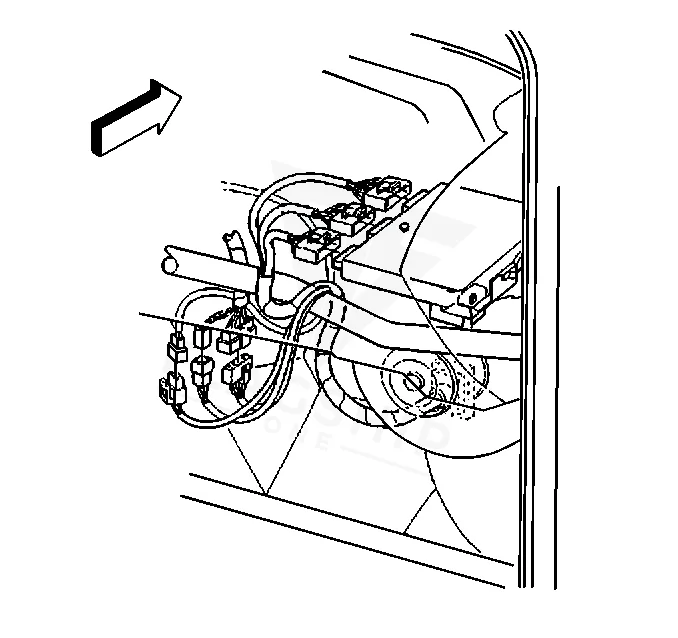
Work with the ignition off, and treat the module as static-sensitive: avoid touching the connector pins at any point.
| Operation | Configuration | Book Time |
|---|---|---|
| Powertrain Control Module Relearn | All configurations | 0.5 hr |
| Engine Control Module R&R | GAS | 1.1 hr |
| Engine Control Module R&R | DIESEL | 1.4 hr |
After installing a replacement PCM, the factory procedure requires performing a relearn process to calibrate the new module to your specific vehicle. If the initial programming attempt fails, the recommended steps include checking all PCM connections thoroughly and attempting the reprogramming sequence again. The battery disconnection caution applies throughout this process. Your 1999 Chevrolet Tahoe may trigger various codes during this relearn phase, which typically resolve once the process completes successfully. Flagship One units arrive as a VIN-programmed replacement unit, meaning the relearn procedure is significantly streamlined since the module is already configured for your specific vehicle identification number. This pre-programming eliminates several steps from the factory procedure and reduces the potential for programming-related issues during installation.
Every VIN-programmed replacement unit from Flagship One arrives with these steps already completed.
When the Powertrain Control Module begins failing internally, your 1999 Chevrolet Tahoe may exhibit multiple seemingly unrelated symptoms that develop over time. Common presentations include hard starting or no-start conditions, engine stalling at idle or under load, and hesitation during acceleration. Misfire codes across multiple cylinders often appear together, along with transmission shifting irregularities that feel unresponsive or harsh. In some cases, the check engine light may illuminate but basic scan tools cannot establish communication with the PCM, suggesting deeper module issues. You might also notice intermittent electrical glitches affecting gauges, lighting, or accessory circuits. The module-internal codes P0601 through P1631 specifically indicate various forms of memory checksum errors, controller failures, or calibration problems within the PCM itself. When multiple of these codes appear simultaneously without corresponding sensor failures, internal PCM damage becomes the primary suspect.
The following module-internal trouble codes have been documented in the 1999 Chevrolet Tahoe powertrain control system. These codes specifically indicate failures within the PCM rather than external sensor or actuator problems. Code P0601 signals internal memory checksum errors, while P0602 indicates a programming calibration issue. Codes P0603 and P0604 reference processor or memory failures, with P0605 representing a read-only memory fault. Additional codes P1621, P1626, and P1631 relate to controller performance and theft deterrent system communication failures that may stem from PCM internal deficiencies.
| Code | Meaning | Full Guide |
|---|---|---|
| P0601 | Internal memory checksum error | Full P0601 guide → |
| P0602 | Control module programming error | Full P0602 guide → |
| P0603 | Keep-alive memory (KAM) error | Full P0603 guide → |
| P0604 | Internal RAM error | Full P0604 guide → |
| P0605 | Internal ROM error | Full P0605 guide → |
| P1621 | Control module long-term memory performance | Full P1621 guide → |
| P1626 | Module-internal fault | — |
| P1631 | Module-internal fault | — |
Factory Service Bulletin #99-06-04-053, issued October 26, 1999, specifically addresses PCM reprogramming procedures for this generation of Chevrolet vehicle. The bulletin provides guidance on proper programming methods and troubleshooting steps when reprogramming encounters difficulties. This service information confirms that factory-authorized procedures include specific verification steps to ensure the replacement module functions correctly within your vehicle’s control system. The existence of this bulletin indicates that PCM programming issues were a recognized concern requiring dealer-level technical support during this model year.
| Bulletin | Subject | What It Addresses |
|---|---|---|
| 99-06-04-053 | Info – PCM Reprogramming – (Oct 26, 1999) | — |
Factory book time for Engine Control Module replacement on the 5.7L engine is 1.1 hours, with an additional 0.5 hours for relearn procedures after installation. Actual time may vary depending on your specific situation and whether any unexpected complications arise during the process.
The factory procedure typically requires a relearn process after module replacement. However, units from Flagship One arrive pre-configured with your vehicle’s specific VIN, which means the relearn is simplified and several factory programming steps are already completed before the module arrives.
When multiple module-internal codes like P0601 through P1631 appear simultaneously without corresponding sensor-related faults, the PCM is likely the source. Common symptoms include no-start conditions, stalling, widespread misfire codes, and loss of scan tool communication with the powertrain system.
When your 1999 Chevrolet Tahoe requires Powertrain Control Module service, you face two main paths: professional repair of the existing unit or replacement with a refurbished module. Repair may be suitable for minor issues, but internal PCM failures typically respond better to complete replacement. Refurbished units from established suppliers often provide cost savings compared to dealer pricing while meeting quality standards. Regardless of your chosen path, ensure the supplier provides proper VIN programming for your specific vehicle and offers adequate warranty coverage for this critical component.
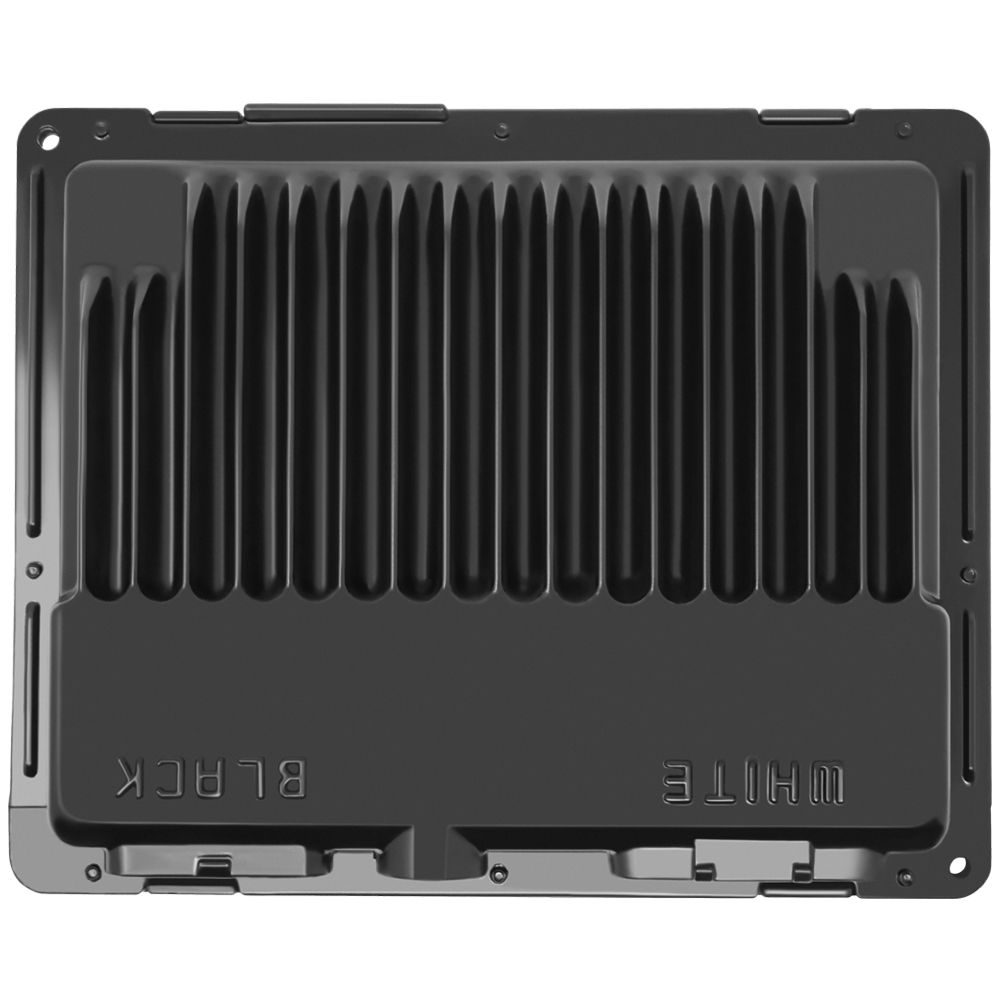
Flagship One stocks a refurbished, VIN-programmed PCM for the 1999 Chevrolet Tahoe with a lifetime warranty, free shipping and no core charge. The full Chevrolet Tahoe module lineup covers other engine configurations as well.
The Powertrain Control Module represents the most integral component of your 1999 Chevrolet Tahoe’s powertrain management system. Module-internal codes appearing in groups often point directly to PCM failure rather than scattered sensor issues. Understanding factory procedures, programming requirements, and protective measures helps ensure your repair investment lasts. Whether you pursue replacement or professional service, addressing these symptoms promptly in your Chevrolet Tahoe will restore drivability and prevent potential roadside failures.