
Last updated on August 25th, 2026 at 02:28 pm
The Powertrain Control Module (PCM) in your 2002 Chevrolet Tahoe manages engine and transmission functions. Failures may cause erratic performance, no-start conditions, or stored trouble codes related to internal memory or communication errors.
If your 2002 Chevrolet Tahoe is experiencing unexplained stalling, a no-start condition, or persistent trouble codes, the Powertrain Control Module (PCM) may be at fault. This critical component controls engine and transmission operations, and its failure can disrupt normal vehicle function. Replacing the PCM involves more than just swapping parts—it requires careful handling to avoid damage and a relearn procedure to ensure proper operation. Understanding the process helps you make informed decisions about repairs and avoid unnecessary complications.
The PCM in your 2002 Chevrolet Tahoe acts as the brain of the engine and transmission, regulating fuel delivery, ignition timing, and shift points. It processes data from sensors to optimize performance and emissions. A faulty PCM can lead to poor drivability, reduced fuel efficiency, or even a vehicle that won’t start. When replacement becomes necessary, choosing replacement engine computers for the Tahoe ensures compatibility and proper function, as these units are designed to meet the vehicle’s specific requirements.
The PCM in the 2002 Chevrolet Tahoe is typically located near the engine bay, often secured behind a protective cover. Replacing it involves disconnecting the battery, removing the module’s electrical connectors, and unbolting the unit from its mount. Labor for removal and reinstallation is estimated at 1.4 hours. After installation, a relearn procedure, taking an additional 0.5 hours, is required to synchronize the new module with the vehicle’s systems. Always ensure the ignition is off before disconnecting power to prevent internal damage.
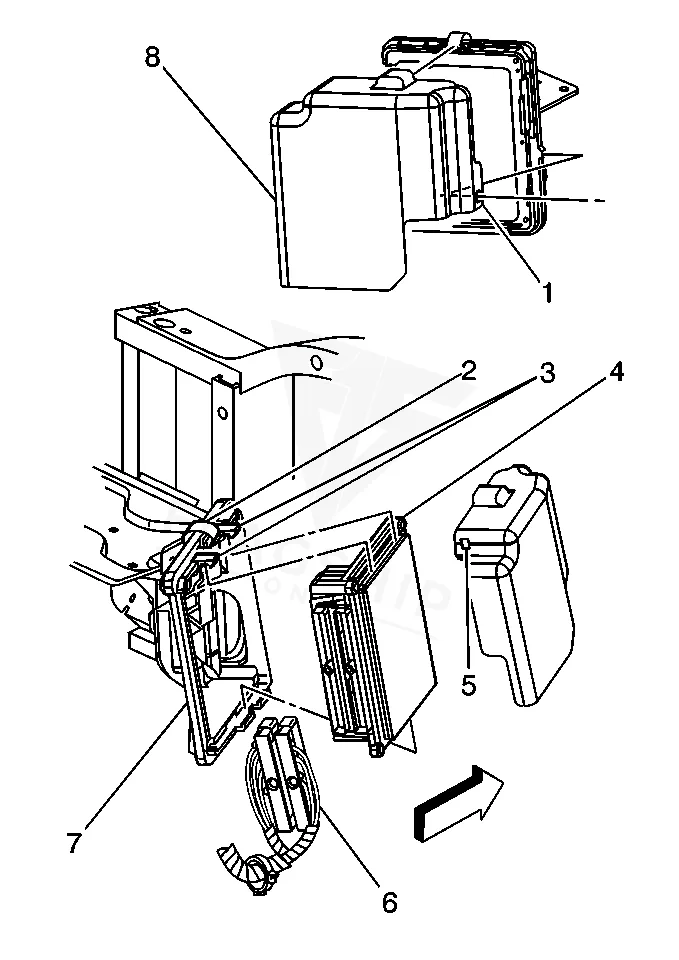
Work with the ignition off, and treat the module as static-sensitive: avoid touching the connector pins at any point.
| Operation | Configuration | Book Time |
|---|---|---|
| Powertrain Control Module R&R | All configurations | 1.4 hr |
| Powertrain Control Module Relearn | All configurations | 0.5 hr |
| Engine Control Module R&R | All configurations | 1.4 hr |
| Engine Control Module Relearn | All configurations | 0.5 hr |
| Engine Control Module Reset | All configurations | 0.3 hr |
2002 Chevrolet Tahoe
OEM programmed ECM for your 2002 Chevrolet Tahoe — plug & play, no dealer visit.
Free shipping · Lifetime warranty
After installing a new PCM in your 2002 Chevrolet Tahoe, the factory procedure requires a relearn process to ensure proper communication with the vehicle’s systems. This typically involves using a scan tool to program the module with the vehicle’s VIN and other critical data. However, a VIN-programmed replacement unit from Flagship One arrives ready to install, eliminating the need for off-board programming and reducing the time spent in the shop. This ensures a smoother, more efficient replacement process.
A failing PCM in your 2002 Chevrolet Tahoe may cause a range of symptoms, including intermittent stalling, rough idle, or a no-start condition. You might also notice poor fuel economy, erratic shifting, or the check engine light illuminating with codes like internal control module memory checksum error. In some cases, the vehicle may enter a limp-home mode, limiting engine power. If your scan tool fails to communicate with the PCM, it could indicate a complete module failure or a wiring issue that needs attention.
The 2002 Chevrolet Tahoe’s PCM may store specific trouble codes when internal faults occur. These codes help diagnose issues related to memory, communication, or control functions. Below are the documented module-internal trouble codes for this vehicle.
Factory service bulletins for the 2002 Chevrolet Tahoe address control module reprogramming and warranty administration. Bulletin #02-06-04-057 (updated as #02-06-04-057E) outlines labor operation assignments for reprogramming all control modules. Bulletin #07-00-89-043 emphasizes the use of GM-issued parts and calibrations for warranty repairs. Additionally, bulletin #02-09-41-001 notes that certain diagnostic trouble codes (DTCs) may set when replacing or reprogramming other modules in the vehicle.
| Bulletin | Subject | What It Addresses |
|---|---|---|
| 02-06-04-057 | Warranty Admin. – Labor Operation Assignments for All Control Module Reprogramming – (Mar 2, 20 | — |
| 07-00-89-043 | Warranty Admin. – Use of Parts and Components (Including Control Module Calibrations) Not Issue | — |
| 02-09-41-001 | Info – DTCs B1001, B1271 or B1780 Set When Replacing/Reprogramming Other Modules – (May 24, 200 | — |
While it’s possible for experienced DIYers, PCM replacement requires careful handling to avoid damage. The process involves disconnecting the battery, removing the module, and performing a relearn procedure. If you’re unfamiliar with these steps, professional installation is recommended to ensure proper function.
The relearn procedure synchronizes the new PCM with the vehicle’s sensors and systems. Without it, the module may not communicate correctly, leading to drivability issues or stored trouble codes. The process typically takes 0.5 hours and is essential for proper operation.
If the new PCM isn’t programmed with the remaining engine oil life, it will default to 100%. This may cause the oil change reminder to reset prematurely, leading to unnecessary maintenance alerts or delayed oil changes if not manually tracked.
When your 2002 Chevrolet Tahoe’s PCM fails, you have options for replacement. A dealership may offer a new unit with factory programming, but this can be costly and time-consuming. Refurbished or remanufactured units provide a cost-effective alternative, especially when pre-programmed to your vehicle’s VIN. This reduces installation time and ensures compatibility without additional programming steps.
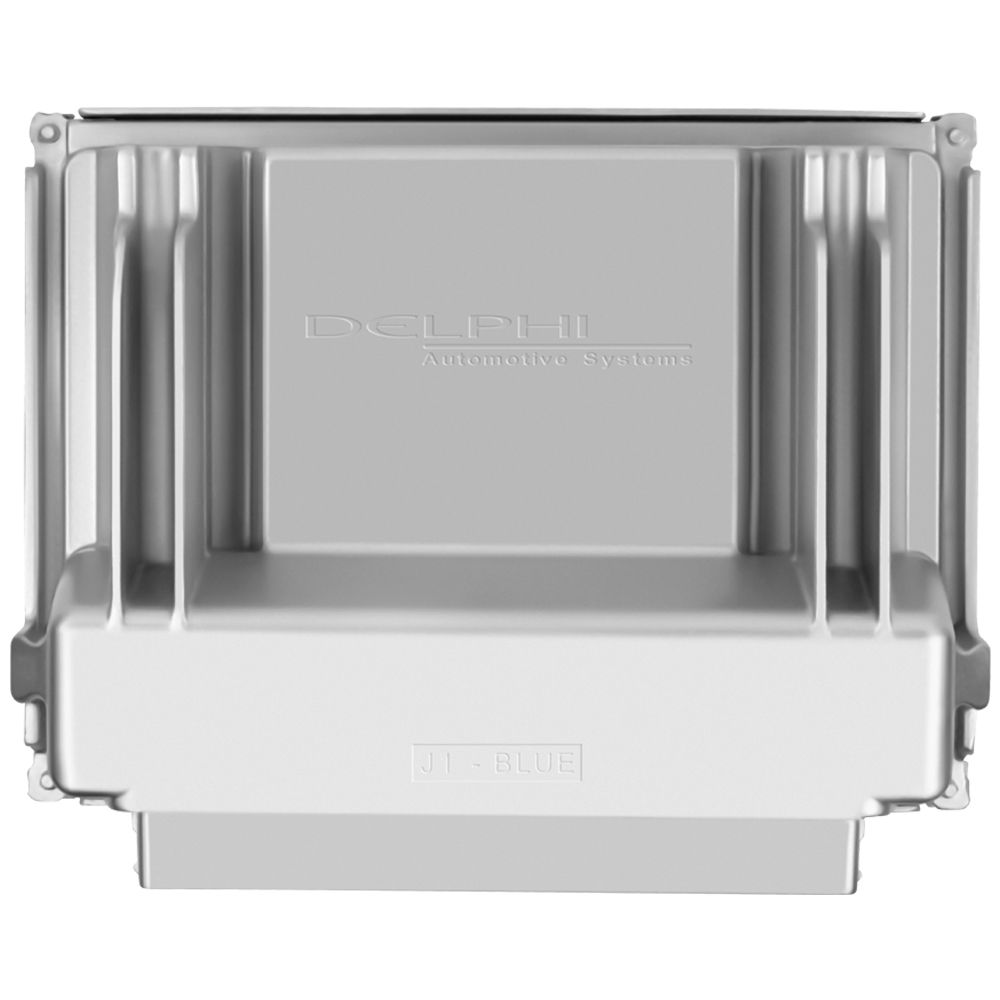
Flagship One stocks a refurbished, VIN-programmed PCM for the 2002 Chevrolet Tahoe with a lifetime warranty, free shipping and no core charge. The full Chevrolet Tahoe module lineup covers other engine configurations as well.
Replacing the PCM in your 2002 Chevrolet Tahoe is a manageable task when approached with the right knowledge. Understanding the labor involved, factory cautions, and programming requirements helps you avoid common pitfalls. Whether you opt for professional installation or a DIY approach, ensuring the module is properly programmed and installed will restore your vehicle’s performance and reliability.