
Last updated on August 25th, 2026 at 02:33 pm
The Engine Control Module (ECM) in your 2014 Cadillac CTS-V manages fuel delivery, ignition timing, and emissions systems. Failure may cause erratic engine behavior, no-start conditions, or stored trouble codes related to internal memory faults.
If your 2014 Cadillac CTS-V is experiencing unexplained stalling, misfires, or a no-start condition, the Engine Control Module (ECM) may be at fault. This critical component oversees engine performance by regulating fuel, ignition, and emissions systems. When it fails, symptoms can range from subtle drivability issues to complete engine shutdown. Understanding the replacement process, labor expectations, and programming requirements helps you make informed decisions. This guide covers what the ECM does, where it’s located, common failure signs, and steps to restore reliable operation.
The ECM in your 2014 Cadillac CTS-V acts as the brain of the engine, continuously adjusting fuel injection and ignition timing for optimal performance. It also monitors emissions systems and communicates with other vehicle modules to ensure smooth operation. A malfunctioning ECM may disrupt these processes, leading to poor throttle response or stored fault codes. When replacement becomes necessary, you’ll need replacement engine computers for the CTS-V that match the original specifications. The module’s role is especially critical in high-performance engines like the 6.2L, where precise calibration directly impacts power delivery and efficiency.
The ECM in the 2014 Cadillac CTS-V is mounted in the engine bay, typically near the firewall or on the passenger-side strut tower. Replacement involves disconnecting the battery, removing the electrical connector, and unbolting the module from its bracket. Labor time for the 6.2L engine is listed at 0.6 hours, making it one of the quicker powertrain control module replacements. No additional components, such as intake manifolds or airboxes, need to be removed for access. Always ensure the ignition is off before disconnecting the module to prevent electrical issues.
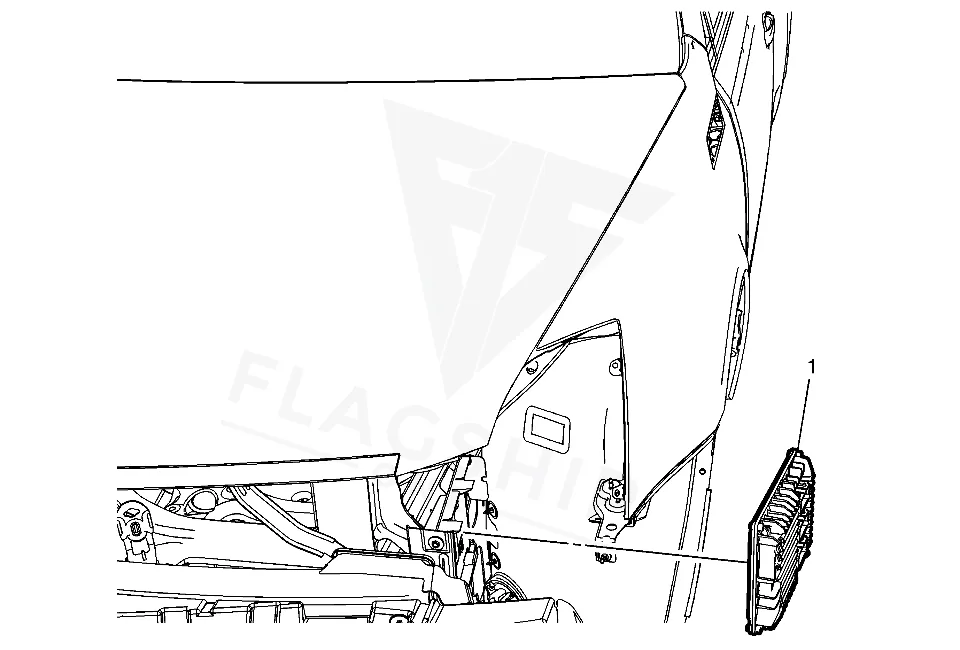
Work with the ignition off, and treat the module as static-sensitive: avoid touching the connector pins at any point.
| Operation | Configuration | Book Time |
|---|---|---|
| Powertrain Control Module R&R | Wagon | 3.7 hr |
| Powertrain Control Module R&R | 3.6L | 3.7 hr |
| Powertrain Control Module R&R | 6.2L | 0.6 hr |
| Powertrain Control Module R&R | 2.0L | 0.6 hr |
| Powertrain Control Module R&R | 3.6L | 1.5 hr |
| Powertrain Control Module Relearn | All configurations | 0.5 hr |
| Engine Control Module R&R | 3.0L | 3.7 hr |
| Engine Control Module R&R | 6.2L | 0.6 hr |
2014 Cadillac CTS-V
OEM programmed ECM for your 2014 Cadillac CTS-V — plug & play, no dealer visit.
Free shipping · Lifetime warranty
After installing a new ECM in your 2014 Cadillac CTS-V, the factory procedure requires reprogramming to restore vehicle-specific data. This involves using a scan tool to upload calibration files and perform a relearn process, which typically takes 0.5 hours. However, a VIN-programmed replacement unit from Flagship One arrives ready for installation, eliminating the need for on-site programming. This ensures your vehicle’s engine parameters, fuel trims, and emissions settings are immediately restored without additional labor or diagnostic steps.
A failing ECM in your 2014 Cadillac CTS-V may cause a range of symptoms, including intermittent stalling, rough idle, or a no-start condition. You might also notice the check engine light illuminating with codes related to internal module faults, such as memory integrity errors. In some cases, the vehicle may enter a reduced-power mode to prevent further damage. Poor scan tool communication or incomplete data retrieval during diagnostics can also indicate ECM issues. These symptoms often worsen under specific conditions, such as high engine loads or extreme temperatures.
The 2014 Cadillac CTS-V’s ECM may store specific trouble codes when internal faults occur. These codes help pinpoint issues like memory corruption, processor failures, or communication errors. Reviewing them early can prevent further drivability problems.
Factory service bulletin #PIP5109C notes a part restriction for the ECM in certain applications, including the 2014 Cadillac CTS-V. This bulletin specifies that only a designated part number (12656993) should be used for replacements to ensure compatibility and proper function. Following this guidance helps avoid potential calibration mismatches or module failures after installation.
| Bulletin | Subject | What It Addresses |
|---|---|---|
| — | PQC Part Restriction – E92 ECM Restriction Part Number 12656993 – (Sep 25, 2013) | — |
The ECM stores vehicle-specific data, including fuel trims, transmission calibrations, and emissions settings. Reprogramming ensures the new module matches your CTS-V’s original configuration. Without it, the engine may run poorly or fail to start.
While the physical replacement is straightforward, programming requires specialized tools and software. Most owners opt for professional installation to ensure proper calibration and avoid drivability issues.
Common signs include stalling, rough idle, or a no-start condition. Stored trouble codes like P0601 or P0606 often indicate internal ECM faults. A diagnostic scan can confirm the issue.
If your 2014 Cadillac CTS-V requires an ECM replacement, you have options. A new OEM module ensures factory specifications but may involve additional programming time. Alternatively, a pre-programmed replacement from Flagship One eliminates the need for on-site calibration, reducing labor and potential diagnostic delays. Consider your vehicle’s needs and repair timeline when choosing the best solution.
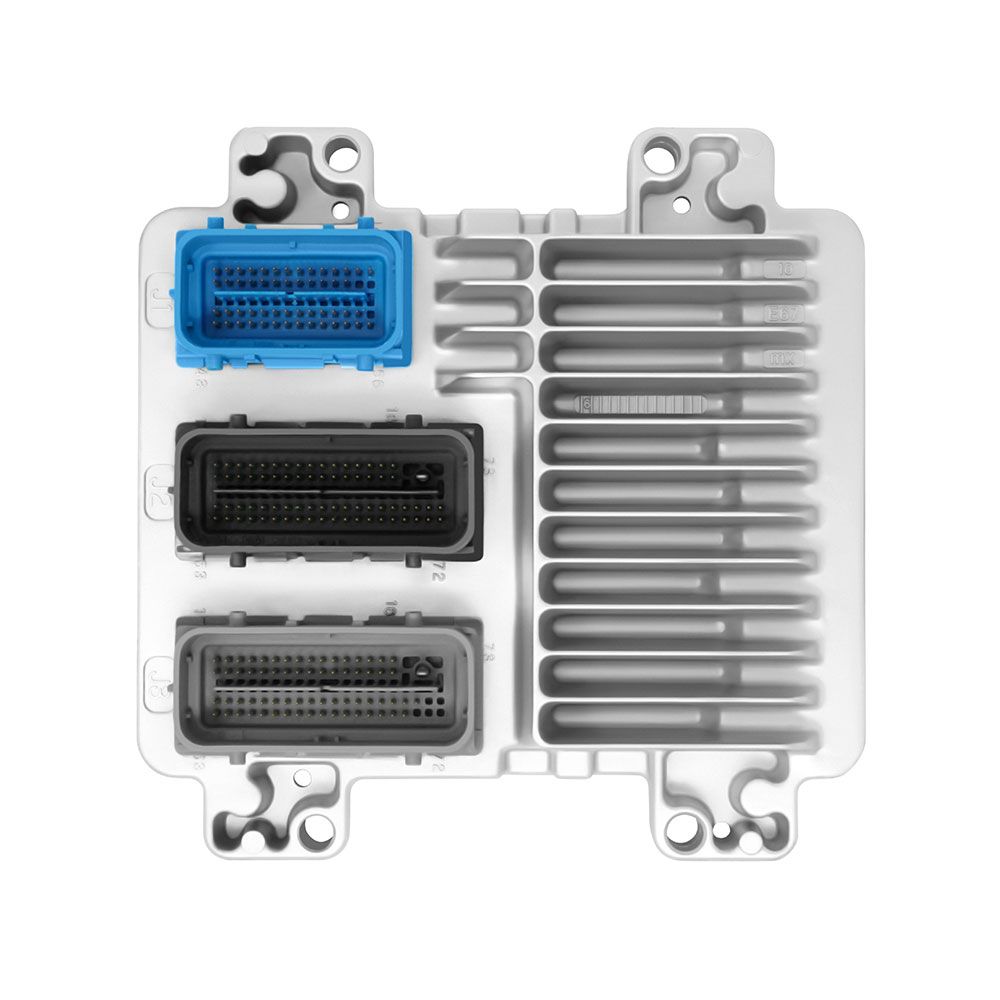
Flagship One stocks a refurbished, VIN-programmed PCM for the 2014 Cadillac CTS-V with a lifetime warranty, free shipping and no core charge. The full Cadillac CTS-V module lineup covers other engine configurations as well.
The ECM in your 2014 Cadillac CTS-V plays a vital role in engine performance and drivability. Recognizing failure symptoms early and understanding the replacement process can save time and prevent further issues. Whether you opt for a new or pre-programmed module, ensuring proper installation and calibration will restore your vehicle’s reliability. Addressing ECM problems promptly keeps your CTS-V running as intended.