
Last updated on August 25th, 2026 at 02:34 pm
The engine control module (ECM) in your 2011 Cadillac CTS-V manages fuel delivery, ignition timing, and emissions systems. Failures may cause drivability issues, no-start conditions, or internal fault codes like P0601.
If your 2011 Cadillac CTS-V is experiencing unexplained stalling, rough idling, or a no-start condition, the engine control module (ECM) may be the culprit. This critical component oversees engine performance, ensuring optimal fuel efficiency and emissions compliance. Replacing it involves more than just swapping parts—proper programming and relearn procedures are essential to restore full functionality. Understanding the process, labor requirements, and potential symptoms can help you make informed decisions about repairs and avoid unnecessary complications.
The ECM in your 2011 Cadillac CTS-V acts as the brain of the engine, continuously adjusting fuel injection, ignition timing, and other parameters based on sensor inputs. Its precise control ensures smooth acceleration, efficient combustion, and compliance with emissions standards. When this module fails, you may notice poor drivability, reduced power, or even a complete inability to start the vehicle. Replacing it requires careful handling, as improper installation or programming can lead to further issues. For a seamless repair, consider replacement engine computers for the CTS-V, which are designed to meet factory specifications and eliminate guesswork.
The ECM in the 2011 Cadillac CTS-V is typically located in the engine bay, though its exact position may vary slightly depending on the vehicle’s configuration. Replacing it involves disconnecting the battery, removing electrical connectors, and unbolting the module from its mount. According to factory labor estimates, the replacement process for the 6.2L engine takes 0.6 hours. After installation, the module must be relearned, which adds 0.5 hours to the procedure. Proper torque on mounting bolts and secure connector seating are critical to prevent future electrical issues or water intrusion.
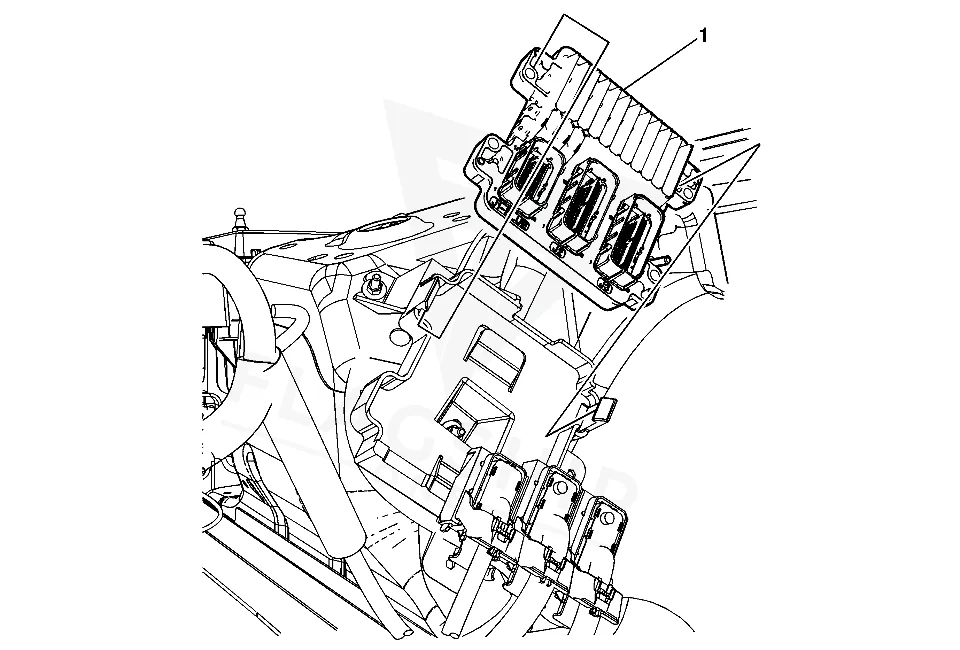
Work with the ignition off, and treat the module as static-sensitive: avoid touching the connector pins at any point.
| Operation | Configuration | Book Time |
|---|---|---|
| Engine Control Module R&R | All configurations | 3.7 hr |
| Engine Control Module Relearn | All configurations | 0.5 hr |
| Powertrain Control Module R&R | 3.0L | 3.7 hr |
| Powertrain Control Module R&R | 3.6L | 3.7 hr |
| Powertrain Control Module R&R | 6.2L | 0.6 hr |
2011 Cadillac CTS-V
OEM programmed ECM for your 2011 Cadillac CTS-V — plug & play, no dealer visit.
Free shipping · Lifetime warranty
After replacing the ECM in your 2011 Cadillac CTS-V, the factory procedure requires capturing the original module’s data before removal and reprogramming the new unit to match the vehicle’s VIN. This process demands specialized equipment and the correct calibration files to ensure compatibility. However, a VIN-programmed replacement unit arrives ready to install, bypassing the need for on-site reprogramming. This not only saves time but also reduces the risk of programming errors that could lead to further drivability issues or fault codes.
A failing ECM in your 2011 Cadillac CTS-V may cause a range of symptoms, including intermittent stalling, rough idling, or a no-start condition. You might also notice poor throttle response, reduced fuel economy, or the illumination of the check engine light. In some cases, the vehicle may enter a limp-home mode, limiting power to prevent further damage. Internal fault codes like internal control module memory checksum error often appear during a scan, indicating a potential hardware or software issue within the module itself. Addressing these symptoms promptly can prevent more severe drivability problems down the road.
The 2011 Cadillac CTS-V ECM is associated with several internal trouble codes that may appear when the module malfunctions. These codes typically indicate hardware failures, memory corruption, or communication issues within the control unit.
Factory service bulletin #11083, issued in April 2011, addresses an oil life monitor reprogramming update for inventory and customer vehicles. This bulletin recommends updating the ECM software to ensure accurate oil life tracking and prevent premature maintenance warnings. While not directly related to ECM failure, following such updates can help maintain optimal vehicle performance and avoid unnecessary diagnostic confusion.
| Bulletin | Subject | What It Addresses |
|---|---|---|
| — | Service Update for Inventory and Customer Vehicles-Oil Life Monitor-Reprogram ECM – (Apr 13, 20 | — |
The ECM relearn procedure ensures the new module synchronizes with the vehicle’s sensors and systems. This step is necessary to restore proper engine performance, fuel efficiency, and emissions compliance. Skipping it may result in drivability issues or fault codes.
While the vehicle may still run, driving with a P0601 code is not recommended. This code indicates an internal ECM issue that could lead to stalling, poor performance, or even a no-start condition. Addressing it promptly can prevent further damage or inconvenience.
In your vehicle, the ECM (engine control module) specifically manages engine functions like fuel injection and ignition timing. The PCM (powertrain control module) is a broader term that may include transmission control in some vehicles, but in the CTS-V, the ECM handles engine-specific tasks.
If your 2011 Cadillac CTS-V requires an ECM replacement, you have options. A dealership repair will include factory programming but may come at a higher cost. Alternatively, a refurbished or new replacement unit designed for your vehicle can provide a cost-effective solution without sacrificing quality. Consider the labor time, programming requirements, and potential downtime when deciding the best approach for your situation.
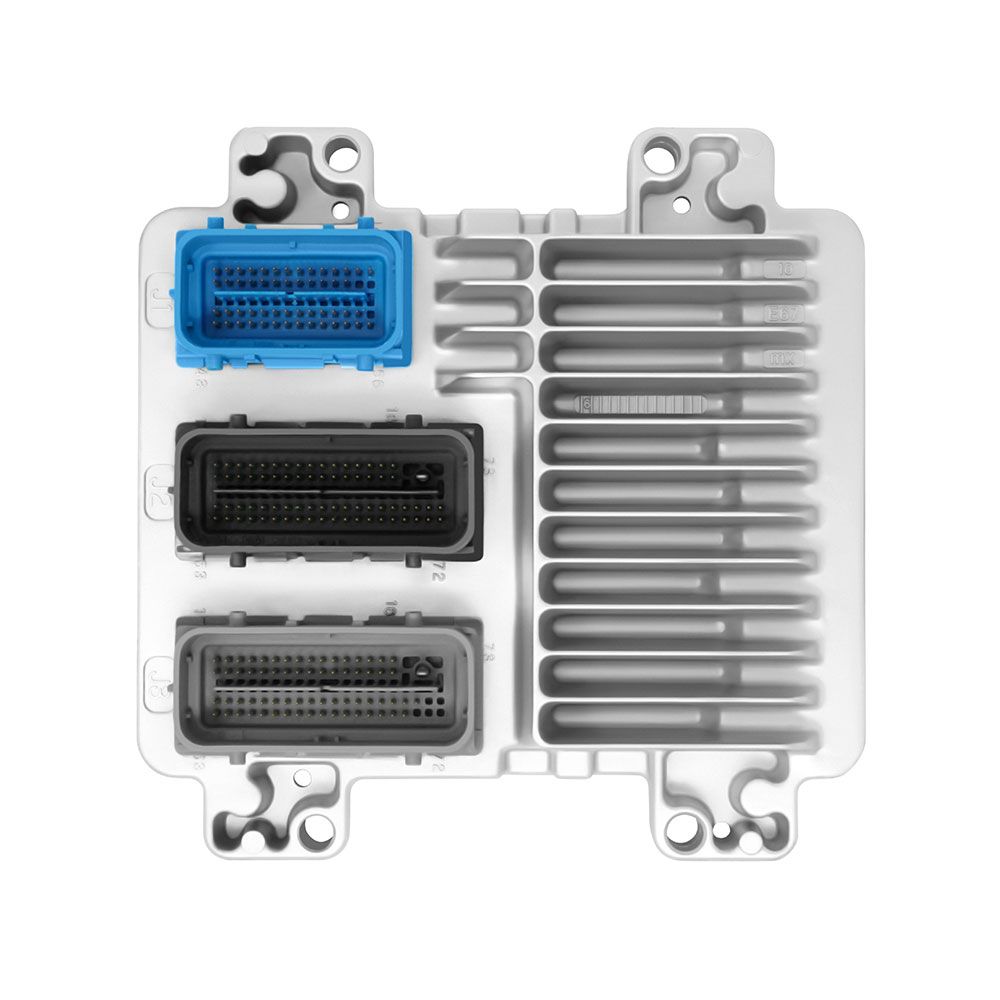
Flagship One stocks a refurbished, VIN-programmed PCM for the 2011 Cadillac CTS-V with a lifetime warranty, free shipping and no core charge. The full Cadillac CTS-V module lineup covers other engine configurations as well.
The 2011 Cadillac CTS-V relies on its ECM to deliver smooth, efficient performance. If you’re experiencing drivability issues or internal fault codes, replacing the module may be the solution. Understanding the process, labor requirements, and programming steps can help you make an informed decision. Whether you opt for a dealership repair or a replacement unit, addressing ECM issues promptly ensures your vehicle remains reliable and responsive.