
Last updated on August 25th, 2026 at 12:23 pm
The engine control module (ECM) in your 2007 Cadillac CTS-V manages fuel injection, ignition timing, and emissions systems for the 6.0L V8. Failures may cause drivability issues, poor performance, or complete engine shutdown due to corrupted data or electrical faults.
If your 2007 Cadillac CTS-V is experiencing unexplained stalling, rough idle, or a refusal to start, the engine control module (ECM) may be the culprit. This compact computer, mounted near the engine bay, oversees everything from fuel delivery to ignition timing, ensuring your 6.0L V8 runs smoothly. When it fails, symptoms can range from subtle performance hiccups to complete engine shutdown. Replacing the ECM isn’t just about swapping a part—it involves careful data transfer, precise installation, and often, a relearn procedure to sync the new module with your vehicle’s systems. Understanding these steps helps you avoid unnecessary delays and ensures your CTS-V returns to its high-performance capabilities. Whether you’re diagnosing a persistent trouble code or preparing for a replacement, knowing what to expect can save time and frustration.
The engine control module (ECM) in your 2007 Cadillac CTS-V is the brain behind the 6.0L V8’s operation. It continuously monitors sensors for engine speed, air intake, and exhaust conditions, adjusting fuel injection and ignition timing in real time. This ensures optimal power delivery, fuel efficiency, and emissions compliance. Without a functioning ECM, your vehicle may struggle to start, run erratically, or even enter a fail-safe mode that limits performance. The module also stores adaptive learning data, such as fuel trim adjustments, which must be preserved during replacement. If you’re considering replacement engine computers for the CTS-V, it’s important to note that the factory requires this data to be transferred to avoid drivability issues after installation. The ECM’s role is especially critical in high-performance applications like the CTS-V, where precise engine management directly impacts throttle response and power output.
In the 2007 Cadillac CTS-V, the engine control module (ECM) is located in the engine compartment, typically mounted on the driver’s side near the firewall. Replacing it involves disconnecting the battery, removing the body-side connector, and ensuring no voltage is present at the ECM fuse to prevent electrical damage. The labor time for ECM removal and replacement is 1.4 hours, according to factory estimates. Before removal, the factory cautions against touching the connector pins to avoid electrostatic discharge, which could damage the module. Once the old ECM is removed, the new unit must be installed in the same location, with care taken to secure the connector and restore any captured data. The process is straightforward but requires attention to detail to avoid introducing new issues.
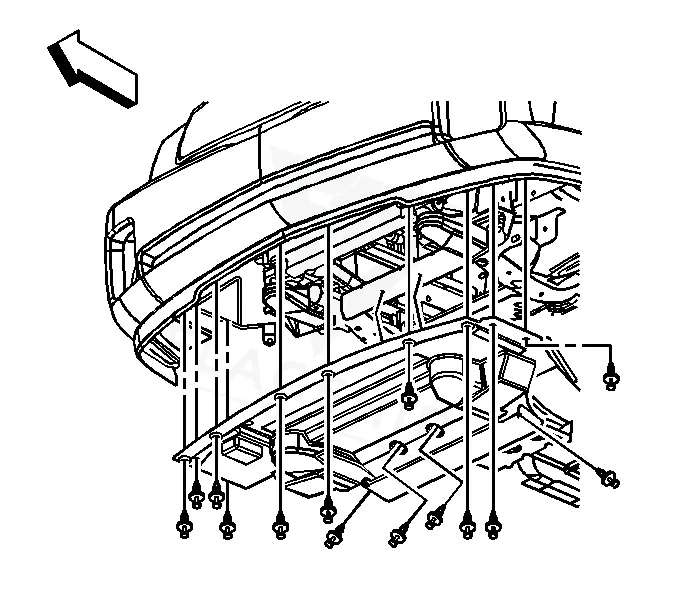
Work with the ignition off, and treat the module as static-sensitive: avoid touching the connector pins at any point.
| Operation | Configuration | Book Time |
|---|---|---|
| Powertrain Control Module R&R | 2.8L | 0.6 hr |
| Powertrain Control Module R&R | 3.6L | 0.6 hr |
| Powertrain Control Module R&R | 6.0L | 1.4 hr |
| Powertrain Control Module Relearn | All configurations | 0.5 hr |
| Engine Control Module R&R | 2.8L | 2.9 hr |
| Engine Control Module R&R | 3.6L | 2.9 hr |
| Engine Control Module R&R | 6.0L | 1.4 hr |
| Engine Control Module Relearn | All configurations | 0.5 hr |
2007 Cadillac CTS-V
OEM programmed ECM for your 2007 Cadillac CTS-V — plug & play, no dealer visit.
Free shipping · Lifetime warranty
After replacing the engine control module (ECM) in your 2007 Cadillac CTS-V, the factory procedure requires capturing the original ECM’s data using a scan tool and restoring it to the new unit. This step ensures that adaptive learning values, such as fuel trim and ignition timing adjustments, are preserved. Additionally, a 0.5-hour relearn procedure is typically needed to synchronize the new ECM with the vehicle’s systems. However, if you opt for a VIN-programmed replacement unit, these steps are already completed before the module arrives. This eliminates the need for post-install programming, saving time and reducing the risk of errors during the process. The factory also emphasizes verifying the absence of main relay circuit voltage before removal to prevent damage, a precaution that remains important regardless of the replacement method.
When the engine control module (ECM) in your 2007 Cadillac CTS-V begins to fail, symptoms often start subtly but can escalate quickly. You may notice the engine stalling unexpectedly, especially at idle or during deceleration, or experiencing rough running conditions that feel like misfires. A no-start condition is another common sign, where the engine cranks but refuses to fire, often accompanied by a lack of fuel pump activation or spark. The vehicle may also enter a fail-safe mode, limiting power and triggering the check engine light. On a scan tool, you might see module-internal trouble codes like internal control module memory checksum error, which indicates corrupted data within the ECM. Other symptoms include erratic shifting in automatic transmissions, poor throttle response, or even complete loss of communication with the ECM during diagnostics. These issues can mimic other problems, such as fuel pump or ignition system failures, so proper diagnosis is key to avoiding unnecessary repairs.
The codes below point to the PCM itself rather than to a sensor or circuit it monitors. Each one links through to its full diagnostic guide.
Factory service bulletin #10287C addresses premature timing chain wear in the 2007 Cadillac CTS-V by recommending a reprogramming of the engine control module (ECM). This update adjusts the engine’s operating parameters to reduce stress on the timing chain, potentially extending its lifespan. While not directly related to ECM failure, this bulletin highlights the importance of keeping the module’s software up to date to prevent secondary issues. If your CTS-V is experiencing timing-related symptoms, such as rattling noises from the engine or stored timing codes, this reprogramming may be a worthwhile step before considering more invasive repairs.
| Bulletin | Subject | What It Addresses |
|---|---|---|
| — | Customer Satisfaction – Premature Timing Chain Wear-Reprogram Engine Control Module – (Apr 13, | — |
Stalling at idle, especially after the vehicle has sat for several hours, may indicate an ECM issue. The module controls idle air control and fuel delivery, and if its memory or processing is corrupted, it may fail to maintain a stable idle. A scan tool can help determine if module-internal codes, such as P0603 or P0606, are present. If so, replacing the ECM may resolve the issue.
While the physical replacement of the ECM is straightforward, the process requires capturing and restoring the original module’s data, which involves using a scan tool. If you’re not comfortable with this step or lack the necessary equipment, it’s best to have a professional handle the replacement. Additionally, the factory cautions against electrostatic discharge, which can damage the new module if proper precautions aren’t taken.
In the 2007 Cadillac CTS-V, the engine control module (ECM) and powertrain control module (PCM) are often used interchangeably, but they serve slightly different functions. The ECM primarily manages engine-related operations, such as fuel injection and ignition timing, while the PCM may also oversee transmission functions in some vehicles. For your CTS-V, the terms are functionally equivalent, and replacement procedures are the same for both.
Distinguishing between an ECM failure and a sensor issue can be challenging, as both may produce similar symptoms. Start by checking for module-internal trouble codes, such as P0601 or P0604, which directly indicate ECM problems. If no such codes are present, focus on sensor-related codes or perform a visual inspection of wiring and connectors. A professional diagnostic tool can also help isolate the issue by testing sensor signals and ECM responses.
A used ECM from another 2007 Cadillac CTS-V may physically fit, but it will not function correctly without reprogramming. The module contains vehicle-specific data, including VIN information and adaptive learning values, which must be updated to match your vehicle. Without this step, the used ECM may cause drivability issues or fail to communicate with other systems. A VIN-programmed replacement unit is the most reliable option to avoid these complications.
If your 2007 Cadillac CTS-V is showing signs of ECM failure, you have a few options to consider. A repair may be possible if the issue is limited to a specific circuit or connector, but this is often a temporary fix. For a long-term solution, replacing the ECM with a new or refurbished unit is the most reliable choice. Given the labor involved and the importance of proper programming, opting for a VIN-programmed replacement can save time and ensure your vehicle runs as intended without additional relearn procedures.
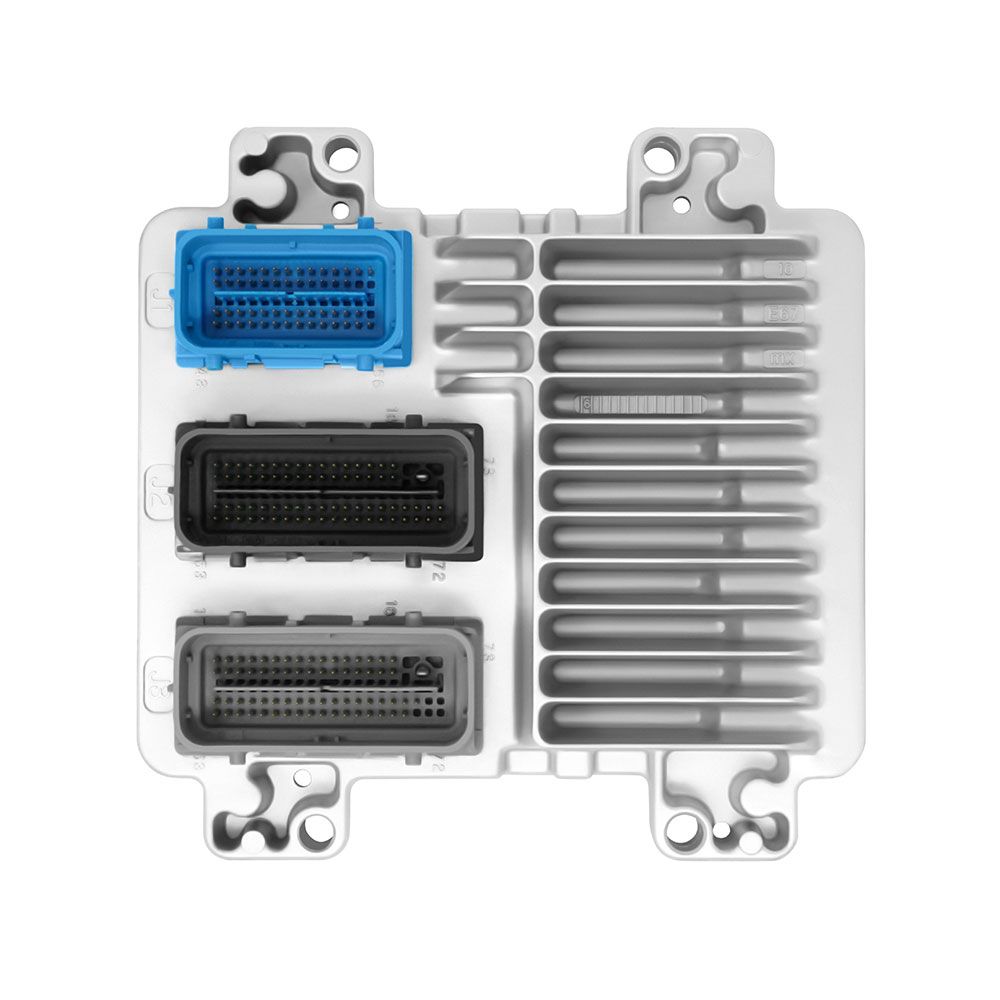
Flagship One stocks a refurbished, VIN-programmed PCM for the 2007 Cadillac CTS-V with a lifetime warranty, free shipping and no core charge. The full Cadillac CTS-V module lineup covers other engine configurations as well.
The engine control module in your 2007 Cadillac CTS-V plays a critical role in maintaining the performance and drivability of your high-performance sedan. Whether you’re dealing with stalling, no-start conditions, or persistent trouble codes, understanding the ECM’s function and replacement process can help you make informed decisions. If replacement is necessary, choosing a pre-programmed unit ensures a smooth installation and gets your CTS-V back on the road with minimal downtime.